


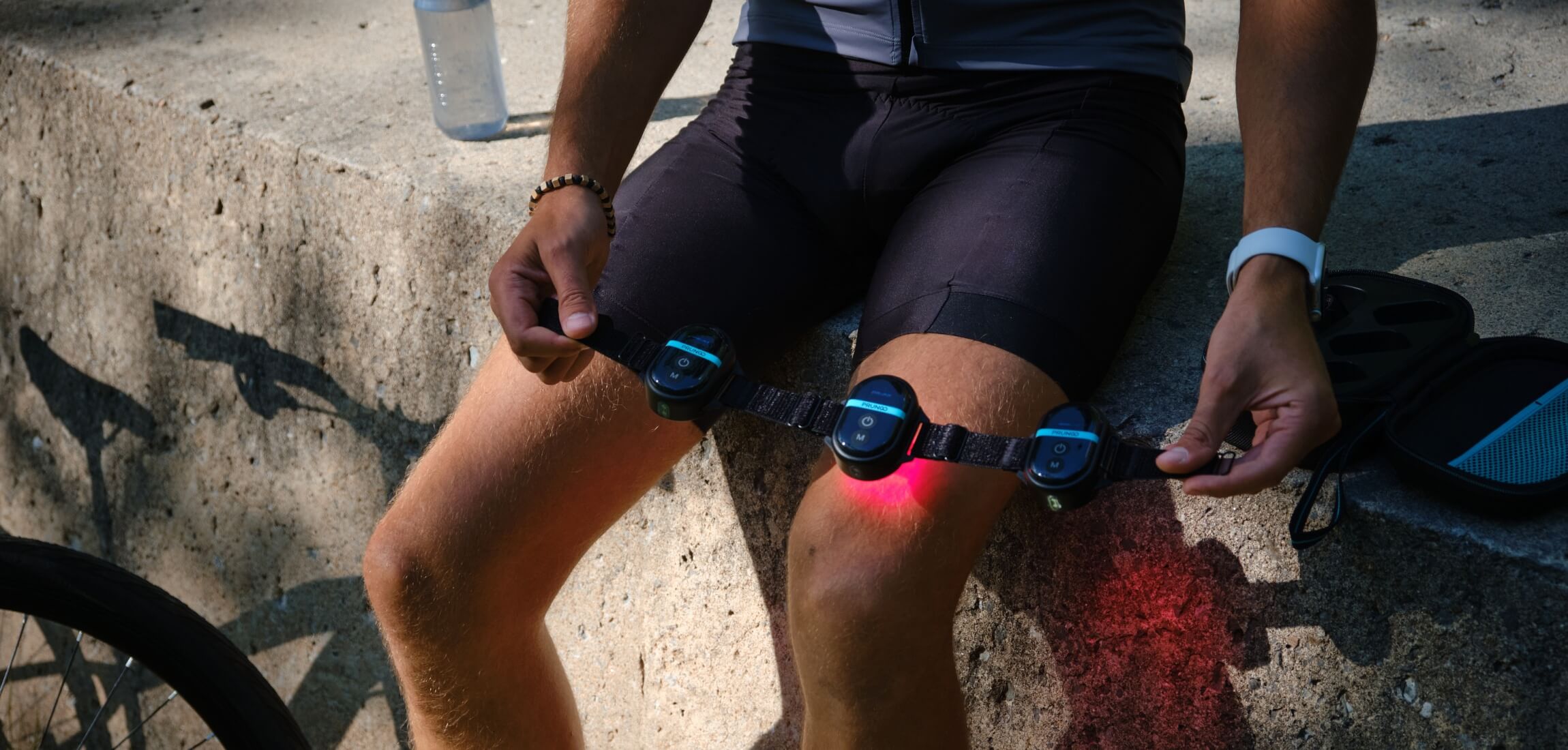
Supraspinatus tendinitis, a common shoulder injury, can lead to debilitating pain and limited mobility. Whether you're an athlete or someone who suffers from chronic shoulder pain, the search for effective treatments is crucial. Low-power laser therapy, also known as red light therapy, has gained attention for its ability to alleviate pain and promote healing. This article explores how medical-grade red light therapy devices, such as the PRUNGO FluxGo and PRUNGO FluxGo Lite, can unlock the healing power of red light therapy at home, offering a practical, FDA-approved solution for supraspinatus tendinitis.
What is Supraspinatus Tendinitis
Understanding the Role of the Supraspinatus Tendon
The supraspinatus is one of the four rotator cuff muscles that help stabilize your shoulder. It is responsible for lifting your arm and allowing you to rotate it. When this tendon becomes inflamed, typically due to overuse or injury, it leads to supraspinatus tendinitis. This condition can cause significant discomfort, limited movement, and stiffness in the shoulder.
Common Causes and Symptoms of Supraspinatus Tendinitis
Supraspinatus tendinitis is often caused by repetitive overhead activities, such as lifting or throwing, which put strain on the shoulder. The pain associated with this condition typically starts as a dull ache in the shoulder, especially when reaching overhead or during physical activity. Over time, the pain may intensify and become more chronic.
Traditional Treatment Methods for Supraspinatus Tendinitis
Traditional treatments for supraspinatus tendinitis often include physical therapy, rest, ice, and anti-inflammatory medications. However, these methods can take time to show results, and they may not provide complete relief. For some, surgery might be considered if the condition doesn't improve with conservative treatments.
How Low-Power Laser Therapy Works for Tendinitis
The Science Behind Low-Power Laser Therapy
Low-power laser therapy, also known as red light therapy, uses specific wavelengths of light to penetrate deep into the skin and tissues. The light stimulates cellular activity, promoting increased circulation and the release of endorphins. This process helps reduce inflammation and accelerate healing. By using red light therapy devices, individuals can encourage tissue repair and reduce pain in the affected area.
How Red Light Therapy Promotes Healing
Red light therapy works by stimulating mitochondria, the powerhouse of cells. This encourages the production of adenosine triphosphate (ATP), which provides energy for the body's healing processes. The increased energy helps cells regenerate, leading to faster recovery and improved tissue repair in the injured supraspinatus tendon.
Key Benefits of Low-Power Laser Therapy for Supraspinatus Tendinitis
For individuals suffering from supraspinatus tendinitis, red light therapy offers several benefits. It helps reduce pain and inflammation, promotes faster healing of the tendon, and enhances tissue regeneration. With consistent use of red light therapy, many people experience improved shoulder mobility and less reliance on pain medication.
Why Choose Medical-Grade Red Light Therapy Devices
Difference Between Consumer-Grade and Medical-Grade Devices
Consumer-grade red light therapy devices are typically less powerful than medical-grade options and may not penetrate deep enough to address serious injuries like supraspinatus tendinitis. Medical-grade devices, on the other hand, are specifically designed to deliver higher doses of light and are backed by scientific research, ensuring more effective treatment for pain and inflammation.
The Power of FDA-Approved Devices
FDA-approved red light therapy devices are clinically tested and proven to be safe and effective. These devices have undergone rigorous testing to meet FDA standards, giving you peace of mind when using them at home. Whether you're using a red light therapy panel or a red light therapy mask, FDA approval ensures that the device will provide therapeutic benefits without compromising your safety.
Safety and Efficacy of Medical-Grade Red Light Therapy Devices
Medical-grade red light therapy devices, such as the PRUNGO FluxGo and PRUNGO FluxGo Lite, are designed to provide optimal results in a safe manner. These devices are specifically built for therapeutic use, ensuring you receive the right intensity and wavelength to achieve maximum benefits. Additionally, using portable red light therapy devices offers the convenience of treatment in the comfort of your own home.
Step-by-Step Guide: How to Use Red Light Therapy for Supraspinatus Tendinitis
Preparing for Your Red Light Therapy Session
Before beginning your red light therapy treatment, it's important to clean the affected area to ensure better light penetration. Wear comfortable clothing and make sure you have access to a power source if you're using a portable red light therapy device. Set up the device according to the manufacturer’s instructions, ensuring the light is directed at the area of your shoulder where you experience the most pain.
Best Practices for Targeting the Supraspinatus Area
When using a red light therapy machine, place it directly over the shoulder and target the supraspinatus tendon. Hold the device in place for the recommended amount of time, typically between 5-15 minutes. For maximum effectiveness, ensure the light is consistently positioned over the tendon, allowing for optimal absorption.
Frequency and Duration of Treatment
To achieve the best results, it's important to follow a consistent treatment schedule. Generally, using a red light therapy device 3-5 times a week is recommended for the first few weeks. Each session should last between 10 and 20 minutes, depending on the device. With regular use, you’ll start noticing pain relief and improved mobility.
Success Stories: Real-World Results of Low-Power Laser Therapy
Case Study 1: Quick Recovery from Shoulder Pain
Many users of red light therapy have reported faster recovery times for shoulder injuries like supraspinatus tendinitis. A common benefit mentioned is a reduction in pain and inflammation within just a few weeks of consistent use. This therapy provides a non-invasive alternative to traditional methods, allowing patients to resume daily activities faster.
Case Study 2: Long-Term Relief from Tendinitis Symptoms
Long-term use of medical-grade red light therapy devices has led to sustained relief for many individuals. Red light therapy not only addresses pain in the short term but also helps to prevent re-injury by promoting tissue healing and improving muscle strength in the shoulder area.
Patient Testimonials: How Red Light Therapy Changed Their Lives
Patients using red light therapy devices like the PRUNGO FluxGo have shared their positive experiences, praising the ease of use and significant pain reduction. Many users appreciate the ability to perform red light therapy at home, eliminating the need for frequent visits to a clinic.
Potential Side Effects and Risks of Low-Power Laser Therapy
Are There Any Known Side Effects
Red light therapy is generally considered safe with few side effects. However, some individuals may experience mild skin irritation or discomfort after a session. If any adverse reactions occur, it is important to consult with a healthcare provider.
Understanding the Safety of Red Light Therapy
When used correctly, red light therapy devices are safe and effective. FDA-approved red light therapy devices for pain are designed to minimize any potential risks. Always follow the manufacturer’s guidelines to ensure proper usage and avoid overstimulation of the treated area.
How to Minimize Risks During Treatment
To minimize any risks during red light therapy treatment, be sure to follow the recommended guidelines for session length and frequency. Start with shorter sessions and gradually increase duration as your body adjusts. Never use the device near your eyes, and ensure proper skin coverage to protect from any irritation.
Can Low-Power Laser Therapy Replace Surgery or Other Treatments
Comparing Laser Therapy to Invasive Surgical Options
Low-power laser therapy offers a non-invasive alternative to surgery for those with supraspinatus tendinitis. While surgery may be necessary in severe cases, red light therapy provides an effective option for many individuals who want to avoid the risks and recovery time associated with surgery.
When Is Low-Power Laser Therapy Most Effective
Red light therapy is most effective when used early in the treatment process. If the condition is caught early, it can reduce the need for more aggressive treatments like injections or surgery. This therapy can also be used in conjunction with other methods to enhance healing.
Combining Laser Therapy with Other Forms of Rehabilitation
For optimal results, red light therapy can be combined with physical therapy and exercises that strengthen the shoulder. This combination helps to address both the pain and underlying causes of tendinitis, improving the long-term function of the shoulder.
Conclusion
Low-power laser therapy, or red light therapy, is a powerful tool in the treatment of supraspinatus tendinitis. By using medical-grade red light therapy devices, such as the PRUNGO FluxGo and PRUNGO FluxGo Lite, you can experience significant pain relief, improved mobility, and faster healing—all from the comfort of your home. FDA-approved devices ensure safety and efficacy, making this treatment a reliable solution for managing shoulder pain. Whether you're looking for a red light therapy panel for targeted treatment or a portable red light therapy device for full-body use, incorporating red light therapy into your daily routine can be a transformative experience. Try PRUNGO's red light therapy devices today to unlock the full potential of healing.
Share:
Improving Chronic Wound Healing with LED Phototherapy
Understanding the Efficacy of Low-Power Helium-Neon Laser Therapy for Chronic Pain Relief