

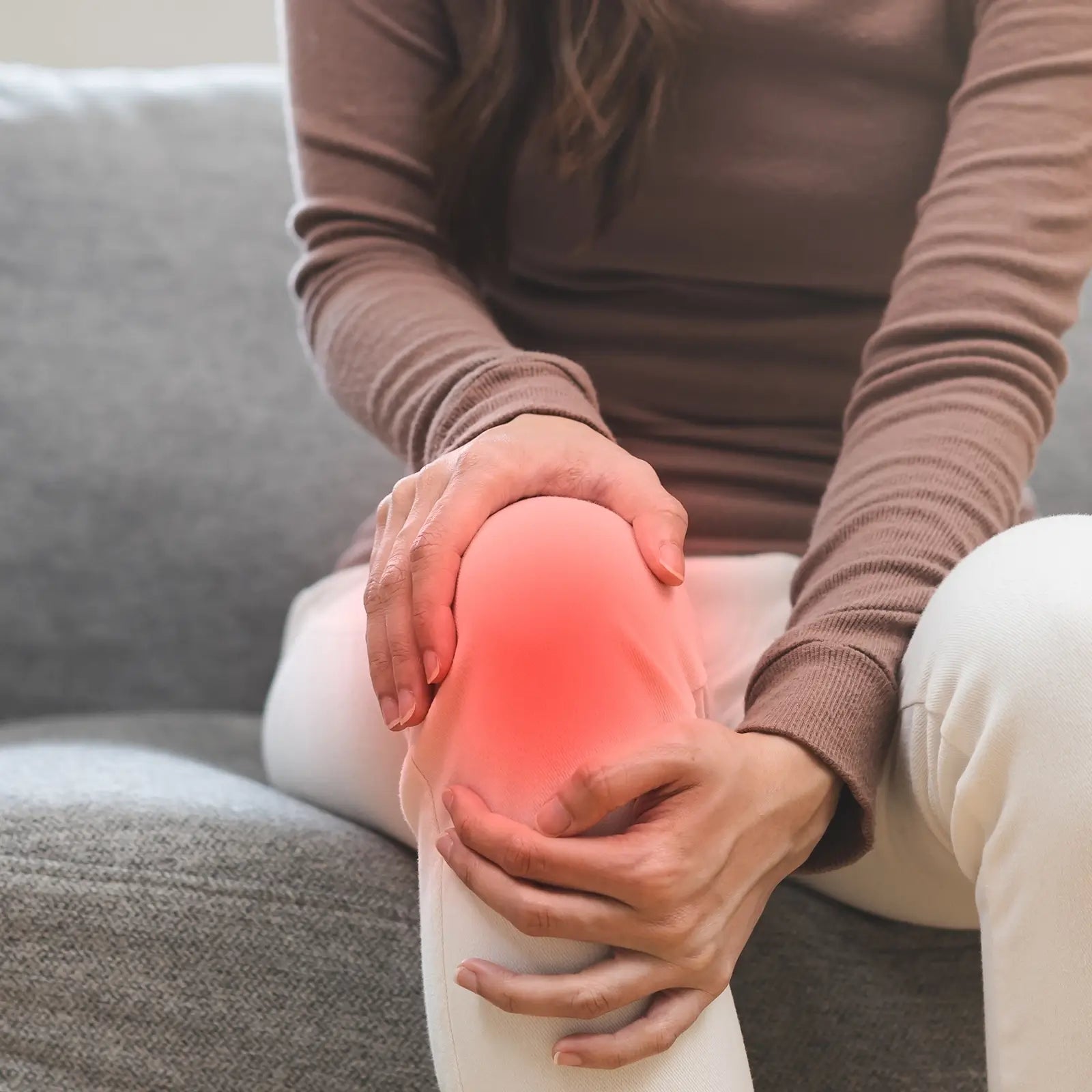
Low-power helium-neon laser therapy is a promising, non-invasive treatment option for chronic pain. It has gained popularity due to its ability to promote healing and alleviate discomfort. As technology improves, medical-grade red light therapy devices are making it easier than ever to access this type of therapy at home. In this article, we will explore the effectiveness of low-power helium-neon laser therapy for chronic pain relief, how red light therapy devices work, and how you can use them to manage pain on your own.
Mechanisms Behind Low-Power Helium-Neon Laser Therapy
How Laser Therapy Works
Low-power helium-neon laser therapy works through photobiomodulation (PBM), which is the process of using light to trigger biological changes in cells. When the laser light interacts with the cells, it stimulates the mitochondria, the powerhouse of the cell, which can improve cellular energy production. This process helps reduce pain and inflammation, speeding up recovery.
Cellular Effects of Laser Therapy
Laser therapy targets both superficial and deeper tissues. The light penetrates through the skin and is absorbed by cells, promoting better blood circulation and reducing swelling. This can lead to faster healing and less pain, making it particularly effective for conditions like muscle injuries and joint pain.
Benefits of Low-Power Lasers
Low-power lasers have a high safety profile and are a gentle option for pain relief. These lasers do not heat the tissues but stimulate them, which avoids the risk of burning or irritation. The result is a pain-relieving, healing effect that makes it suitable for long-term use without significant side effects.
Efficacy of Low-Power Helium-Neon Laser Therapy for Chronic Pain
What Conditions Can It Treat?
Low-power helium-neon laser therapy is effective for treating a variety of chronic pain conditions, such as arthritis, back pain, and fibromyalgia. By reducing inflammation and promoting tissue repair, this therapy can provide long-lasting relief without the need for invasive procedures or medications.
Treatment Duration and Frequency
The duration and frequency of treatment can vary depending on the condition being treated. Typically, sessions last between 10-20 minutes, with some users experiencing relief after just a few treatments. For optimal results, regular sessions may be needed, and many people benefit from daily or weekly treatments.
Patient Experience and Testimonials
Patients report experiencing a noticeable reduction in pain and improvement in mobility after using low-power helium-neon laser therapy. Many find that using medical-grade red light therapy devices at home allows them to manage their pain independently, which improves their quality of life and reduces their reliance on prescription medications.
Medical-Grade Red Light Therapy Devices in Pain Management
Differences Between Home Use and Professional Devices
Medical-grade red light therapy devices are designed for more powerful and targeted treatment compared to typical home-use devices. While both can be effective, professional-grade machines deliver deeper penetration and more focused light. If you're looking for consistent results, investing in an FDA-approved red light therapy machine is highly recommended.
FDA Approval and Safety Considerations
FDA approval ensures that the red light therapy devices meet rigorous safety standards. When choosing a device for home use, make sure to select one that is FDA-approved for pain relief. This guarantees that the device is effective, safe to use, and suitable for treating conditions like joint pain, muscle soreness, and chronic pain.
Choosing the Right Device for Your Needs
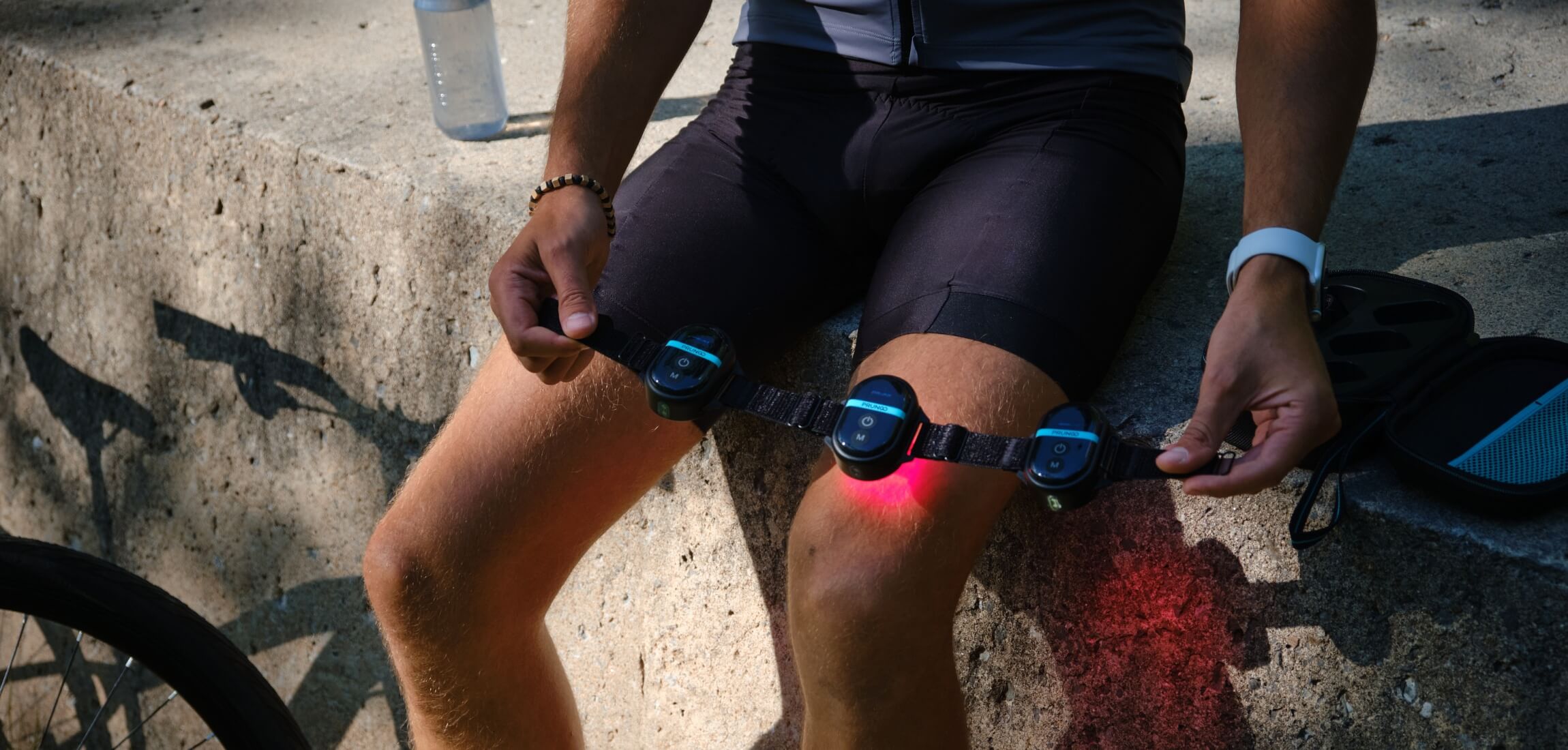
When selecting a red light therapy device for pain, consider factors like intensity, ease of use, and whether it is FDA-approved. Devices like the PRUNGO FluxGo and PRUNGO FluxGo Lite offer portable, medical-grade options that are perfect for treating pain at home. Whether you're using a red light therapy panel or red light therapy mask, choosing the right product can maximize your pain relief experience.
Advantages of Using Low-Power Helium-Neon Laser Therapy
Non-Invasive Nature of the Treatment
One of the main benefits of low-power helium-neon laser therapy is that it is non-invasive. Unlike surgery or injections, this form of therapy doesn't involve cutting the skin or injecting substances into the body, which reduces the risks associated with more aggressive treatments. This makes it a safe option for chronic pain management.
Minimal Side Effects
Low-power laser therapy is known for its minimal side effects. Most users only experience mild sensations, such as warmth or tingling during treatment. There’s no need for recovery time, and the risk of complications is very low compared to other treatment options, making it an attractive choice for those looking for natural, effective pain relief.
Cost-Effectiveness
Over time, using a red light therapy machine at home can be more cost-effective than regular visits to a clinic for professional treatments. Devices like the PRUNGO FluxGo and FluxGo Lite offer a one-time investment that can be used regularly, saving you money on ongoing therapy sessions while delivering lasting relief.
Scientific Studies Supporting the Use of Laser Therapy for Chronic Pain
Research Findings
Research has shown that low-power helium-neon laser therapy effectively reduces pain, inflammation, and muscle stiffness. Studies support the idea that red light therapy can increase circulation, reduce oxidative stress, and improve tissue healing, making it a promising option for those with chronic pain conditions.
Comparisons With Other Pain Management Techniques
When compared to traditional pain management techniques, such as medications or physical therapy, laser therapy stands out due to its non-invasive nature and minimal side effects. Many users find it an appealing alternative or complement to prescription drugs, particularly for long-term pain relief.
Long-Term Effects
The long-term effects of low-power laser therapy show promising results. Many individuals report sustained relief from chronic pain after consistent use. Additionally, the therapy helps to reduce the likelihood of future pain flare-ups by promoting long-term tissue health and recovery.
How to Incorporate Laser Therapy Into Your Pain Management Routine
Consultation with Healthcare Providers
Before starting any new pain management treatment, including laser therapy, it's essential to consult with a healthcare provider. They can help guide you on the best treatment plan based on your specific needs and conditions, ensuring that red light therapy is a safe and effective option for you.
At-Home Use and Device Setup
Using a red light therapy device at home is simple. Set up your device in a quiet, comfortable space, and follow the manufacturer’s guidelines for usage. Whether you’re using a portable red light therapy device or a full-body panel, consistency is key for the best results.
Safety Tips for Home Use
While low-power laser therapy is generally safe, it’s important to follow all safety instructions. Avoid direct eye exposure to the light, and use the device only as directed. Regular use, combined with proper precautions, will help maximize the benefits and minimize any risks.
The Future of Low-Power Laser Therapy for Chronic Pain
Innovations in Laser Therapy Technology
As technology continues to advance, we can expect even more powerful and effective red light therapy devices. Future innovations may include enhanced portability, increased light penetration, and more precise targeting for pain relief, offering even greater benefits for chronic pain sufferers.
Broader Applications for Pain Management
Low-power laser therapy is not only effective for chronic pain but could also be applied to a wider range of conditions in the future. As research progresses, we may see laser therapy being used for various forms of tissue repair, joint regeneration, and even mental health conditions like depression.
Clinical Trends and Research Directions
Research into low-power laser therapy is expanding, and future clinical trials will likely explore new ways to optimize its use. We may also see broader adoption in medical practices, as more healthcare providers recognize its potential for pain management and healing.
Conclusion
Low-level helium-neon laser therapy is an effective and safe approach for managing chronic pain, offering advantages such as minimal side effects, a non-invasive treatment process, and long-term pain relief. With the advent of FDA-cleared red light therapy devices—such as the PRUNGO FluxGo and PRUNGO FluxGo Lite—individuals can now enjoy the benefits of this potent therapy from the comfort of their own homes, without ever having to step outside. Whether you opt for a red light therapy panel for full-body treatment or wear a red light therapy mask for targeted facial care, these medical-grade devices empower you to take control of your own pain management journey. For those seeking a natural, safe, and side-effect-free alternative for pain relief, red light therapy presents a highly promising solution; incorporating it into your daily wellness routine can significantly enhance your overall physical and mental well-being.
Share:
Unlocking the Power of Low-Power Laser Therapy for Supraspinatus Tendinitis
Who Should Use Red Light Therapy Products? A Comprehensive Guide