


Shoulder blade pain is a common problem that many people experience, and it can be caused by various factors such as muscle strain, poor posture, or even stress. While it's tempting to ignore the pain, it's important to address it early to avoid long-term discomfort. In this article, we will explore seven practical ways to relieve shoulder blade pain at home, including the use of medical-grade red light therapy devices, which have become increasingly popular for their healing benefits.
Understanding Shoulder Blade Pain
Common Causes of Shoulder Blade Pain
Shoulder blade pain can be caused by a variety of factors. It may arise from poor posture, long hours spent sitting at a desk, or muscle strain from lifting heavy objects. Sometimes, stress and tension can also cause tightness in the shoulders, leading to discomfort. Identifying the root cause is essential for choosing the right treatment.
The Importance of Early Treatment
Addressing shoulder blade pain early can prevent the condition from worsening and help avoid chronic pain. Ignoring the issue might lead to poor posture habits, which can result in long-term muscle imbalances and even joint problems. Early treatment can improve recovery time and restore mobility faster.
How Shoulder Blade Pain Affects Your Daily Life
Shoulder blade pain can make it difficult to perform everyday activities like driving, lifting groceries, or even sitting comfortably at your desk. It can interfere with your work, social life, and overall quality of life. This is why taking proactive steps to relieve the pain is crucial for maintaining your well-being.
The Power of Medical-Grade Red Light Therapy
How Red Light Therapy Works for Pain Relief
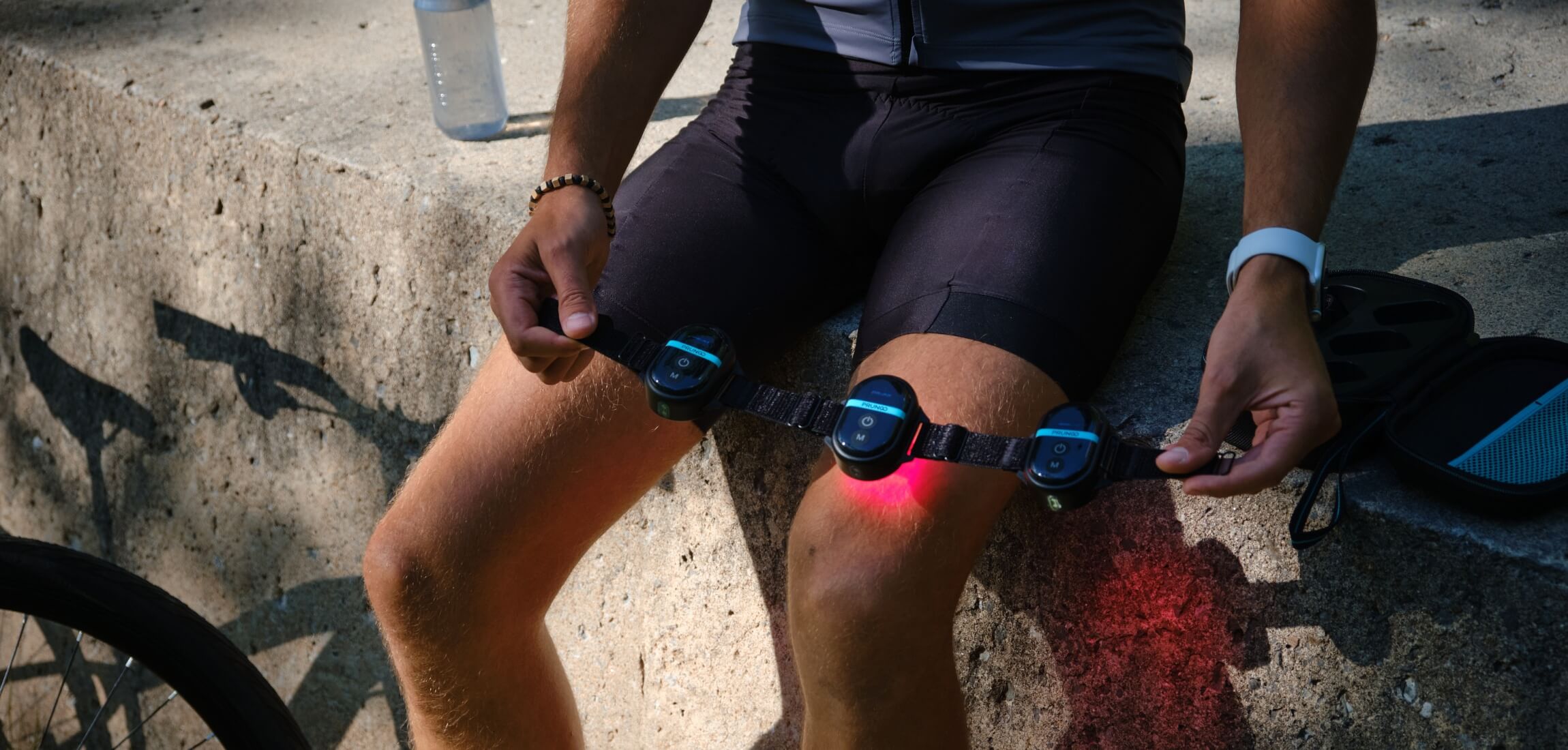
FDA approved red light therapy uses specific wavelengths of light to penetrate the skin and stimulate healing in muscles and tissues. The light encourages cell regeneration and promotes blood flow, which helps reduce inflammation and pain. Using medical-grade red light therapy devices - PRUNGO FluxGo can target the shoulder blade area, providing relief from muscle strain and stiffness.
Why You Should Choose Medical-Grade Devices
Medical-grade devices are designed with higher precision and intensity than over-the-counter options. These devices are tested for safety and effectiveness, ensuring they deliver the right amount of light to the affected areas. When you choose a quality device, you can expect better, faster results in managing shoulder blade pain.
Proven Benefits of Red Light Therapy for Muscular Pain
Red light therapy has been shown to provide significant benefits for muscle pain and inflammation. It accelerates tissue repair and helps relax tense muscles, making it an effective treatment for shoulder blade discomfort. Many users find it helpful for chronic pain or recovery after intense physical activity.
Stretching Exercises for Shoulder Blade Pain Relief
Seated Shoulder Stretch
One of the simplest stretches to relieve shoulder blade pain is the seated shoulder stretch. Sit up straight in a chair, clasp your hands together in front of you, and gently stretch your arms forward while rounding your back. Hold for 15–30 seconds, then repeat. This helps alleviate tightness in the shoulders and upper back.
Chest Opener Stretch
The chest opener stretch targets the muscles in the chest and shoulders. Stand with your feet shoulder-width apart and interlace your fingers behind your back. Straighten your arms and lift them slightly as you open your chest and pull your shoulders back. This stretch improves posture and relieves tension in the shoulder blade area.
Cross-Body Shoulder Stretch
The cross-body shoulder stretch is a great way to target both the shoulders and upper back. Bring one arm across your chest and use your other arm to gently pull it closer to your body. Hold for 15–30 seconds, and repeat on the other side. This stretch can help relieve tightness and improve flexibility in the shoulder area.
Strengthening Exercises to Prevent Shoulder Blade Pain
Shoulder Blade Squeeze
The shoulder blade squeeze is a simple exercise that strengthens the muscles between your shoulder blades. Sit or stand tall, then squeeze your shoulder blades together as if you're trying to pinch a pencil between them. Hold for a few seconds, then release. Perform this exercise 10–15 times to build strength and prevent pain.
Resistance Band Exercises for Shoulder Stability
Using a resistance band, you can perform exercises like rows or external rotations to strengthen the muscles around the shoulder blades. Secure the band to a door handle or other stable object, then pull the band toward your body while keeping your shoulders stable. These exercises promote better posture and help prevent shoulder pain.
Wall Push-Ups for Upper Back Strength
Wall push-ups are an excellent way to strengthen your upper back and shoulders. Stand a few feet away from a wall, place your hands against it, and slowly lower your body toward the wall while keeping your elbows at a 45-degree angle. Push back up to the starting position. Repeat this exercise 10–15 times.
Proper Posture for Shoulder Blade Pain Prevention
How Poor Posture Contributes to Shoulder Blade Pain
Slouching or sitting in one position for too long can strain the muscles around the shoulder blades, leading to discomfort. Poor posture puts extra pressure on the muscles, ligaments, and joints, making them more prone to pain and injury. By improving your posture, you can reduce the likelihood of shoulder blade pain.
Posture Correction Techniques
To improve your posture, focus on sitting up straight with your shoulders back and your ears aligned with your shoulders. If you spend long hours at a desk, take frequent breaks to stand up, stretch, and walk around. Using ergonomic chairs and supports can also help maintain a natural spinal curve and reduce strain on your shoulders.
The Role of Ergonomics in Posture
Ergonomics plays a critical role in maintaining good posture and preventing shoulder blade pain. Set up your workstation so that your computer screen is at eye level, your keyboard is at elbow height, and your chair supports your lower back. This will help keep your posture aligned and reduce the stress on your shoulders.
Heat and Cold Therapy for Immediate Relief
When to Use Heat Therapy
Heat therapy can be helpful when your shoulder blade pain is due to muscle stiffness or tension. Applying a warm compress or heating pad to the affected area can increase blood flow, relax muscles, and reduce pain. Use heat for 15–20 minutes at a time to experience the most relief.
Cold Therapy for Inflammation and Swelling
If your shoulder blade pain is caused by inflammation or swelling, cold therapy is more effective. Apply an ice pack wrapped in a cloth to the area for 10–15 minutes at a time. Cold therapy helps reduce inflammation and numbs the area, providing relief from sharp or acute pain.
Combining Heat and Cold for Maximum Relief
For optimal relief, consider alternating between heat and cold therapy. This can help reduce both inflammation and muscle tension. Start with cold therapy to reduce swelling, then follow up with heat to improve blood circulation and relax the muscles.
Mind-Body Techniques to Reduce Shoulder Blade Pain
Meditation for Pain Relief
Meditation and mindfulness can help reduce the perception of pain by promoting relaxation and mental clarity. Focus on deep breathing and being present in the moment. This can help reduce stress and ease the physical tension that contributes to shoulder blade pain.
Yoga for Shoulder Blade Tension
Yoga poses such as the child’s pose, cat-cow stretch, and downward dog can target the muscles around your shoulders and relieve tightness. These gentle movements improve flexibility and mobility in the upper body while promoting relaxation.
Progressive Muscle Relaxation
Progressive muscle relaxation involves tensing and releasing different muscle groups in your body. This technique helps reduce physical tension and promotes a sense of calm, which can be particularly helpful for relieving shoulder blade pain caused by stress or anxiety.
Conclusion
There are many ways to relieve scapular pain at home. Whether it's stretching exercises, improving posture, or using a medical-grade red light therapy device, consistent use can significantly improve your condition. If you're looking for a reliable solution, consider incorporating red light therapy into your daily life for better relief. If you need to treat a large area, you can choose to use a red light therapy panel, which is suitable for covering a larger treatment area. If your treatment focus is on the face, then a red light therapy mask would be a more suitable choice, as it is specifically designed for facial irradiation to help with precise treatment.
Share:
How do you relieve neck pain
Redefining Lower Back Pain Management with Portable Red Light Therapy