


Muscle recovery is a critical part of staying active and maintaining peak performance. Many athletes and fitness enthusiasts look for ways to reduce soreness and speed healing. Medical-grade red light therapy devices have emerged as a trusted tool, offering targeted light to support cellular repair and faster recovery after workouts.
Understanding Red Light Therapy and Muscle Recovery
What Is Red Light Therapy
FDA approved red light therapy uses specific wavelengths of red and near-infrared light to penetrate the skin and reach muscle tissues. This light stimulates cellular activity, improving energy production and supporting the natural repair processes in muscles. Using medical-grade red light therapy devices ensures the right intensity for effective results.
How Red Light Affects Muscle Cells
When muscles are exposed to red light, mitochondria—the cell’s powerhouses—absorb energy and produce ATP more efficiently. This helps cells repair damage faster, reducing fatigue and soreness. Proper use of medical-grade red light therapy devices maximizes these benefits for consistent recovery.
Medical-Grade Red Light Therapy Devices vs Consumer Devices
Not all devices are created equal. Medical-grade red light therapy devices provide stronger, consistent light output compared to consumer gadgets. This ensures deeper tissue penetration and reliable results, making them ideal for anyone serious about accelerating muscle recovery.
Common Myths About Red Light Therapy
Many assume red light therapy is a quick fix or works the same for everyone. While it’s not instant, regular use of medical-grade red light therapy devices supports the body’s natural repair processes safely. Understanding its limitations helps users set realistic expectations.
Scientific Evidence Supporting Red Light Therapy for Muscle Recovery
Studies on Exercise-Induced Muscle Damage
Research shows red light exposure can ease post-exercise discomfort and improve recovery speed. Medical-grade red light therapy devices provide consistent wavelength and intensity, making them effective for reducing soreness and supporting muscle repair.
Red Light Therapy and Inflammation Reduction
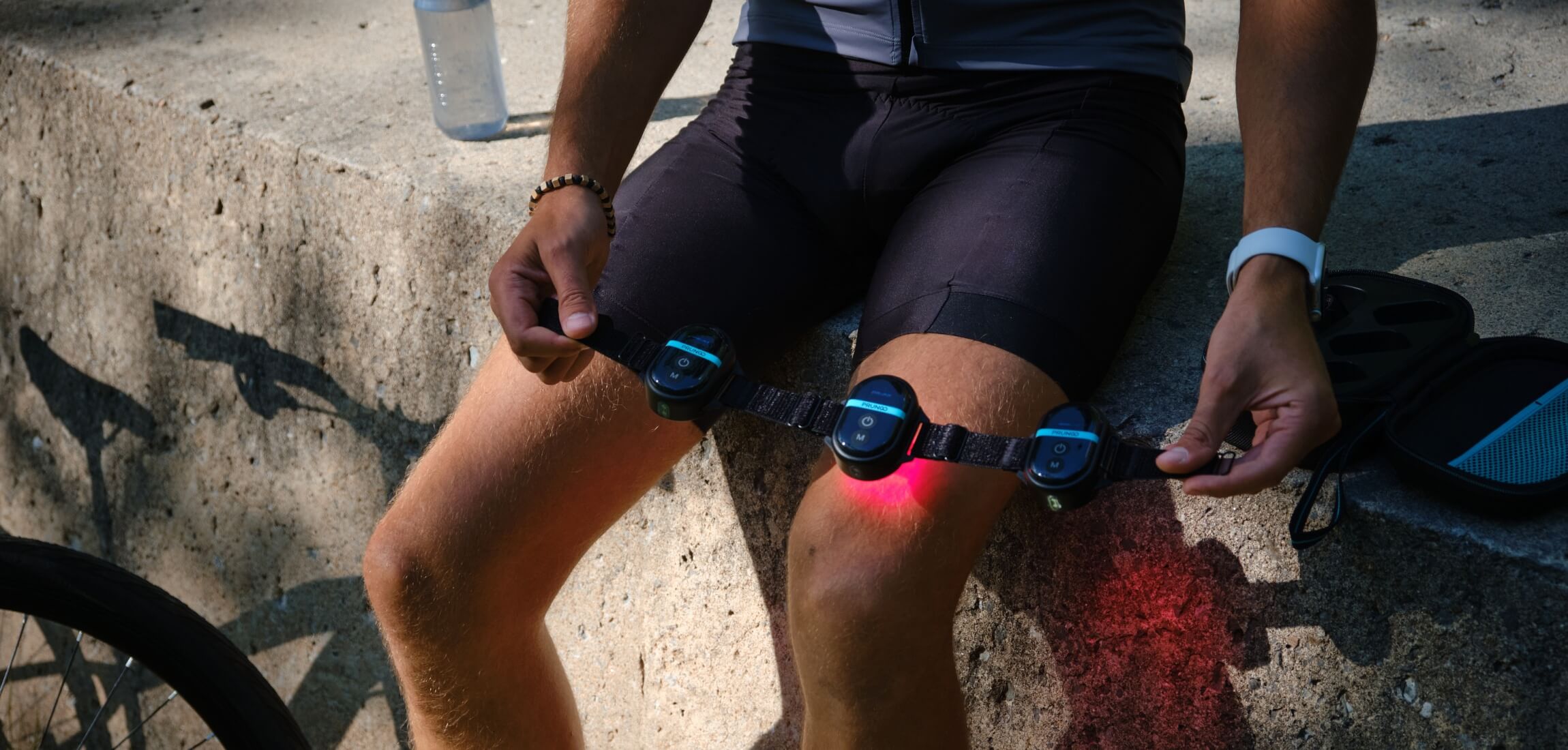
Red light penetrates muscle tissues to modulate inflammatory responses naturally. Using medical-grade red light therapy devices - PRUNGO FluxGo after intense exercise helps calm inflammation, allowing muscles to recover efficiently without unnecessary strain.
Enhanced Cellular Repair and Protein Synthesis
Red light stimulates protein synthesis and cellular repair processes within muscle fibers. Medical-grade red light therapy devices deliver targeted light that boosts these natural mechanisms, helping muscles rebuild faster after strenuous activity.
Comparing Red Light Therapy With Other Recovery Methods
While stretching or foam rolling helps temporarily, medical-grade red light therapy devices provide cellular-level support. Combining light therapy with traditional recovery methods can enhance results and make muscle healing more complete.
How to Use Medical-Grade Red Light Therapy Devices for Muscle Recovery
Recommended Treatment Duration and Frequency
For effective recovery, sessions usually last 10 to 20 minutes per area, several times per week. Regular use of medical-grade red light therapy devices ensures muscles receive enough energy to repair efficiently, supporting consistent performance improvements over time.
Target Areas for Optimal Recovery
Focus on sore or overworked muscles such as thighs, shoulders, or back. Medical-grade red light therapy devices allow precise targeting to deliver light where it’s most needed, helping accelerate recovery in specific muscle groups after exercise.
Pre-Workout vs Post-Workout Application
Using red light before workouts can enhance endurance, while post-workout sessions help repair micro-damage. Medical-grade red light therapy devices are versatile, providing benefits both before and after training to maximize muscle performance and recovery.
Device Safety and Precautions
Maintain safe distance from the device and protect eyes when necessary. Medical-grade red light therapy devices are designed for safe use, but following instructions ensures optimal results and avoids skin irritation during recovery sessions.
Benefits of Red Light Therapy Beyond Muscle Recovery
Pain Relief and Reduced Muscle Fatigue
Red light therapy naturally eases discomfort from overused muscles. Medical-grade red light therapy devices provide consistent light exposure that helps calm soreness, allowing faster return to training or daily activities without added strain.
Improved Circulation and Oxygen Delivery
Red light boosts blood flow, enhancing oxygen and nutrient delivery to muscle tissues. Regular use of medical-grade red light therapy devices ensures muscles receive what they need for faster recovery and improved overall performance.
Joint Support and Tendon Health
Red light penetrates deep tissues, supporting tendons and joints stressed by exercise. Medical-grade red light therapy devices complement muscle recovery by maintaining connective tissue health and reducing discomfort during movement.
Mental and Energy Boost Effects
Exposure to red light can improve mood and reduce fatigue. Using medical-grade red light therapy devices as part of a recovery routine helps restore energy levels, making workouts and daily activities feel easier and more sustainable.
Choosing the Right Medical-Grade Red Light Therapy Device
Wavelength and Power Output Considerations
Effective devices deliver red light between 600–850 nm. Medical-grade red light therapy devices provide precise wavelengths at safe intensity, ensuring light penetrates deep into muscles to accelerate recovery efficiently.
Device Size and Coverage Area
Larger panels cover more muscle at once, while handheld devices target specific areas. Choosing medical-grade red light therapy devices with the right size ensures comprehensive treatment for both small and large muscle groups.
Professional vs Home Use Devices
Clinical devices offer higher intensity and reliability. Medical-grade red light therapy devices designed for home use allow users to experience professional-level recovery without visiting a clinic, making it convenient for regular therapy.
Budget and Long-Term Investment
Investing in quality medical-grade red light therapy devices ensures durability and consistent recovery results. A long-term device supports routine muscle repair and overall wellness, making it a practical addition to any fitness plan.
Combining Red Light Therapy with Other Recovery Strategies
Nutrition and Hydration
Proper diet and hydration complement red light therapy. Medical-grade red light therapy devices work best when the body receives adequate nutrients, supporting faster muscle repair and improved performance after workouts.
Active Recovery Techniques
Gentle exercise like stretching or light cardio enhances circulation. Combining these methods with medical-grade red light therapy devices allows muscles to heal more efficiently and reduces delayed soreness after intense training.
Sleep and Rest Optimization
Recovery happens during rest, and red light supports healthy circadian rhythms. Using medical-grade red light therapy devices before sleep can enhance rest quality, making muscle repair more effective overnight.
Monitoring Progress and Adjusting Protocols
Track soreness and recovery time to tailor therapy. Medical-grade red light therapy devices allow consistent use, helping users fine-tune session duration and frequency for optimal results based on individual needs.
Common Questions and Concerns About Red Light Therapy
Are Results Immediate or Gradual
Muscle recovery benefits accumulate over multiple sessions. Medical-grade red light therapy devices work gradually, supporting cellular repair and long-term performance, rather than providing instant relief.
Can Red Light Therapy Replace Physical Therapy
Red light therapy complements but does not replace conventional physical therapy. Medical-grade red light therapy devices help accelerate recovery alongside exercises and stretches prescribed by professionals.
Safety Concerns for Long-Term Use
Long-term exposure is safe when following instructions. Medical-grade red light therapy devices provide controlled light intensity, ensuring users can maintain regular sessions without harmful side effects.
Who Should Avoid Red Light Therapy
People with certain skin conditions or light sensitivity should consult a doctor. Medical-grade red light therapy devices are safe for most users, but guidance ensures recovery is both effective and secure.
Conclusion
Incorporating medical-grade red light therapy devices into your recovery routine can accelerate healing, reduce soreness, and support overall muscle health. Whether using a red light therapy panel or red light therapy mask, consistent use maximizes cellular repair and performance. Prungo offers reliable, professional-grade devices designed for home or athletic use. Take the step today to enhance recovery and elevate your wellness with Prungo’s advanced red light therapy solutions.
Share:
Unveiling the Science Behind Red Light Therapy for Post-COVID Hair Loss
Unveiling the Science Behind Red Light Therapy for Post-COVID Hair Loss