


Red light therapy is increasingly becoming a go-to solution for managing pain, inflammation, and promoting healing. For people suffering from chronic conditions like rheumatoid arthritis, finding an effective and accessible treatment option is crucial. Many patients now turn to medical-grade red light therapy devices to alleviate their symptoms at home. This article explores the therapeutic potential of laser therapy for rheumatoid arthritis, focusing on how red light therapy at home can make a difference in managing pain and improving mobility.
What Is Laser Therapy for Rheumatoid Arthritis
Understanding Rheumatoid Arthritis (RA)
Rheumatoid arthritis (RA) is an autoimmune disease that causes chronic inflammation in the joints, leading to pain, swelling, and stiffness. For many people, RA can significantly impact their daily life. Traditional treatments like medications and physical therapy help, but they often don’t fully address the pain or inflammation long-term. This is where red light therapy for pain offers a promising alternative.
What Is Laser Therapy
Laser therapy, also known as low-level laser therapy (LLLT) or red light therapy, involves using specific wavelengths of light to stimulate healing in tissues. It promotes circulation, reduces inflammation, and accelerates cell regeneration. Unlike traditional lasers used for cutting, this form of therapy uses lower intensities, making it safe for home use.
Medical-Grade Red Light Therapy Devices in RA Treatment
Medical-grade red light therapy devices are designed to provide deeper penetration and more targeted treatment. These devices are ideal for treating RA as they reach tissues under the skin to relieve inflammation and pain. With the right device, patients can experience a significant improvement in their condition by using it consistently at home.
Laser Therapy vs Traditional Treatments for RA
While medications like pain relievers and anti-inflammatories are commonly prescribed, red light therapy devices offer a non-invasive option. Laser therapy targets the root causes of pain and inflammation, potentially reducing the need for long-term medication. It also helps patients avoid the side effects often associated with pharmaceuticals.
How Does Medical-Grade Red Light Therapy Work for RA
Mechanism of Action
Red light therapy works by penetrating the skin with wavelengths that promote healing in the tissues. When the light reaches cells, it stimulates the mitochondria, the powerhouses of the cell, to produce more energy. This increase in energy helps to reduce pain, inflammation, and swelling in joints affected by RA.
Cellular Benefits: Stimulating Healing and Reducing Inflammation
The light from a red light therapy machine can stimulate cellular activity that encourages healing. It also helps reduce inflammation, which is one of the main contributors to RA pain. By stimulating collagen production and increasing blood flow to the affected areas, red light therapy for pain supports the body’s natural healing process.
The Role of Light at Specific Wavelengths
Not all wavelengths of light have the same therapeutic effect. For treating RA, FDA-approved red light therapy devices typically use wavelengths between 600 and 900 nanometers. These specific wavelengths penetrate deeper into the skin, providing therapeutic benefits like pain relief and promoting tissue regeneration.
Effectiveness of Medical-Grade Devices
While many devices are available on the market, FDA-approved red light therapy devices for pain are typically more reliable. Medical-grade devices ensure that the light intensity and wavelengths are optimized for effective therapy. These devices are more powerful and provide a deeper, more consistent treatment compared to over-the-counter models.
The Scientific Evidence Supporting Laser Therapy for RA
Overview of Clinical Studies and Trials
Several clinical studies have shown that red light therapy for pain is effective in reducing RA symptoms. Research indicates that consistent use of red light therapy devices can help reduce inflammation, decrease pain, and improve joint mobility. However, more studies are needed to fully understand its long-term effects.
Benefits Demonstrated in Research
Research has demonstrated significant benefits of red light therapy, including improved mobility and decreased pain levels. Many patients report feeling relief from stiffness and swelling after just a few weeks of regular use, making red light therapy an appealing option for RA sufferers.
Potential Limitations and Risks
Though red light therapy is generally safe, it’s important to note that its effectiveness can vary from person to person. Some users may experience mild skin irritation or discomfort, though these side effects are rare. As with any treatment, it's advisable to consult with a healthcare provider before beginning therapy.
How Research Is Shaping the Future of RA Treatment
Ongoing studies are continuing to shape how medical-grade red light therapy devices are used in treating RA. As more evidence comes in, it’s expected that laser therapy will become a mainstream treatment option, potentially replacing or supplementing current RA treatments.
Comparing Medical-Grade Red Light Therapy Devices for RA Treatment
Professional vs Home-Use Devices
Both professional and home-use red light therapy devices are available. Professional devices tend to be more powerful, but they require visits to a clinic. On the other hand, portable red light therapy devices allow patients to receive treatment at home, providing a more convenient and cost-effective option for long-term care.
Key Features to Look for in Devices
When selecting a red light therapy machine, look for devices that are FDA-approved, have adjustable settings for intensity, and are designed for deep tissue penetration. Devices with a larger surface area are also ideal for treating full-body conditions, making them more efficient for RA patients.
Top-Rated Medical-Grade Devices for RA
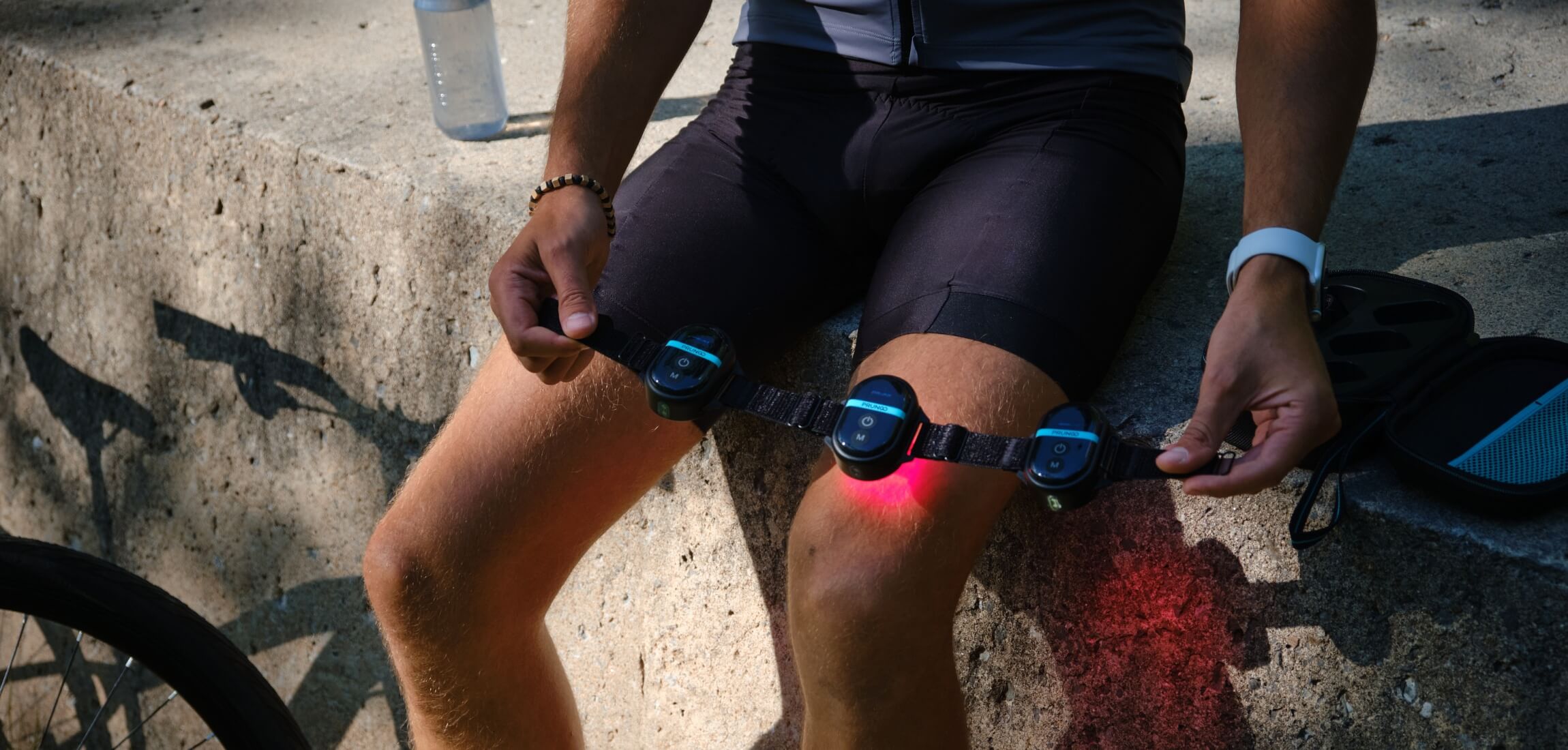
Among the best options for home use are the PRUNGO FluxGo and PRUNGO FluxGo Lite, both of which are portable and FDA-approved. These devices are designed to provide the same high-quality therapy used in professional settings, offering effective pain relief and inflammation reduction at home.
Understanding Safety and Effectiveness Standards
Ensure that the device you choose is FDA-approved to guarantee its safety and effectiveness. FDA-approved red light therapy devices are tested for quality and safety, making them reliable for treating conditions like RA at home.
How to Use Laser Therapy Devices for Rheumatoid Arthritis
Recommended Treatment Protocols
For effective results, it's recommended to use red light therapy at home for about 15-20 minutes per session, 3-5 times a week. Consistency is key, as long-term use helps achieve the best results in reducing pain and inflammation.
Best Practices for Using Home Devices
When using a red light therapy machine at home, make sure to follow the manufacturer’s instructions. Place the device close to the affected area, and keep the light directed at the target for the recommended duration. Always use the device on clean, dry skin.
Combining Laser Therapy with Other Treatments
For optimal results, many patients combine red light therapy for pain with other RA treatments such as medication or physical therapy. Laser therapy can help enhance the effects of these treatments and speed up recovery.
Patient Experiences and Testimonials
Many users of FDA-approved red light therapy devices for pain report significant improvements in their symptoms. Consistent use of devices like the PRUNGO FluxGo has helped numerous RA patients regain mobility and experience less pain.
The Future of Laser Therapy in Treating RA
Innovations in Red Light Therapy Technology
The future of red light therapy in RA treatment looks promising, with advancements in technology leading to more effective devices. Newer models are more portable, user-friendly, and capable of providing even deeper tissue penetration.
Personalized Laser Therapy Treatments
As the field grows, red light therapy at home full body treatments may become more tailored to individual needs. Devices could be designed to target specific pain points, improving overall outcomes for RA patients.
Integrating Laser Therapy with Other Modalities
As more research is conducted, red light therapy may be integrated with other cutting-edge therapies, such as stem cell treatments, to create a more holistic approach to managing RA.
Safety Considerations and Potential Side Effects
Is Laser Therapy Safe for RA Patients
Laser therapy is generally safe for RA patients when used correctly. However, it’s essential to follow safety guidelines to avoid any adverse effects. Always use FDA-approved red light therapy devices and consult with a healthcare provider before starting any new treatment.
Common Side Effects
Though rare, some users may experience mild redness or skin irritation. These side effects are usually temporary and go away shortly after the therapy session. If any discomfort persists, it’s important to stop using the device and seek medical advice.
Safety Guidelines for At-Home Device Use
For portable red light therapy devices, ensure the device is used in a safe environment. Follow the instructions carefully, and avoid shining the light directly into the eyes. Always store devices properly to avoid any damage.
Conclusion
Red light therapy is revolutionizing the way we manage rheumatoid arthritis (RA) in unprecedented ways. Thanks to medical-grade red light therapy devices, individuals can now effectively alleviate pain and inflammation without relying entirely on medication. The PRUNGO FluxGo and PRUNGO FluxGo Lite offer convenient and highly effective home-based treatment solutions, making it easier for patients to manage their condition. For patients requiring extensive coverage, the Red Light Panel is the ideal choice; it covers a large treatment area, helping to alleviate pain throughout the body. If your treatment focus is the face, the Red Light Therapy Mask is a more suitable option, as it is specifically designed for facial use, delivering precise illumination to help relieve facial inflammation and pain.
Share:
Exploring the Immediate Benefits of Multi-Focal Low-Level Laser Therapy on Quadriceps in Knee Osteoarthritis Patients
The Efficacy of Low-Level Laser Therapy in Treating Sports Injuries