


When it comes to muscle recovery, athletes and fitness enthusiasts often look for ways to speed up the healing process after intense workouts or injuries. One of the latest trends is using red light therapy devices. These devices are gaining popularity for their potential to enhance recovery, reduce inflammation, and promote healing. In this article, we’ll explore the science behind red light therapy at home, how it helps with exercise-induced muscle damage, and how you can make the most of FDA-approved red light therapy devices for better recovery.
What Is Phototherapy and How Does It Work
Understanding Phototherapy
Phototherapy uses light, specifically red light therapy, to promote healing and recovery at the cellular level. This process involves using light wavelengths that penetrate deep into tissues, stimulating cellular functions that help repair damage. Medical-grade red light therapy devices deliver precise wavelengths to help improve circulation, reduce inflammation, and accelerate tissue regeneration, making them highly effective for muscle recovery.
Types of Phototherapy Devices
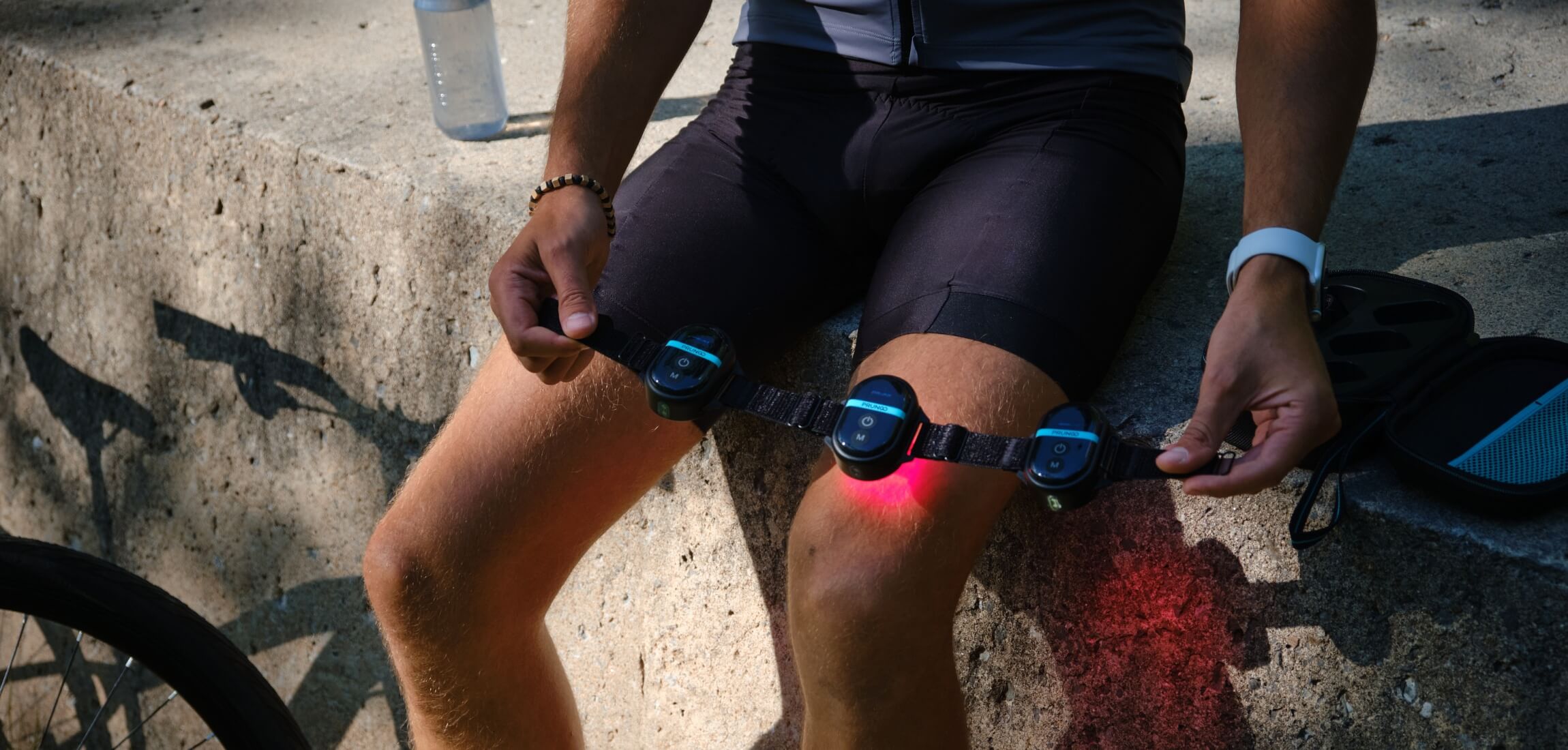
There are various types of red light therapy machines, including handheld devices, red light therapy panels, and full-body units. Each device offers different benefits, with full-body red light therapy at home setups providing comprehensive recovery for muscles across the body. Portable red light therapy options allow users to target specific areas, such as sore legs or arms, with ease. No matter the device, the goal is to speed up healing and reduce pain after exercise.
The Role of Light Wavelengths in Muscle Recovery
Light wavelengths in the red and near-infrared spectrum are particularly effective for muscle recovery. The FDA-approved red light therapy devices emit light at specific wavelengths (usually around 630-650nm) that penetrate deep into muscle tissues. This helps with the production of ATP, the energy source for cells, which speeds up recovery and reduces muscle soreness.
Exercise-Induced Muscle Damage and Its Effects
What Happens to Muscles During Exercise
When you push your body during intense exercise, muscle fibers undergo microtears. This is a natural part of the process that leads to muscle growth, but it also causes soreness and stiffness. This damage can take hours or even days to heal, depending on the intensity of the workout, which is why proper recovery is crucial.
Symptoms of Muscle Damage
Common symptoms of exercise-induced muscle damage include muscle soreness, fatigue, and inflammation. This is commonly known as delayed onset muscle soreness (DOMS). Over time, if the body doesn't fully recover, it can lead to reduced performance and an increased risk of injury. Fortunately, red light therapy for pain can be an effective way to address these symptoms and promote faster healing.
Long-Term Effects of Muscle Damage if Left Unaddressed
Without proper recovery, muscle damage can become chronic. If inflammation is not reduced or muscle tissue isn't repaired, it may lead to long-term pain or even injuries. This is where FDA-approved red light therapy devices for pain can make a significant difference by promoting faster recovery, reducing inflammation, and helping you get back to your training routine sooner.
The Science Behind Red Light Therapy for Muscle Recovery
Red Light Therapy and Cellular Repair
One of the main benefits of medical-grade red light therapy devices is their ability to stimulate mitochondria, the powerhouse of your cells. This enhances ATP production, giving your cells more energy to repair damaged muscle tissue. By boosting cellular repair processes, red light therapy promotes quicker recovery, helping you feel better faster after intense exercise.
Reducing Inflammation with Phototherapy
Red light therapy for pain works not only by repairing tissue but also by reducing inflammation. Inflammation is a common response to muscle damage, but excessive inflammation can slow recovery. Red light therapy helps regulate this inflammatory response, reducing swelling and helping muscles heal faster so you can get back to your regular routine.
Evidence Supporting Red Light Therapy for Muscle Recovery
Research and clinical studies have demonstrated that red light therapy can improve muscle recovery. It’s been shown to reduce soreness and inflammation while speeding up the recovery process after intense physical exertion. Athletes and fitness enthusiasts alike are turning to FDA-approved red light therapy devices to enhance their performance and reduce recovery time.
Benefits of Using Medical-Grade Red Light Therapy Devices for Muscle Damage
Faster Muscle Recovery Time
By accelerating tissue repair and reducing inflammation, red light therapy at home full body devices help speed up the overall recovery process. Whether you're recovering from a strenuous workout or an injury, these devices promote quicker healing times so that you can return to your activities faster.
Pain Reduction and Increased Range of Motion
One of the immediate benefits of using FDA-approved red light therapy devices for pain is the reduction in discomfort. The therapy helps soothe sore muscles and joints, while also improving flexibility and range of motion. This makes it an ideal solution for both recovery and injury prevention.
Improved Performance in Athletes
Incorporating red light therapy for pain into your post-workout routine can enhance your overall athletic performance. By promoting faster muscle recovery, athletes can train harder, recover faster, and reduce the risk of overuse injuries, which ultimately leads to better results.
How to Use Medical-Grade Red Light Therapy Devices for Best Results
Ideal Treatment Duration and Frequency
To maximize the benefits of red light therapy at home, consistency is key. Treatments typically last between 10-20 minutes, depending on the area being treated. It’s recommended to use the red light therapy machine 3-5 times a week for optimal results. Make sure to follow the manufacturer’s guidelines for safe and effective usage.
Tips for Targeting Specific Muscle Groups
If you have localized muscle pain, portable red light therapy devices are a great option. Simply point the device at the affected area for targeted treatment. Whether it’s your legs, shoulders, or back, focusing the therapy on specific muscle groups allows for deeper healing and faster relief.
Combining Red Light Therapy with Other Recovery Methods
While red light therapy devices are effective on their own, combining them with other recovery techniques, like stretching, proper hydration, and nutrition, can enhance the healing process. This holistic approach to recovery can help prevent future muscle damage and improve overall athletic performance.
Potential Risks and Considerations
Are There Any Side Effects
For most people, FDA-approved red light therapy is safe. However, it’s essential to follow the device’s guidelines and avoid overuse, which can lead to mild skin irritation. Always start with shorter sessions and gradually increase the duration as your body adapts to the therapy.
Who Should Avoid Red Light Therapy
While red light therapy is generally safe, people with certain conditions like photosensitivity or specific skin disorders may need to avoid it. It’s always a good idea to consult with a healthcare provider before starting therapy if you have concerns.
Choosing the Right Medical-Grade Red Light Therapy Device
When selecting a red light therapy panel or red light therapy mask, it’s important to ensure the device is FDA-approved and meets medical-grade standards. Look for devices that offer adjustable settings, a suitable wavelength for muscle recovery, and sufficient coverage for your needs.
Conclusion
Incorporating red light therapy devices into your recovery routine can have a transformative impact on muscle repair. Whether you’re an athlete looking to reduce muscle soreness, improve performance, or accelerate recovery, medical-grade red light therapy devices offer an effective solution. Devices like the PRUNGO FluxGo and PRUNGO FluxGo Lite provide the perfect balance of portability and power, allowing you to enjoy the benefits of red light therapy at home or on the go. With consistent use, you can experience faster muscle recovery, pain reduction, and improved overall performance. Make red light therapy a part of your fitness recovery plan and feel the difference today!
Share:
Enhancing Muscle Performance with Low-Level Laser Therapy: A New Frontier in Strength Training
The Efficacy of High-Intensity Laser Therapy in Children with Haemophilia