

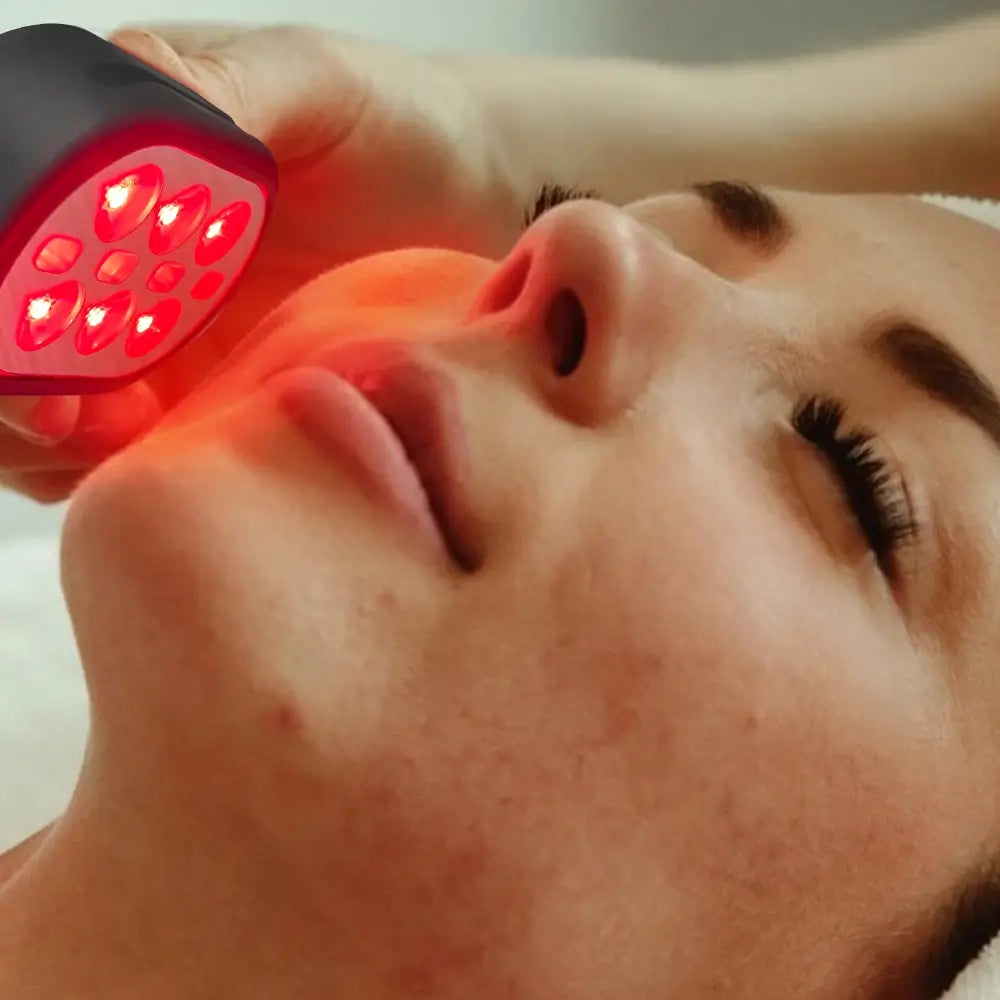
Acne is a widespread skin issue that can affect anyone, regardless of age. While conventional acne treatments like topical creams or medications can work, many come with unwanted side effects or fail to deliver long-term results. That's where red light therapy comes in as a promising alternative. Using red light therapy devices, this treatment helps reduce acne by targeting inflammation and promoting skin healing. In this article, we will dive into the science of red light therapy for acne and how it can be used effectively at home.
What Is Red Light Therapy
The Basics of Red Light Therapy
Red light therapy involves the use of low-wavelength red light that penetrates deep into the skin to stimulate various biological processes. Unlike other light-based treatments, it uses specific wavelengths that help repair tissue and promote healing at the cellular level. This makes it ideal for tackling issues like acne and skin damage.
How Does Red Light Therapy Work on the Skin
When used on the skin, red light penetrates deeply to encourage collagen production, reduce inflammation, and kill acne-causing bacteria. It helps heal the skin faster and reduce acne scars by improving circulation. This process also helps regulate oil production, which can further prevent breakouts.
Different Types of Red Light Therapy Devices
There are various red light therapy devices available, ranging from handheld units to larger panels. Portable red light therapy machines are perfect for red light therapy at home, allowing you to treat acne conveniently. For more extensive treatments, you can opt for larger red light therapy panels or FDA-approved red light therapy devices designed specifically for acne and skin health.
The Science Behind Red Light Therapy for Acne
How Red Light Targets Acne-Causing Bacteria
Red light therapy works on acne by targeting the bacteria responsible for breakouts. The red light penetrates the skin and targets the bacteria, reducing the bacterial load in the pores. By lowering the number of bacteria, this treatment helps reduce the severity of acne outbreaks.
The Role of Red Light in Reducing Inflammation
Inflammation is a major contributor to acne flare-ups. Red light therapy reduces inflammation by stimulating the production of anti-inflammatory cytokines. As a result, it can help minimize the redness and swelling commonly associated with acne, leading to clearer and calmer skin.
How Red Light Therapy Stimulates Skin Healing
Red light therapy accelerates healing by promoting increased circulation and collagen production. This helps repair damaged skin, diminish acne scars, and prevent future outbreaks. As your skin heals more effectively, you may notice that your acne starts to fade with regular use of a red light therapy machine.
Evidence Supporting Red Light Therapy for Acne Treatment
Studies have shown that red light therapy for acne is effective at reducing the appearance of acne. It works by targeting the root causes of acne, such as bacterial growth, inflammation, and skin healing. Users of FDA-approved red light therapy devices have reported significant improvements in skin clarity and texture with consistent use.
Benefits of Medical-Grade Red Light Therapy Devices
Superior Technology for Acne Treatment
Unlike over-the-counter options, medical-grade red light therapy devices are designed with advanced technology that targets acne more effectively. These devices often use specific wavelengths of light that have been shown to promote healing and reduce acne-causing bacteria more efficiently.
Long-Term Benefits for Skin Health
The long-term benefits of red light therapy devices extend beyond just treating acne. They help promote overall skin health by boosting collagen production, improving skin texture, and reducing signs of aging. Regular use of a red light therapy panel can provide lasting skin improvements, preventing acne and enhancing skin's natural glow.
Comparison with Over-the-Counter Light Therapy Devices
While over-the-counter devices are convenient and affordable, they may not provide the same results as FDA-approved red light therapy devices. Medical-grade devices are built for higher intensity and more targeted treatment, offering better outcomes for people dealing with severe acne or chronic skin conditions.
How to Use Red Light Therapy for Acne Treatment
Setting Up a Red Light Therapy Session at Home
Using red light therapy at home is simple. You can set up your red light therapy machine in a quiet, comfortable space and position the device a few inches from your face or affected areas. Make sure to follow the manufacturer's instructions for optimal results, including duration and frequency of sessions.
Frequency and Duration of Treatment
For best results, you should use red light therapy devices consistently. Typically, red light therapy for acne involves 10-20 minute sessions, 3-5 times a week. The exact duration may vary based on the device you're using, so be sure to follow the instructions provided for your specific machine.
What to Expect During and After Treatment
During the session, you’ll likely feel a warm, soothing sensation on your skin. There’s no downtime, and many people report seeing noticeable improvements after several weeks of regular use. Acne may start to fade, and the skin will look healthier and more even over time.
Combining Red Light Therapy with Other Acne Treatments
You can combine red light therapy with your regular acne treatments for enhanced results. Many people find that it works well alongside topical treatments, such as benzoyl peroxide or salicylic acid. Just be sure to give your skin enough time to absorb the treatments, and always follow the advice of your dermatologist.
Red Light Therapy vs. Other Acne Treatments
Comparing Red Light Therapy to Topical Treatments
Red light therapy offers a non-invasive way to treat acne without the harsh chemicals found in many topical treatments. It works beneath the surface to address acne’s root causes, rather than just drying out the skin. This makes it a great alternative for those with sensitive skin.
Red Light Therapy vs. Prescription Medications
Prescription medications like oral antibiotics and retinoids can have side effects, such as dryness or irritation. In contrast, FDA-approved red light therapy devices for pain offer a natural, side-effect-free way to treat acne. While medications can be effective, red light therapy offers a safer, more holistic approach.
Cost and Convenience of Red Light Therapy Devices
Using a portable red light therapy device at home offers convenience and cost savings in the long run. Instead of paying for expensive dermatologist visits or prescription medications, you can enjoy effective acne treatment from the comfort of your home.
Common Side Effects of Red Light Therapy
Most people find red light therapy for acne to be gentle and free of side effects. However, some may experience mild redness or irritation, especially if the sessions are too long. These effects are temporary and usually subside within a few hours.
How to Minimize Risks and Maximize Benefits
To minimize any potential risks, ensure that you follow the recommended guidelines for session length and frequency. Always use the device as instructed to avoid overexposure. Additionally, it’s best to avoid combining light therapy with other treatments unless advised by a dermatologist.
Is Red Light Therapy Safe for All Skin Types
Yes, red light therapy is safe for all skin types. Whether you have oily, dry, or sensitive skin, medical-grade red light therapy devices can be adjusted to suit your needs. As long as you use the device correctly, you can enjoy its benefits without worrying about skin damage.
Choosing the Right Medical-Grade Red Light Therapy Device
Key Features to Look for in Red Light Therapy Devices
When shopping for a red light therapy machine, look for features like adjustable settings, proven wavelengths, and reliable safety certifications. Devices that are FDA-approved red light therapy devices ensure that you're getting a safe and effective product.
Best Devices for Acne Treatment
For acne, the best red light therapy devices typically use wavelengths between 600 and 650 nm. You can choose from handheld devices, red light therapy masks, or red light therapy panels, depending on your preferences and the areas of your skin you wish to treat.
Cost Considerations and Warranty Information
While FDA-approved red light therapy devices can be an investment, they offer long-term savings compared to ongoing treatments at a dermatologist’s office. Make sure to review the warranty and return policy before purchasing any device, as this can provide added peace of mind.
Conclusion: Why Red Light Therapy Is a Game Changer for Acne Treatment
Red light therapy is quickly becoming a game changer for treating acne, especially with the advancement of medical-grade red light therapy devices. These devices work by addressing the underlying causes of acne—bacteria, inflammation, and poor skin healing—without harsh chemicals or invasive procedures. With devices like the PRUNGO FluxGo, you can now experience professional-grade treatment at home, effectively treating acne and improving skin health. Whether using a red light therapy panel for full-body treatment or a red light therapy mask for targeted areas, these devices offer convenience and powerful results. If you're tired of struggling with acne and want to try a safer, more natural treatment, red light therapy might just be the solution you've been looking for.
Share:
Enhancing Recovery: Photobiomodulation Therapy for Distal Radius Fracture Rehabilitation
Revitalizing Brain Health: Harnessing the Power of Transcranial Photobiomodulation