


Traumatic brain injury (TBI) is a serious condition that affects millions, leading to long-term health issues such as cognitive impairments and emotional disturbances. Fortunately, Transcranial Infrared Laser Stimulation (TILS), powered by medical-grade red light therapy devices, is emerging as a promising treatment option. This article will explore how red light therapy at home can enhance recovery for TBI patients and the key benefits of FDA approved red light therapy devices.
What is Transcranial Infrared Laser Stimulation (TILS)
Understanding the Basics of TILS
Transcranial Infrared Laser Stimulation (TILS) involves the use of infrared light to stimulate the brain. It works by emitting light at specific wavelengths that penetrate the skull, promoting healing and recovery. The therapy is typically non-invasive and is increasingly being used in neurological rehabilitation, especially for conditions like traumatic brain injury.
How TILS Works for Brain Injury Recovery
TILS stimulates brain cells by enhancing mitochondrial activity, which boosts energy production. This increased cellular energy helps to repair damaged tissues and improve brain function. By improving blood flow, red light therapy for pain and cognitive restoration becomes more effective, making it an excellent option for TBI recovery.
Benefits of Infrared Laser Therapy in Neurological Healing
The main benefit of infrared laser therapy is its ability to promote neuroplasticity—the brain's ability to reorganize and form new neural connections. This is essential for recovery from TBI. Additionally, TILS can help reduce inflammation, alleviate pain, and accelerate overall healing, leading to a faster recovery.
The Role of Medical-Grade Red Light Therapy Devices in Brain Injury Recovery
How Medical-Grade Red Light Therapy Devices Differ from Consumer-Grade Products
Medical-grade red light therapy devices are specifically designed to deliver precise wavelengths of light with the correct intensity to maximize therapeutic benefits. Unlike consumer-grade products, these devices meet rigorous standards set by the FDA approved red light therapy guidelines, ensuring safety and efficacy in treating conditions like TBI.
The Science Behind Red Light Therapy for Traumatic Brain Injury
Red light therapy works by using light in the red and near-infrared spectrum. When applied to the brain, it helps cells absorb the light energy, which in turn enhances healing processes such as protein synthesis, inflammation reduction, and tissue regeneration. These processes are vital in reversing damage caused by traumatic brain injury.
Clinical Studies Supporting the Efficacy of Red Light Therapy
Numerous studies have shown that red light therapy at home is effective in reducing symptoms associated with brain injuries. Research demonstrates that FDA approved red light therapy devices can significantly improve cognitive function, reduce pain, and accelerate recovery times, making it an excellent choice for TBI patients.
The Mechanism of Action of Transcranial Infrared Laser Stimulation
Cellular Stimulation and Brain Repair Processes
Infrared light penetrates the skull and interacts with the mitochondria in brain cells. By stimulating these cells, it enhances energy production and accelerates the body’s natural repair processes. This mechanism is crucial for restoring cognitive abilities and improving mental clarity post-injury.
How Infrared Light Penetrates the Brain
Infrared light has the ability to penetrate deep tissues without causing harm. This property allows it to reach the brain's deeper structures, where it can provide therapeutic benefits. This makes red light therapy for pain and brain injury recovery highly effective in treating a variety of neurological disorders.
Effects on Blood Flow and Cellular Regeneration
TILS improves blood flow in the brain, which helps deliver oxygen and nutrients necessary for healing. The therapy also promotes cellular regeneration, which helps repair brain cells damaged during the injury, accelerating the recovery process and improving overall brain function.
How TILS Enhances Recovery for Traumatic Brain Injury Patients
Reducing Inflammation and Swelling in the Brain
One of the key advantages of TILS is its ability to reduce inflammation and swelling, common symptoms following brain injury. By decreasing inflammation, TILS helps protect healthy brain tissue from further damage, promoting a faster recovery.
Improving Cognitive Function and Memory Recall
Research shows that infrared laser therapy can enhance cognitive abilities, such as memory and focus, by promoting neural regeneration. Patients using medical-grade red light therapy devices often experience quicker cognitive recovery, making TILS a critical tool for rehabilitation.
Speeding Up Neuroplasticity and Healing
TILS helps stimulate neuroplasticity, the brain's ability to form new neural pathways. This is essential for recovering lost functions and adapting to changes caused by a traumatic brain injury. The process of healing and rewiring the brain can be accelerated with consistent use of FDA approved red light therapy devices.
Enhancing Mood and Reducing Anxiety
TBI patients often experience emotional disturbances such as depression and anxiety. Infrared light therapy can have a positive effect on mood by stimulating the release of endorphins, the body’s natural “feel-good” chemicals. This helps improve the emotional well-being of individuals recovering from TBI.
What Are the Benefits of TILS for Different Stages of Recovery
Early Stages: Preventing Long-Term Damage
In the early stages of recovery, TILS can help prevent long-term neurological damage by reducing inflammation and promoting tissue repair. Early intervention with red light therapy devices can have a significant impact on the recovery timeline.
Middle Stages: Boosting Rehabilitation Efforts
During the middle stages of recovery, red light therapy at home can further enhance brain function and neuroplasticity, supporting patients as they work through rehabilitation exercises. This ensures more effective and quicker progress in regaining cognitive and motor skills.
Late Stages: Restoring Cognitive and Motor Function
In the late stages of recovery, TILS helps fine-tune brain function, improving memory, coordination, and other motor skills. Consistent use of portable red light therapy devices can facilitate continued recovery and prevent relapse.
Long-Term Benefits of Continuous Use of Red Light Therapy
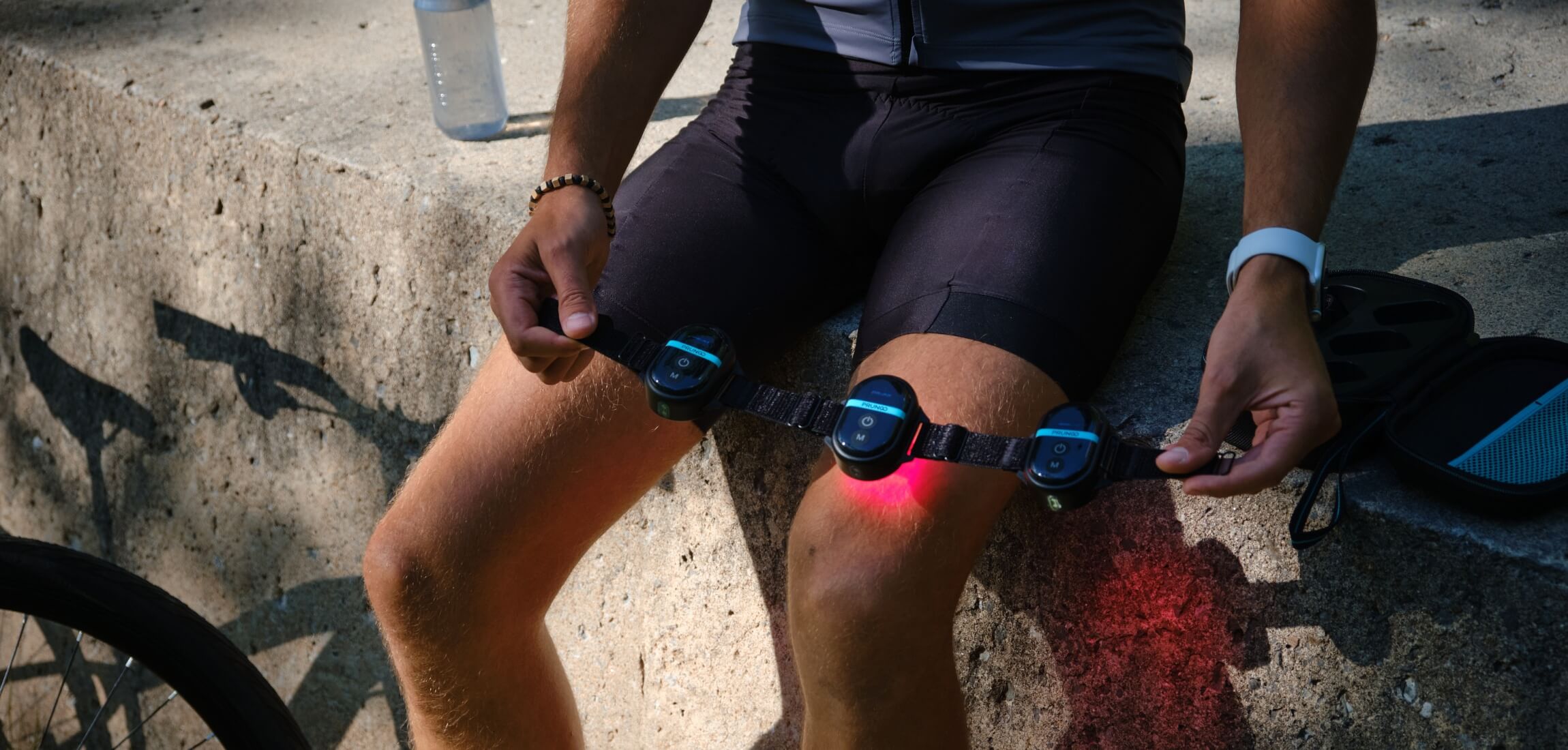
Long-term use of red light therapy devices, such as the PRUNGO FluxGo, can maintain brain health and enhance cognitive function well after the injury has healed. Regular treatments can support sustained recovery, preventing cognitive decline and improving quality of life.
Safety and Effectiveness of Transcranial Infrared Laser Stimulation
Is TILS Safe for Traumatic Brain Injury Patients
TILS is generally considered safe for use in patients with traumatic brain injury, especially when administered with FDA approved red light therapy devices. It is a non-invasive treatment with minimal risks, making it suitable for long-term use in neurological rehabilitation.
Common Side Effects and How to Manage Them
While TILS is safe, some users may experience mild side effects such as skin irritation or headaches. These side effects are usually temporary and can be managed by adjusting the therapy settings or limiting the exposure time. Always follow the manufacturer's guidelines for optimal results.
Effectiveness Compared to Other Treatment Options
TILS offers several advantages over traditional treatments for TBI, such as medication and surgery. It is a non-invasive, pain-free method that can complement other therapies, making it an excellent choice for enhancing recovery and improving overall outcomes.
How to Use Medical-Grade Red Light Therapy Devices for TILS
Guidelines for At-Home Use of Red Light Therapy Devices
Using red light therapy at home can be convenient and effective. Ensure you follow the device instructions carefully. Set up your red light therapy machine in a comfortable position, and expose the targeted area for the recommended time.
Recommended Device Settings and Treatment Duration
Each red light therapy device comes with specific settings. For optimal results, use the device for 10-20 minutes per session, ensuring that the light targets the affected area for maximum therapeutic benefit. Consult the device manual for accurate settings.
Consulting with Healthcare Providers Before Starting TILS
Before starting any new therapy, it’s important to consult with a healthcare provider. They can guide you on how best to incorporate FDA approved red light therapy devices for pain into your recovery plan, ensuring it complements other treatments you may be undergoing.
Conclusion
In conclusion, Transcranial Infrared Laser Stimulation (TILS) has shown great promise in enhancing recovery for individuals suffering from traumatic brain injury. By utilizing medical-grade red light therapy devices, such as the PRUNGO FluxGo, patients can experience reduced inflammation, improved cognitive function, and faster healing. Red light therapy for pain and its ability to promote neuroplasticity make it a valuable tool in the rehabilitation process. Whether you're using a red light therapy panel for localized treatment or a red light therapy mask for full-body therapy, consistent use can lead to better long-term outcomes. If you’re ready to take the next step in your recovery, consider adding red light therapy to your daily routine and experience its life-changing benefits.
Share:
Enhancing Recovery: Photobiomodulation Therapy for Distal Radius Fracture Rehabilitation
Effective Acne Treatment: Understanding the Science of Red Light Therapy