


Rheumatoid arthritis (RA) is a chronic inflammatory disorder that affects joints, leading to pain and stiffness. In some cases, RA can cause carpal tunnel syndrome (CTS), a condition where pressure on the median nerve in the wrist leads to pain, numbness, and weakness in the hand. Red light therapy is increasingly recognized as a powerful, non-invasive option for managing pain and discomfort caused by CTS in RA patients.
What is Rheumatoid Arthritis
Rheumatoid arthritis primarily affects the small joints, especially in the hands and wrists. It causes inflammation, pain, and eventual joint damage. Over time, this inflammation can compress the nerves in the wrist, leading to carpal tunnel syndrome, which worsens the symptoms of RA.
What is Carpal Tunnel Syndrome
Carpal tunnel syndrome occurs when the median nerve, which controls sensation in the thumb and first three fingers, becomes compressed in the wrist. For individuals with RA, swelling in the wrist joint increases the risk of developing CTS, making it harder to perform daily tasks.
How RA Can Lead to Carpal Tunnel Syndrome
RA inflammation in the wrist can cause swelling that narrows the carpal tunnel, putting pressure on the median nerve. This leads to tingling, numbness, and weakness, making simple movements difficult. Addressing both RA and CTS is crucial to improving overall hand function and reducing discomfort.
The Role of Low-Level Laser Therapy (LLLT) in Pain Management
Low-Level Laser Therapy (LLLT), often referred to as red light therapy, is a non-invasive treatment option that can help manage pain and inflammation. This therapy uses specific wavelengths of light to penetrate the skin, promoting healing and reducing pain in affected areas, such as wrists with CTS.
What is Low-Level Laser Therapy
LLLT involves using medical-grade red light therapy devices to target tissues and cells with specific light wavelengths. This stimulates the body's natural healing processes, reduces inflammation, and promotes pain relief. It is a gentle, non-invasive treatment that is suitable for home use.
How LLLT Works to Relieve Pain
Red light therapy works by penetrating the skin layers to reach underlying tissues. It stimulates cellular processes like ATP production, which helps repair damaged cells and reduce inflammation. This can provide relief from the discomfort of both RA and carpal tunnel syndrome, enhancing mobility and reducing pain.
Benefits of LLLT for Rheumatoid Arthritis and CTS
LLLT offers numerous benefits for RA and CTS sufferers, including reduced inflammation, improved circulation, and increased cellular repair. Using FDA-approved red light therapy devices, like a red light therapy machine, can provide significant pain relief without the need for invasive procedures or medications.
Why Choose Medical-Grade Red Light Therapy Devices
Medical-grade red light therapy devices are specifically designed to offer higher power, deeper penetration, and greater effectiveness than standard consumer devices. For those suffering from RA-related CTS, choosing an FDA-approved red light therapy device can ensure better results and safer treatments.
The Importance of Medical-Grade Devices
Medical-grade red light therapy devices are built for professional use, ensuring they meet strict safety and efficacy standards. These devices are often more powerful, with precise light wavelengths that target the affected tissues more effectively, providing quicker and longer-lasting relief.
How Medical-Grade Red Light Therapy Devices Differ from Consumer Products
Unlike basic consumer products, medical-grade red light therapy devices are designed to meet higher standards. They feature more advanced technology, higher light intensity, and targeted treatment options. This makes them more effective in treating chronic conditions like CTS associated with RA.
Safety and Efficacy of Medical-Grade Devices
Using FDA-approved red light therapy devices ensures safety and reliability. These devices have been thoroughly tested for effectiveness and safety in treating conditions like carpal tunnel syndrome, giving users confidence in their pain management treatments.
Scientific Evidence Supporting LLLT for Carpal Tunnel Syndrome
Multiple studies have explored the effectiveness of low-level laser therapy (LLLT) in treating carpal tunnel syndrome. The evidence consistently supports its ability to reduce pain and inflammation, helping individuals with RA experience relief from CTS symptoms.
Studies on LLLT for CTS Relief
Several clinical studies have shown that LLLT significantly reduces pain and improves hand function in individuals with carpal tunnel syndrome. The light helps stimulate nerve repair and reduces inflammation, leading to improved mobility and less discomfort for those with RA.
Effectiveness of Red Light Therapy for RA-Associated CTS
Red light therapy is particularly effective for RA-related CTS because it directly targets inflammation in the wrist joint. By reducing the swelling that compresses the median nerve, LLLT helps restore nerve function and relieve pressure, easing the pain and discomfort of CTS.
Clinical Trials and Findings
Clinical trials have demonstrated that regular use of medical-grade red light therapy devices can result in measurable improvements in pain reduction, nerve function, and quality of life for individuals with RA-related CTS, making it a viable treatment option for chronic sufferers.
How to Use Medical-Grade Red Light Therapy Devices for CTS Relief
Using a red light therapy device at home is simple and effective. Regular sessions can significantly reduce pain and inflammation in your wrists, improving your overall hand function.
Step-by-Step Guide to Using LLLT Devices at Home
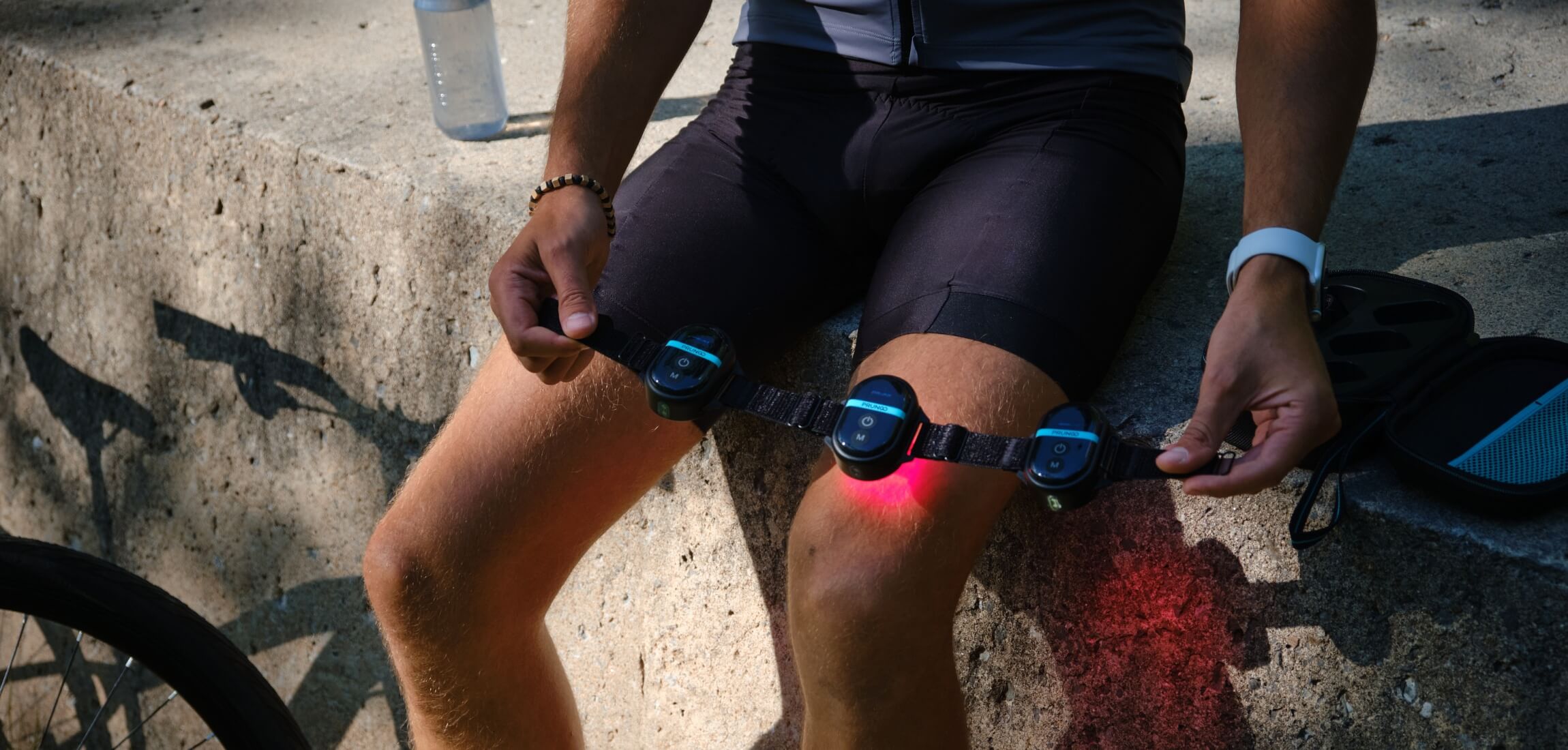
To use a red light therapy machine at home, position the device 4-6 inches from the affected area, ensuring that the light directly targets the wrist. Treatment should last around 15-20 minutes, 3-5 times a week. Consistency is key for achieving the best results.
Tips for Best Results with Red Light Therapy
For optimal results, make sure to follow the manufacturer’s instructions for use. Be consistent with your therapy sessions, and pair it with gentle wrist exercises to enhance mobility. Also, avoid using the device over broken skin or open wounds to ensure safety.
Duration and Frequency of Treatment
Typically, it’s recommended to use a red light therapy device for 15-20 minutes per session, with 3-5 sessions per week. Over time, you’ll start noticing reduced inflammation, pain, and improved wrist mobility, especially if combined with other treatments for RA.
Integrating LLLT with Other Treatments for RA-Related CTS
While red light therapy is effective on its own, combining it with other treatments for RA-related CTS can further enhance results. These treatments can address both the symptoms of RA and the specific nerve compression of CTS.
Complementary Therapies to Enhance LLLT Effectiveness
For maximum relief, consider combining LLLT with physical therapy, medication, or lifestyle adjustments like wrist splints. These complementary treatments can help manage inflammation, improve circulation, and support joint health alongside red light therapy.
Combining LLLT with Medications and Physical Therapy
While red light therapy can reduce pain, it works best when combined with other treatments. Medication can help manage inflammation, while physical therapy exercises can improve hand strength and flexibility, allowing for faster recovery and better long-term outcomes.
Holistic Approaches to RA and CTS Relief
Taking a holistic approach to managing RA and CTS, such as maintaining a healthy diet, regular exercise, and stress management, can further boost the benefits of red light therapy, promoting overall health and wellness.
Precautions and Considerations for Using Low-Level Laser Therapy
Though generally safe, it’s important to consider certain precautions before starting red light therapy. Knowing when and how to use the device is essential for getting the best results while ensuring safety.
Who Should Avoid Red Light Therapy
Red light therapy is generally safe for most people, but those with light-sensitive conditions or pregnant women should consult a doctor before use. Additionally, individuals with certain skin conditions should avoid using red light therapy on affected areas.
Potential Side Effects of LLLT
Red light therapy is well-tolerated, but some individuals may experience mild redness or warmth in the treated area. These side effects are temporary and typically fade shortly after treatment. If discomfort persists, discontinue use and consult a healthcare professional.
When to Consult a Doctor
If you’re not seeing improvement or if your symptoms worsen, it’s important to consult your doctor. Red light therapy should complement medical treatment, not replace it. A healthcare provider can guide you on the best treatment plan for your condition.
Conclusion: Empowering Your Pain Relief Journey
Red light therapy offers a safe, effective way to manage pain and inflammation caused by RA-related carpal tunnel syndrome. With FDA-approved red light therapy devices like PRUNGO FluxGo and PRUNGO FluxGo Lite, you can enjoy relief in the comfort of your home. These portable red light therapy devices make it easy to incorporate healing into your daily routine. By integrating LLLT into your pain management strategy, along with other holistic approaches, you can significantly improve your quality of life. Whether using a red light therapy panel or a red light therapy mask.
Share:
Harnessing the Power of Red Light Therapy for Enhanced Muscle Function in Older Adults
Revitalizing Brain Health: Harnessing the Power of Transcranial Photobiomodulation