


Lower back pain is a common and often disabling condition, affecting millions globally. It can stem from a variety of causes, including sedentary lifestyles, poor posture, muscle imbalances, or chronic conditions. Thankfully, home-based solutions can provide quick relief and promote long-term recovery.
While seeking professional medical advice remains important, incorporating simple and effective strategies into your daily routine can go a long way in alleviating discomfort. In this guide, we explore various techniques, including those utilizing red light therapy at home, to help you manage lower back pain and regain a pain-free life.
How to Relieve Lower Back Pain at Home?
Hot and Cold Therapy
Hot Pack: Apply a heating pad or hot pack to the affected area for 15-20 minutes. Be sure to use a protective layer (cloth or towel) to avoid burns.
Cold Compress: Wrap a cold pack or frozen peas in a cloth and apply it to the lower back for 15-20 minutes. Reapply every 2-3 hours to reduce inflammation.
Proper Posture Practices
-
While sitting, ensure your feet are flat on the floor, keeping your knees at a 90-degree angle.
-
Use a chair with lumbar support or add a pillow to support your lower back's natural curve.
-
When standing, distribute your weight evenly on both feet, avoid locking your knees, and stand tall to reduce strain on your back.
Targeted Stretching Exercises
Cat-Cow Stretch: Begin on your hands and knees, alternating between arching your back upward (cat) and lowering your belly while lifting your head (cow). Repeat 10-15 times to improve flexibility.
Child’s Pose: Kneel on the floor, sit back on your heels, and extend your arms forward. Hold for 20-30 seconds to relax your lower back and hips.
Knee-to-Chest Stretch: Lie on your back, bring one knee toward your chest, and hold for 20 seconds. Repeat with the other leg. This targets tightness in the lower back.
Pelvic Tilts: Lie on your back with your knees bent. Tighten your core and tilt your pelvis upward. Hold for a few seconds, then release. Repeat 10-15 times to strengthen your core and relieve tension.
Seated Forward Bend: Sit with your legs extended, hinge at the hips, and reach toward your toes. Hold for 20-30 seconds to stretch your hamstrings and lower back.
Strengthening Core Muscles
Plank: Start on your hands and knees, then straighten your legs, keeping your body in a straight line. Hold for 20-30 seconds to strengthen your core.
Bridges: Lie on your back, lift your hips toward the ceiling, and hold for 15-20 seconds. This strengthens your glutes and lower back muscles.
Mind-Body Techniques
Deep Breathing: Sit or lie comfortably and focus on deep, slow breaths. Inhale deeply through your nose, expanding your diaphragm, and exhale slowly. Repeat for 5-10 minutes.
Meditation: Find a quiet space, close your eyes, and focus on your breathing. Let thoughts come and go without judgment to reduce stress and tension.
Investing in Supportive Furniture
-
Choose a chair that supports your spine's natural curve.
-
Ensure your mattress provides adequate support. If sleeping on your side, consider placing a pillow between your legs for extra comfort.
Incorporating Gentle Exercise
Walking: Engage in short walks regularly, maintaining a brisk but comfortable pace.
Swimming: Water activities like swimming provide low-impact cardiovascular exercise that helps reduce back pain while promoting flexibility.
Hydration and Nutrition
-
Drink plenty of water to stay hydrated.
-
Include foods rich in omega-3 fatty acids (e.g., salmon, walnuts) and anti-inflammatory foods (e.g., berries, leafy greens) to promote healing.
Over-the-Counter Pain Relief
-
Follow the recommended dosage for medications like ibuprofen or acetaminophen. Consult a healthcare professional for personalized advice.
Other Treatment Options
Red Light Therapy
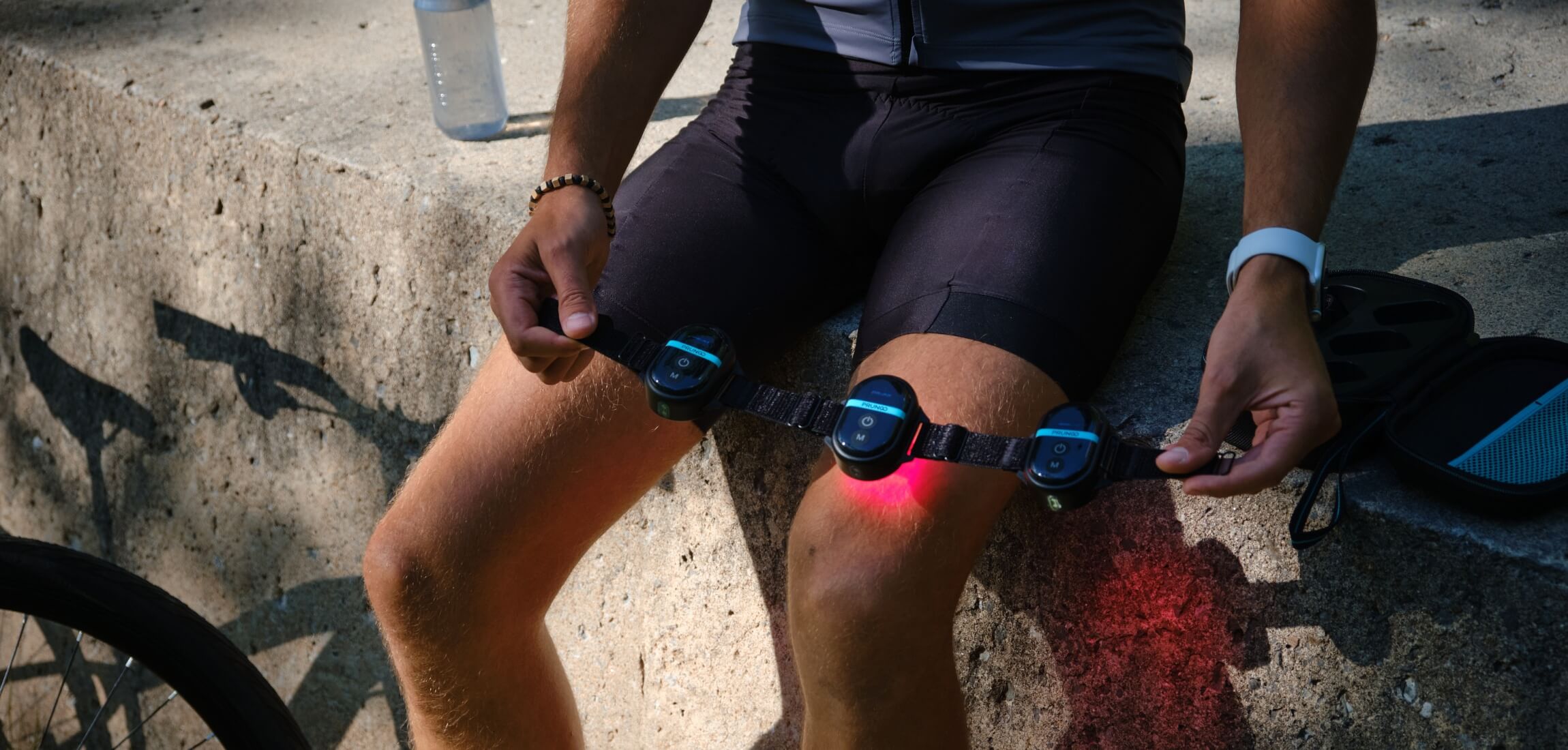
For those seeking a more advanced approach to pain management, red light therapy at home can offer targeted relief for lower back pain. Using a medical-grade red light therapy devices like the PRUNGO FluxGo is a medical-grade solution designed to ease pain, reduce inflammation, and promote healing. This portable red light therapy device can be used in the comfort of your home.
To use the red light therapy for pain, position the device about 6-12 inches from your lower back, and administer therapy for 10-20 minutes. Regular sessions will help manage chronic pain and improve overall mobility. If you’re looking for FDA-approved red light therapy devices for pain, the PRUNGO FluxGo is an excellent choice, providing red light therapy for full-body relief.
Acupuncture
Acupuncture can be a helpful treatment option, as qualified practitioners insert thin needles into strategic points to alleviate pain and restore balance. Multiple sessions can provide cumulative benefits for chronic conditions.
Massage Therapy
Regular massages targeting the lower back can help reduce pain and promote circulation. Communicate your pain points to the therapist and consider different techniques such as Swedish or deep tissue massage to relieve tension.
Conclusion
By incorporating these home-based strategies, you can quickly find relief from lower back pain. However, if pain persists or worsens, it is crucial to seek professional medical advice. Consistent use of remedies like stretching, posture correction, and red light therapy at home can significantly improve your comfort levels and overall back health.
To further enhance your recovery journey, consider the PRUNGO FluxGo, a portable red light therapy device that offers medical-grade relief at home. Whether you're seeking to relieve localized pain or enjoy full-body red light therapy, the PRUNGO FluxGo helps to manage and reduce pain effectively.
Take control of your lower back health today with the power of FDA-approved red light therapy devices for pain—your back will thank you!
Share:
Exploring Near-Infrared Light Therapy for Restless Legs Syndrome