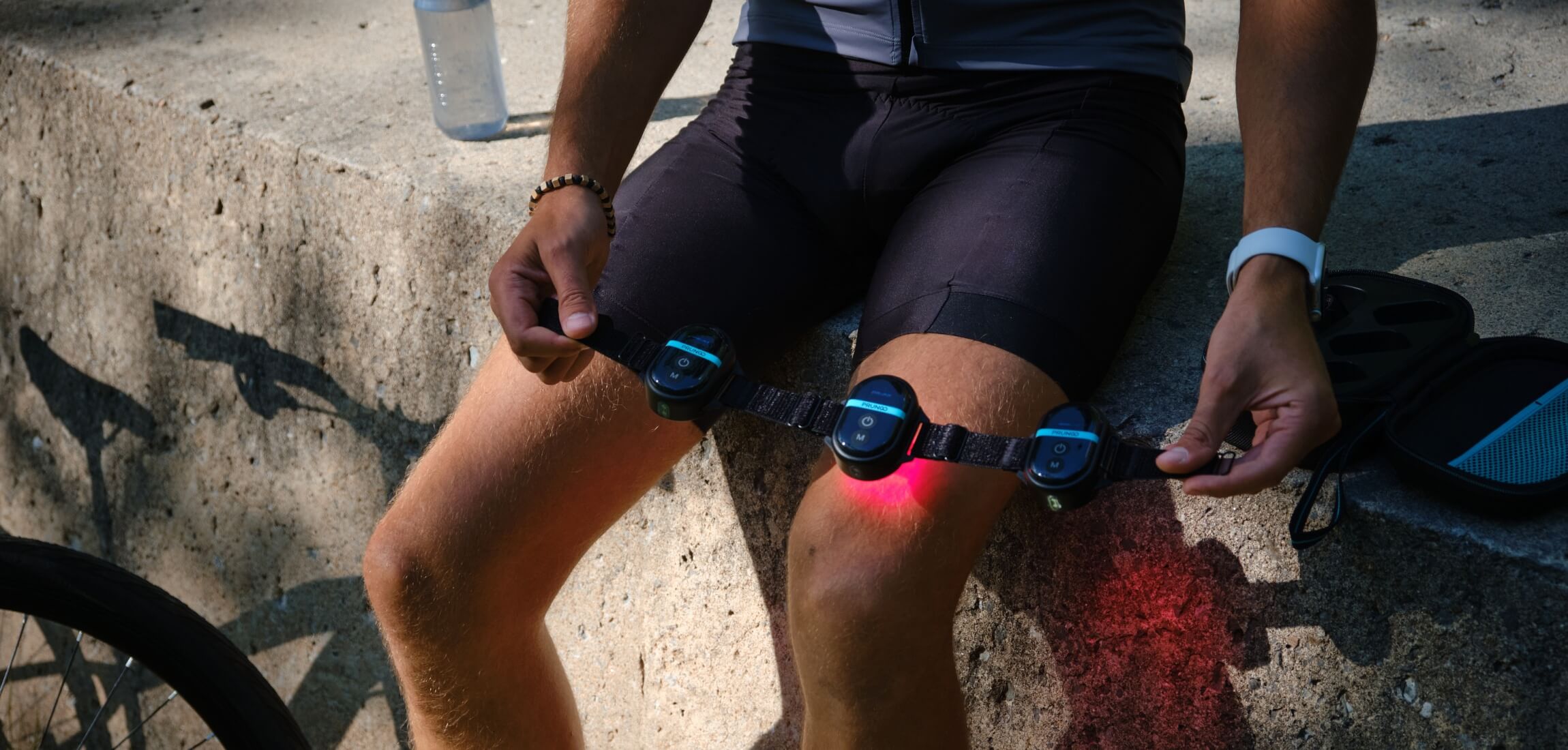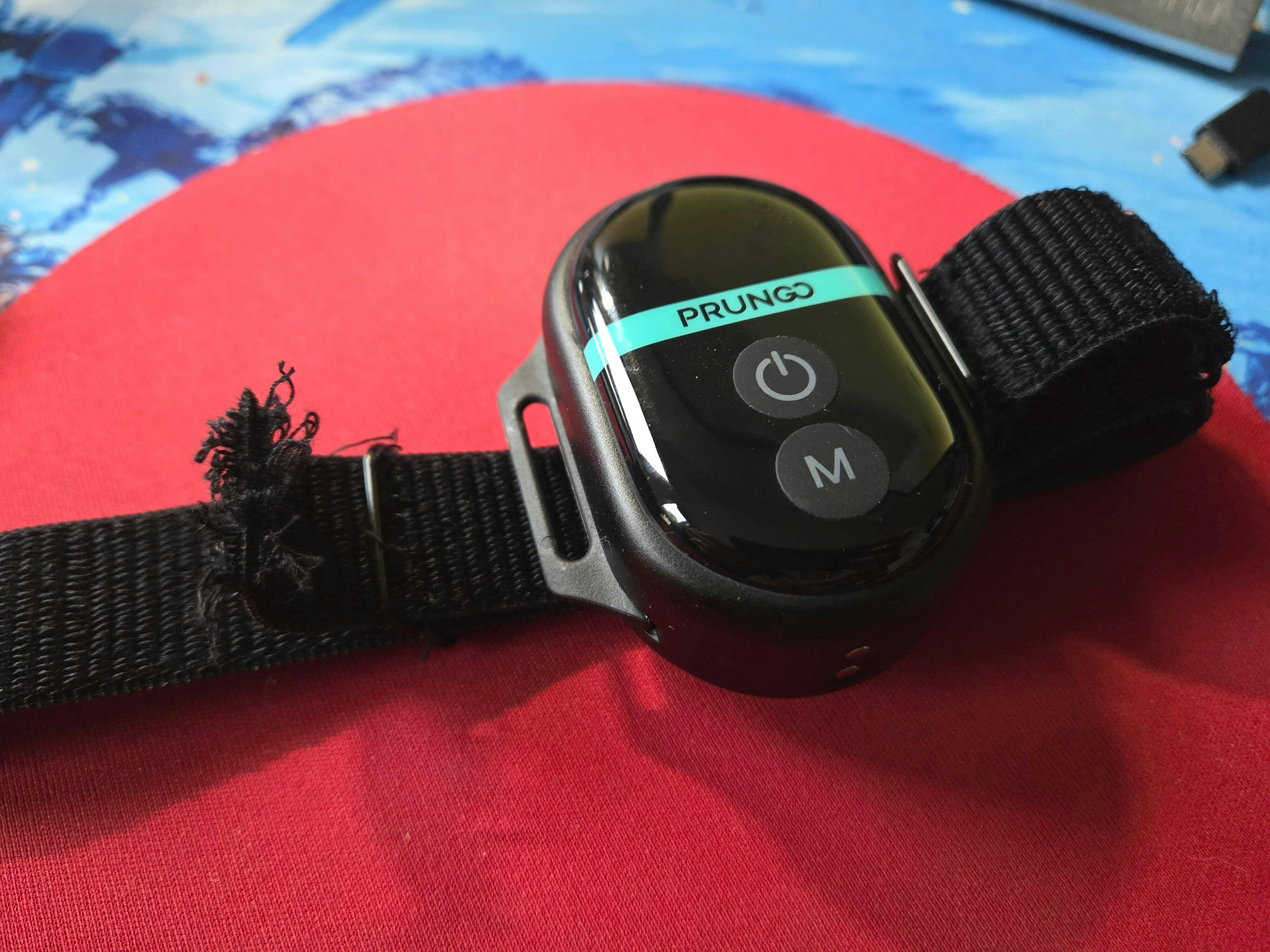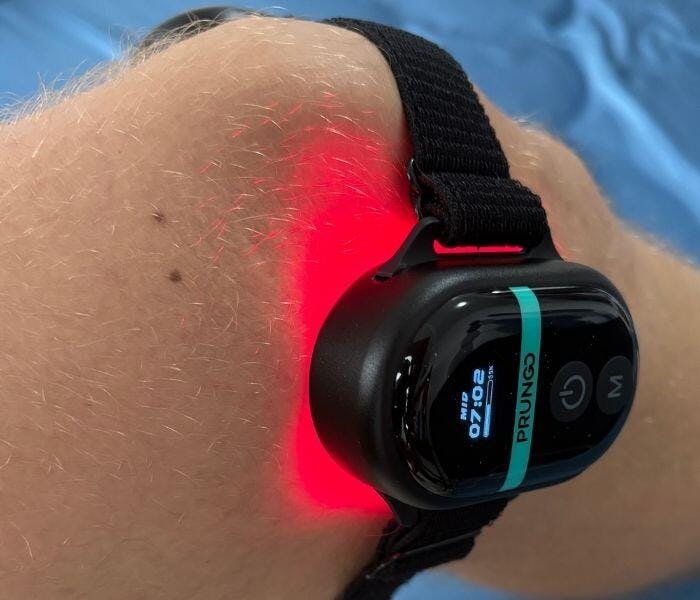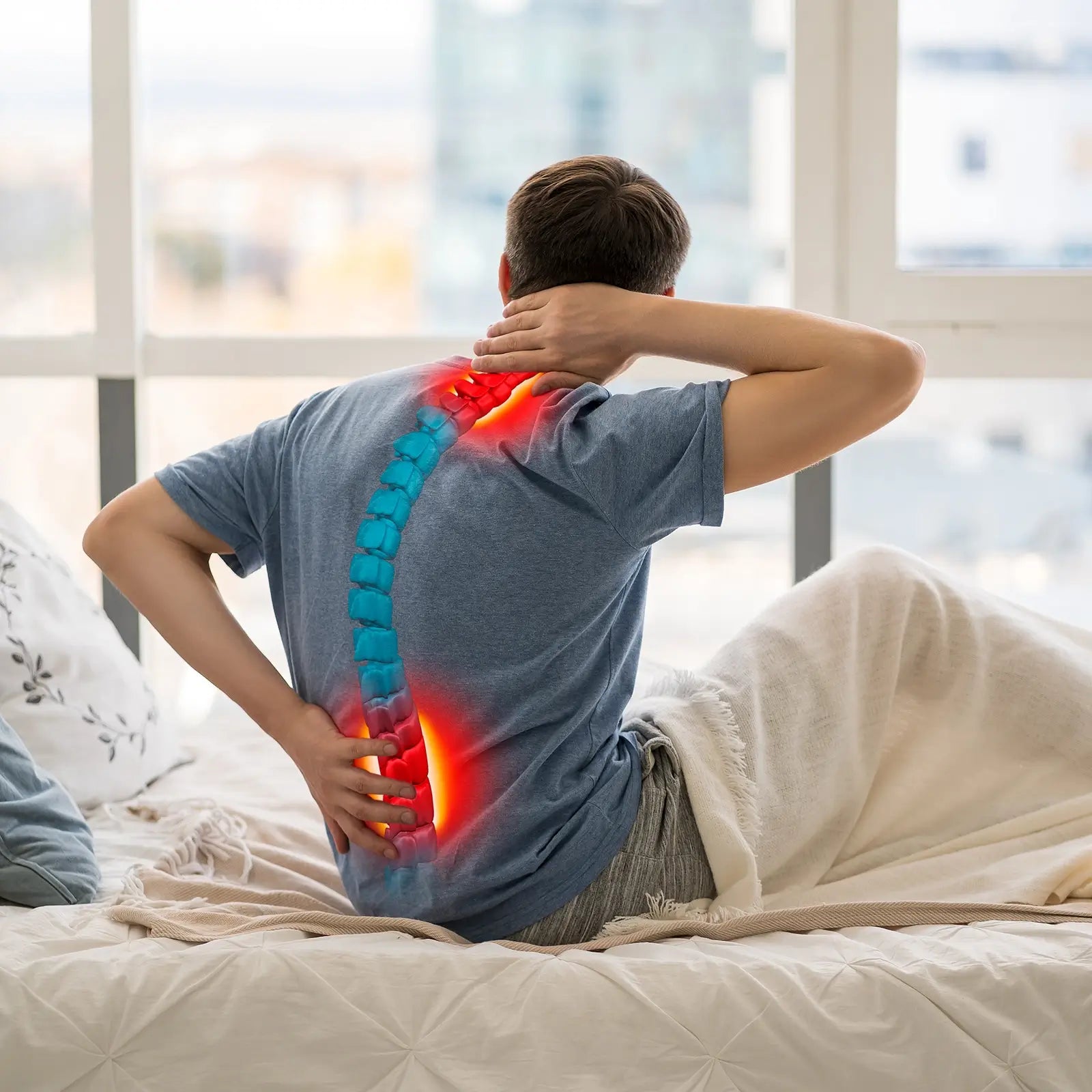
Cervical spine osteoarthritis is a condition that affects the joints in the neck, leading to pain, stiffness, and limited mobility. This condition can significantly impact daily life, making it difficult to move your head or perform everyday tasks. While there are various treatment options available, many people seek out non-invasive therapies that can help manage pain and improve mobility. One such treatment is low-power modulated laser therapy, which has gained attention for its ability to offer relief without the need for surgery or harsh medications. In this article, we explore the efficacy of this therapy, focusing on how medical-grade red light therapy devices can provide significant benefits for those suffering from cervical spine osteoarthritis.
Understanding Low-Power Modulated Laser Therapy
What is Low-Power Modulated Laser Therapy
Low-power modulated laser therapy (LPLT) is a non-invasive treatment that uses specific wavelengths of light to stimulate tissue repair and reduce inflammation. This therapy is often referred to as FDA approved red light therapy, and it works by targeting the cells to promote healing at the cellular level. The light energy penetrates deep into the tissues, encouraging natural healing processes and alleviating pain.
Mechanism of Action: How It Works
The red light emitted during LPLT is absorbed by the mitochondria, the powerhouse of the cell. This stimulates energy production, which accelerates tissue repair and promotes circulation. By increasing blood flow to the affected area, red light therapy for pain helps reduce inflammation, ease muscle tension, and improve mobility, particularly in the cervical spine.
Benefits of Laser Therapy for Joint and Tissue Healing
Red light therapy is known for its ability to reduce inflammation and promote faster healing of damaged tissues. It has been shown to be effective in treating various types of joint pain, including cervical spine osteoarthritis. For those suffering from chronic neck pain, this therapy can provide significant relief by stimulating the body’s natural healing mechanisms, leading to less discomfort and improved range of motion.
The Role of Medical-Grade Red Light Therapy Devices
What Makes a Red Light Therapy Device “Medical-Grade”
Medical-grade red light therapy devices are specifically designed for professional use and meet stringent quality standards. Unlike consumer-grade devices, medical-grade devices are typically more powerful and offer deeper penetration into the tissues, providing more effective treatment. These devices are also FDA-approved, ensuring they are safe and effective for treating medical conditions like cervical spine osteoarthritis.
How Medical-Grade Devices Differ from Consumer-Grade Options
While consumer-grade devices are generally more affordable, they often lack the intensity and precision required for serious medical treatments. Medical-grade devices, on the other hand, are calibrated to deliver optimal wavelengths and dosages for healing. This makes them much more effective in treating pain, inflammation, and tissue damage, particularly for conditions like cervical spine osteoarthritis.
The Key Benefits of Medical-Grade Devices in Treating Osteoarthritis
Medical-grade red light therapy machines offer enhanced benefits for treating osteoarthritis. These devices can penetrate deeper into the joints and tissues, providing better pain relief and promoting faster healing. By using high-quality devices, you can experience significant improvements in pain management, mobility, and overall quality of life.
Clinical Evidence Supporting Laser Therapy for Osteoarthritis
Studies on Low-Power Laser Therapy for Joint Pain Relief
Numerous studies have shown that red light therapy for pain can effectively reduce joint pain and inflammation, particularly in patients with osteoarthritis. Research indicates that laser therapy promotes healing by stimulating collagen production and improving blood circulation. This is particularly beneficial for treating chronic conditions like cervical spine osteoarthritis, where inflammation and joint damage play a major role in the pain.
How Laser Therapy Helps Reduce Inflammation
Laser therapy is known for its anti-inflammatory effects, which are crucial in treating osteoarthritis. The therapy works by increasing circulation to the affected area, which helps flush out toxins and reduces swelling. This results in a decrease in pain and discomfort, improving the overall function of the cervical spine.
The Impact on Pain Reduction and Mobility Improvement
One of the main reasons people turn to red light therapy is for pain relief. Clinical evidence shows that low-power laser therapy can significantly reduce pain and improve mobility in patients with cervical spine osteoarthritis. By promoting healing and reducing inflammation, it allows patients to regain movement and enjoy better quality of life.
Evidence from Recent Research on Cervical Spine Osteoarthritis
Recent studies have highlighted the effectiveness of FDA-approved red light therapy devices for pain in treating cervical spine osteoarthritis. Research shows that patients who underwent regular laser therapy experienced significant improvements in pain management, joint mobility, and overall health. This supports the use of red light therapy as a valuable tool in managing chronic conditions like osteoarthritis.
Benefits of Low-Power Laser Therapy in Treating Cervical Spine Osteoarthritis
Non-Invasive and Safe for Long-Term Use
Unlike surgery or invasive treatments, low-power laser therapy is non-invasive and can be safely used for long-term pain management. The therapy does not require any incisions or injections, making it an attractive option for those who wish to avoid the risks and recovery time associated with more invasive treatments.
Improved Healing and Regeneration of Cartilage
One of the key benefits of low-power laser therapy is its ability to stimulate the regeneration of damaged cartilage. This is particularly beneficial for patients with cervical spine osteoarthritis, as it can help repair cartilage and restore normal joint function. Over time, this can lead to less pain and a greater range of motion in the neck.
Enhanced Range of Motion and Reduced Pain
With regular treatments, patients often experience an enhanced range of motion and reduced stiffness in the neck. This can be life-changing for those suffering from osteoarthritis, as it allows them to move freely and engage in daily activities without being hindered by pain.
Minimal Side Effects Compared to Other Treatment Options
Compared to medications or surgery, low-power laser therapy has minimal side effects. Most patients experience little to no discomfort during the treatment, and the risk of adverse reactions is very low. This makes it a safe and appealing choice for those looking for an effective, non-invasive treatment for cervical spine osteoarthritis.
How to Use Medical-Grade Red Light Therapy Devices Effectively
Device Placement and Duration of Treatment
To get the best results from your red light therapy devices, it’s important to follow the manufacturer’s instructions regarding device placement and treatment duration. Typically, you will want to place the device directly over the affected area, such as the neck, and allow it to run for the recommended period, usually between 10 to 20 minutes.
Frequency of Treatments for Optimal Results
For optimal results, it’s generally recommended to use red light therapy machines several times a week. Consistency is key to seeing long-term benefits. However, the exact frequency will depend on your specific condition and the advice of your healthcare provider.
Tips for Getting the Most Out of Your Therapy Device
To maximize the effectiveness of your therapy, make sure to use your device regularly and ensure it is placed properly. Additionally, try to relax during the session, allowing the light to penetrate deeply into the affected tissues.
Common Mistakes to Avoid During Treatment
One common mistake people make is not using the device frequently enough or not following the correct procedure. It’s important to be patient and consistent with your treatments to experience the full benefits.
Comparing Low-Power Modulated Laser Therapy with Other Treatments for Cervical Spine Osteoarthritis
Laser Therapy vs. Traditional Physical Therapy
While traditional physical therapy can help with mobility and pain relief, it may not be as effective at targeting the underlying inflammation and tissue damage as red light therapy. Laser therapy can complement physical therapy by providing deeper tissue healing and more substantial pain relief.
Laser Therapy vs. Invasive Surgeries
Unlike surgery, low-power laser therapy does not require recovery time and has minimal risks. It is a safe and non-invasive alternative to more invasive procedures, making it a preferred option for those who want to avoid the costs and complications of surgery.
Combining Laser Therapy with Other Treatment Modalities
For some individuals, combining red light therapy at home full body with other treatments like physical therapy, medication, or massage can provide the best results. However, always consult with a healthcare professional before starting any new treatment plan.
Conclusion: Is Low-Power Modulated Laser Therapy Right for You
In conclusion, low-power modulated laser therapy offers a promising solution for those suffering from cervical spine osteoarthritis. Its ability to reduce pain, improve mobility, and promote tissue healing makes it an excellent non-invasive treatment option. With medical-grade red light therapy devices, such as the PRUNGO FluxGo and PRUNGO FluxGo Lite, patients can experience the benefits of professional-grade care at home. Whether you're looking for a red light therapy panel, red light therapy mask, or portable red light therapy solutions, PRUNGO offers innovative products designed to support your healing journey. Embrace the power of FDA-approved red light therapy and take control of your pain management today.


Share:
Exploring the Immediate Benefits of Multi-Focal Low-Level Laser Therapy on Quadriceps in Knee Osteoarthritis Patients
Unveiling Relief: The Power of Photobiomodulation Therapy for Chronic Neck Pain