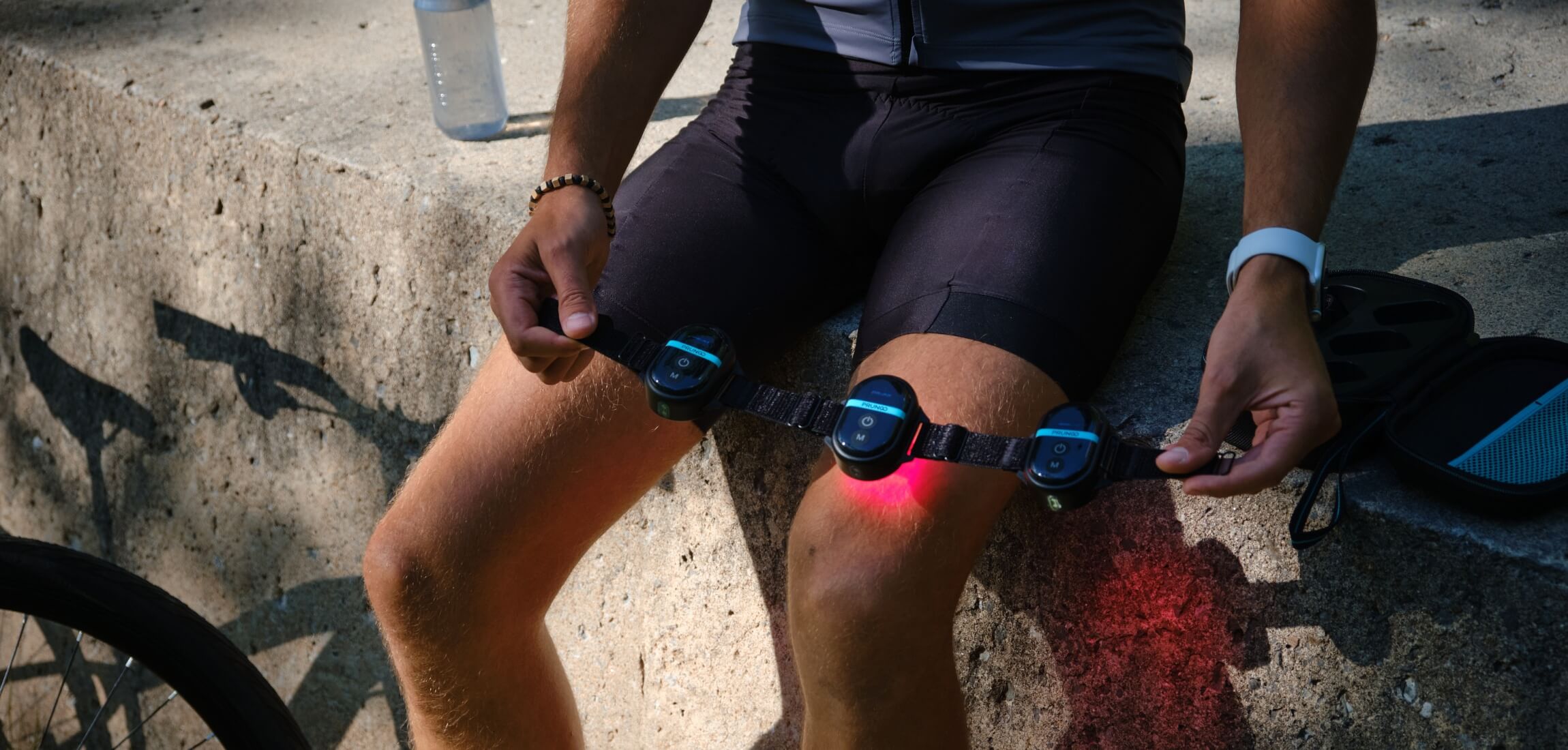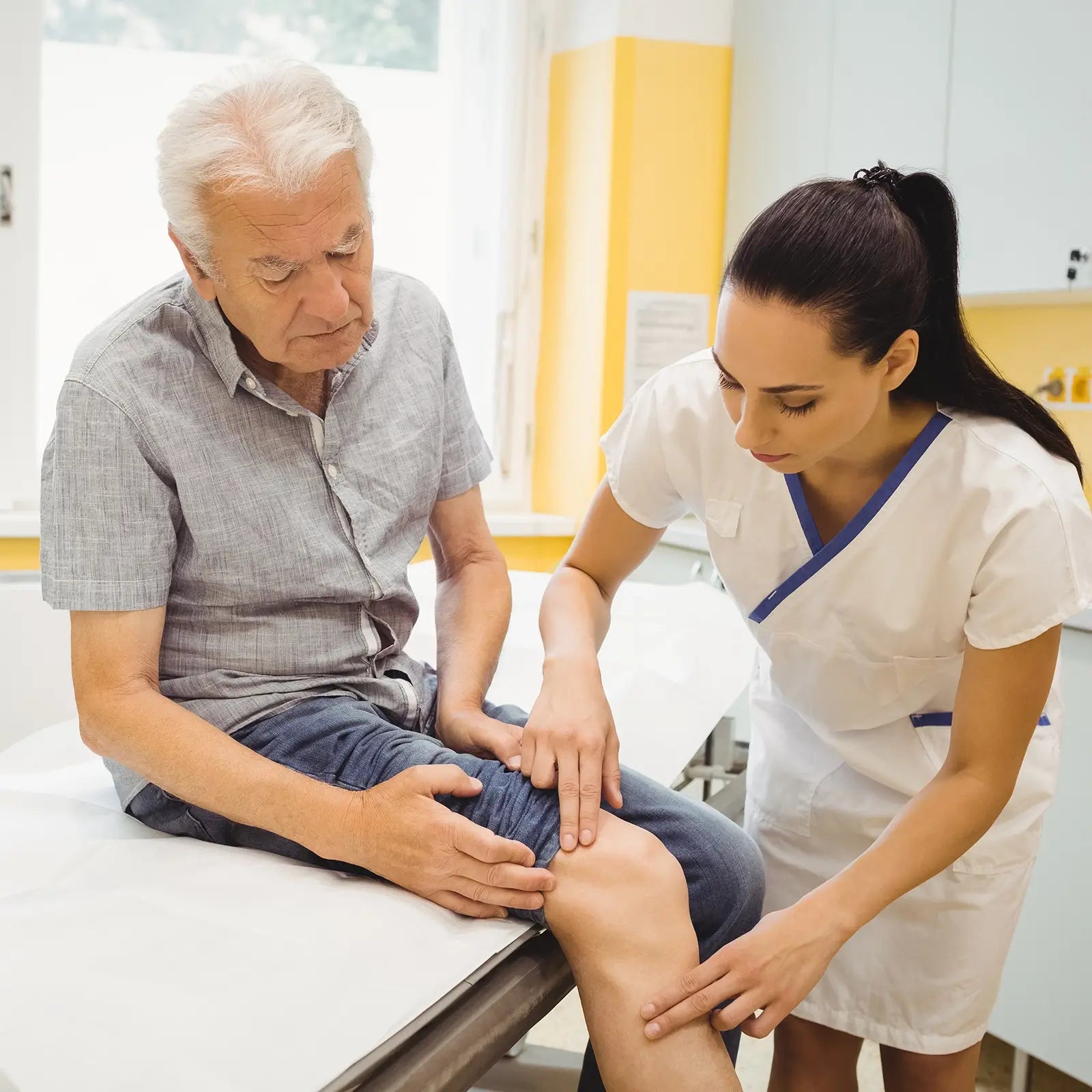
Knee osteoarthritis (OA) is a common condition affecting elderly patients, often leading to pain, stiffness, and limited mobility. In the search for effective treatments, low-level laser therapy (LLLT), particularly medical-grade red light therapy devices, has emerged as a promising alternative. This article explores how LLLT can provide relief for knee OA, highlighting its benefits and practical use at home with FDA-approved devices.

Understanding Knee Osteoarthritis in the Elderly

What is Knee Osteoarthritis

Knee osteoarthritis is a degenerative joint disease that occurs when the cartilage in the knee breaks down, causing pain, swelling, and stiffness. It is more common among the elderly due to the natural wear and tear of joints over time. This condition can significantly impact daily activities, making it difficult for seniors to move freely.

Common Symptoms of Knee OA in Seniors

The most common symptoms of knee OA in seniors include pain during movement, especially when walking or climbing stairs, swelling, and a feeling of stiffness. Over time, these symptoms can worsen, leading to limited mobility and even disability. Proper treatment is essential to manage the condition and improve quality of life.

Risk Factors for Developing Knee OA in Elderly Patients

Several factors increase the risk of developing knee osteoarthritis, including age, family history, obesity, and previous joint injuries. Seniors are especially vulnerable due to the natural aging process, which causes cartilage to break down more quickly. Managing risk factors can help prevent or slow the progression of OA.

The Basics of Low-Level Laser Therapy (LLLT)

What is Low-Level Laser Therapy

Low-level laser therapy (LLLT), also known as red light therapy, involves the use of light to stimulate the body’s cells to promote healing and reduce pain. The therapy uses low-energy lasers or LED lights to penetrate deep into tissues, encouraging cellular regeneration and reducing inflammation. This makes it an effective treatment for knee OA.

How LLLT Works on a Cellular Level

LLLT works by increasing blood flow and oxygenation to damaged tissues, which accelerates healing. The red light stimulates cells called mitochondria, which are responsible for energy production. This process helps to reduce inflammation and promote tissue repair, making it a useful treatment for joint pain and stiffness.

Benefits of LLLT for Tissue Repair

One of the key benefits of LLLT is its ability to speed up tissue repair and regeneration. By stimulating the production of collagen and other healing factors, red light therapy can help repair damaged tissues in the knee joint. This leads to reduced pain, improved joint mobility, and faster recovery from the effects of osteoarthritis.

Medical-Grade Red Light Therapy Devices: What Makes Them Different

Medical-grade red light therapy devices are specifically designed to provide safe, effective treatment for various conditions, including knee osteoarthritis. These devices deliver the right amount of light intensity to target the deeper layers of tissue. FDA-approved red light therapy devices are often used in clinical settings, ensuring they meet safety and performance standards for treating pain and inflammation.

The Role of LLLT in Treating Knee Osteoarthritis

How LLLT Alleviates Pain in Knee OA

One of the primary benefits of red light therapy for knee osteoarthritis is its ability to reduce pain. LLLT works by blocking pain signals and reducing inflammation in the affected area. Regular use of a red light therapy machine can provide long-lasting relief, allowing seniors to enjoy improved comfort and mobility.

Enhancing Joint Mobility with LLLT

LLLT not only alleviates pain but also improves joint flexibility and mobility. By promoting the healing of damaged tissues, red light therapy can reduce stiffness in the knee, allowing seniors to move more freely. This improvement in mobility makes it easier to perform daily tasks, such as walking or climbing stairs, and enhances overall quality of life.

Long-Term Effects of LLLT on Knee OA

Over time, consistent use of red light therapy can lead to long-term improvements in knee osteoarthritis symptoms. By promoting tissue healing and reducing inflammation, LLLT helps slow the progression of OA, providing a sustainable and drug-free solution to managing pain and improving mobility.

Key Benefits of Using Medical-Grade Red Light Therapy Devices

Improved Blood Flow and Circulation

One of the main benefits of medical-grade red light therapy devices is the improvement in blood circulation. The light penetrates the skin, increasing blood flow to the treated area, which helps deliver oxygen and nutrients to damaged tissues. This enhanced circulation accelerates healing and reduces swelling, promoting faster recovery.

Reduced Inflammation and Swelling

Red light therapy is highly effective in reducing inflammation and swelling in the knee joint. By targeting the underlying causes of pain, such as inflammation, LLLT helps reduce the body’s inflammatory response, leading to less swelling and discomfort. This makes it an ideal treatment option for elderly patients with knee OA.

Safe and Non-Invasive Treatment Option for Elderly Patients

Unlike other treatments, such as surgery or injections, red light therapy is a non-invasive and safe alternative. There is no need for incisions or medications, making it an ideal option for elderly patients who may have underlying health conditions. Medical-grade red light therapy devices offer a pain-free way to manage knee OA effectively.

Cost-Effective Alternative to Other Treatment Options

While treatments like surgery or pharmaceuticals can be expensive, red light therapy offers a cost-effective solution for knee osteoarthritis. Portable red light therapy devices allow patients to receive treatment at home, saving on clinic visits and prescription costs. This makes it an affordable long-term option for pain relief.

How to Use Medical-Grade Red Light Therapy Devices for Knee OA

Proper Application Techniques for Maximum Effectiveness

For optimal results, it's important to follow the correct application techniques when using red light therapy at home. Position the red light therapy panel or device directly over the knee, ensuring it covers the affected area. Treatment sessions typically last 10-20 minutes, depending on the device’s power and manufacturer instructions.

Recommended Treatment Duration and Frequency

To experience the best results, it's recommended to use a red light therapy device consistently. Most users benefit from treatments 3-5 times a week. However, the frequency may vary depending on the severity of the condition and the type of device used. Always follow the specific recommendations of your device for optimal results.

What to Expect During and After Treatment

During treatment, you may feel a mild warming sensation, but it’s generally pain-free. After treatment, some people report a reduction in pain and increased mobility. Results may vary, and it’s important to be patient and consistent with the therapy for the best long-term benefits.

Clinical Evidence Supporting LLLT for Knee OA in Elderly Patients

Studies Demonstrating the Effectiveness of LLLT for Knee Pain

Numerous studies have shown that red light therapy can be highly effective in reducing knee pain caused by osteoarthritis. The therapy has been proven to improve joint function and reduce the need for pain medications in elderly patients. Research continues to support the growing body of evidence for its use in managing OA symptoms.

Patient Testimonials and Success Stories

Many patients who have used red light therapy for knee OA report positive outcomes, including reduced pain and improved mobility. Testimonials often highlight how the therapy has helped them regain independence and improve their quality of life without the need for invasive treatments or medications.

Research on Long-Term Outcomes of LLLT for Knee OA

Long-term studies suggest that LLLT can provide lasting relief for knee osteoarthritis. By consistently stimulating healing in the joint, LLLT helps prevent further cartilage degradation and maintains joint function. The long-term benefits of this treatment make it a valuable option for seniors looking to manage their knee OA effectively.

Is LLLT a Viable Treatment Option for All Elderly Patients

Ideal Candidates for LLLT Therapy

LLLT is generally safe for most elderly patients with knee osteoarthritis. However, it’s important to consult with a healthcare provider before starting treatment, especially if you have other health conditions. People with certain medical conditions, such as cancer, may need to avoid red light therapy due to its stimulating effects on cell growth.

Potential Side Effects and Risks

While LLLT is generally considered safe, some patients may experience mild skin irritation or a sensation of warmth during treatment. These side effects are typically temporary and subside after the session. If any discomfort persists, it’s best to consult with your doctor to adjust treatment settings.

Consultations and Medical Supervision

Before beginning red light therapy, it’s essential to consult with a healthcare professional, especially if you have other health concerns. Your doctor can help guide you on the appropriate treatment plan and ensure that LLLT is safe for you to use, particularly if you’re already managing other chronic conditions.

Conclusion:

Low-Level Laser Therapy (LLLT) offers a promising solution for managing knee osteoarthritis in elderly patients. Medical-grade red light therapy devices provide non-invasive yet effective pain relief, helping to improve joint mobility and promote the repair of damaged tissues. If you require broad-area coverage, a Red Light Panel is the ideal choice; it covers a large treatment zone, making it suitable for comprehensive treatment of areas such as the knee joint. Conversely, if your treatment focuses specifically on the face, a Red Light Therapy Mask is designed for targeted facial application, facilitating precise treatment and enhancing results. By consistently using FDA-certified red light therapy devices—such as the PRUNGO FluxGo and PRUNGO FluxGo Lite—you can enjoy long-term health benefits. As an affordable and convenient home-based treatment option, red light therapy is revolutionizing the way knee osteoarthritis is treated and managed.

Latest Stories

لا يتضمن هذا القسم حاليًا أي محتوى. يمكنك إضافة محتوى إلى هذا القسم باستخدام الشريط الجانبي.