


Transcranial Photobiomodulation (tPBM) is a revolutionary therapy that has shown great potential in revitalizing brain health. By using medical-grade red light therapy devices, this technique stimulates the brain and promotes healing at the cellular level. As interest in non-invasive treatments like tPBM grows, more people are exploring how red light therapy can enhance cognitive function and improve mental clarity, especially when using FDA-approved devices for pain management or overall brain health.
What is Transcranial Photobiomodulation (tPBM)
Overview of Transcranial Photobiomodulation
Transcranial Photobiomodulation (tPBM) involves using red light to stimulate brain tissue, helping to restore its normal function. By applying light directly to the skull, the therapy penetrates the brain, encouraging healing at the cellular level. This non-invasive approach helps improve circulation, promote neuroplasticity, and support the brain’s natural recovery process.
How tPBM Works to Stimulate Brain Activity
The process works by using specific wavelengths of light, typically in the red and near-infrared spectrum, which can penetrate the skin and skull. These wavelengths stimulate the mitochondria in brain cells, boosting energy production and improving overall brain function. With consistent use, red light therapy can help reduce inflammation and promote cognitive function.
The Science Behind tPBM and Cellular Healing
At its core, tPBM works by enhancing cellular metabolism and increasing the production of ATP, the energy currency of cells. When the brain cells receive more energy, their performance improves, leading to better cognition, memory, and emotional well-being. The healing effects of tPBM help repair damaged brain tissue and improve overall mental clarity.
Benefits of Using Medical-Grade Red Light Therapy Devices for Brain Health
Enhancing Cognitive Function
Using medical-grade red light therapy devices can boost cognitive performance by increasing the flow of oxygen and nutrients to the brain. This results in sharper focus, faster information processing, and better memory retention. Over time, it helps users experience clearer thinking and heightened mental performance, which is crucial for both everyday activities and complex tasks.
Promoting Neuroplasticity and Memory Recovery
One of the most promising aspects of tPBM is its potential to promote neuroplasticity – the brain's ability to reorganize itself by forming new neural connections. Regular use of red light therapy devices can encourage this process, helping to recover lost memory functions or enhance memory retention in individuals experiencing cognitive decline.
Alleviating Symptoms of Neurological Disorders
Transcranial Photobiomodulation therapy has shown promise in alleviating symptoms of various neurological disorders, such as Alzheimer's disease, Parkinson's disease, and traumatic brain injuries. By stimulating brain activity, tPBM can support long-term recovery and significantly reduce the cognitive impairment associated with these conditions.
Improving Mood and Mental Clarity
Red light therapy also plays a crucial role in improving mental health by reducing symptoms of anxiety and depression. By optimizing brain function, it helps balance mood-regulating neurotransmitters, leading to improved emotional stability. Many users report feeling more energized, focused, and mentally clear after regular tPBM sessions.
How Transcranial Photobiomodulation Improves Brain Circulation
Increasing Oxygen Supply to Brain Cells
tPBM enhances blood circulation in the brain, ensuring that more oxygen and nutrients reach the brain cells. This improved circulation not only helps with cognitive performance but also aids in the overall health of brain tissue, ensuring that the brain functions at its optimal level.
Enhancing Blood Flow and Cellular Repair
Increased blood flow means more efficient removal of toxins and waste products from brain cells, which helps maintain optimal brain health. As blood vessels expand under the influence of tPBM, more nutrients can reach brain cells, promoting faster cellular repair and regeneration.
Supporting Healthy Brain Metabolism
The improved circulation driven by tPBM also supports healthy metabolism within brain cells. By boosting mitochondrial function, this therapy enables cells to generate more energy, which directly contributes to better brain function and a reduction in mental fatigue.
Long-term Brain Health Benefits of Consistent Use
With consistent use of medical-grade red light therapy devices, users can experience long-lasting benefits. Over time, regular tPBM sessions can help prevent cognitive decline, reduce the risk of neurodegenerative diseases, and keep the brain healthy as it ages.
Clinical Applications and Research on Transcranial Photobiomodulation
tPBM for Treating Traumatic Brain Injuries
One of the most significant clinical applications of tPBM is its use in treating traumatic brain injuries (TBI). Studies have shown that red light therapy can accelerate recovery by reducing inflammation and promoting the repair of damaged brain cells, helping TBI patients regain lost functions.
Using tPBM to Manage Neurodegenerative Diseases
tPBM has demonstrated promising results in managing neurodegenerative diseases like Alzheimer’s and Parkinson’s. By promoting brain cell regeneration, it can slow down or even reverse the damage caused by these conditions, offering a non-invasive treatment alternative.
Evidence Supporting tPBM for Stroke Recovery
There is growing evidence that tPBM can aid in stroke recovery by enhancing neuroplasticity and improving motor functions. As the brain recovers, tPBM encourages the development of new pathways, which can help restore lost abilities in stroke patients.
Recent Clinical Trials on tPBM’s Effectiveness
Clinical trials are ongoing to validate the effectiveness of tPBM for various neurological disorders. Early results have shown that medical-grade red light therapy devices significantly improve cognitive function, memory, and emotional stability, opening doors for more widespread use in clinical settings.
How to Use Medical-Grade Red Light Therapy Devices for Brain Health
Best Practices for Safe and Effective Use
For optimal results, it’s important to follow the manufacturer’s instructions when using medical-grade red light therapy devices. Sessions should be done consistently, with appropriate time intervals to avoid overuse. Always ensure that the device is positioned correctly for maximum coverage of the brain area.
How to Choose the Right Device for Transcranial Photobiomodulation
When selecting a red light therapy machine for brain health, it’s crucial to choose an FDA-approved device that emits the correct wavelengths of light for effective penetration. Look for devices designed specifically for brain use, as they ensure safety and optimal therapeutic outcomes.
Recommended Session Length and Frequency
Typically, a session should last between 10 to 20 minutes, depending on the device's power. For consistent results, it’s recommended to perform the therapy 3 to 5 times per week. As with any therapy, patience is key, as benefits will accumulate over time.
Potential Side Effects and Precautions
While red light therapy is generally safe, it’s important to consult a healthcare provider before beginning treatment, especially for individuals with underlying health conditions. Some users may experience mild skin irritation or headache, but these effects are usually temporary.
Case Studies: Real-life Success Stories of tPBM for Brain Health
Case Study 1: Cognitive Enhancement and Memory Improvement
Many users report significant cognitive enhancement after consistent use of red light therapy devices. People suffering from memory loss due to aging or stress have found tPBM helpful in improving focus, memory retention, and mental clarity.
Case Study 2: Reducing Symptoms of Brain Fog
Individuals experiencing brain fog, often caused by stress or sleep deprivation, have found that regular use of red light therapy helps clear mental fog and restore their cognitive abilities, leading to more productive days.
Case Study 3: Neurodegenerative Disease Recovery
Patients with early-stage neurodegenerative diseases have seen improvements in their overall brain function with the use of red light therapy. Many have noticed less cognitive decline and better daily functioning as a result of incorporating tPBM into their routine.
Why Choose Medical-Grade Red Light Therapy Devices?
Benefits of Medical-Grade Devices Over Consumer-Grade Options
Medical-grade red light therapy devices are built with higher power and more precise wavelengths, ensuring more effective results. They are FDA approved, which provides users with added assurance that they are using a safe and reliable treatment option.
How Quality and Power Impact Effectiveness
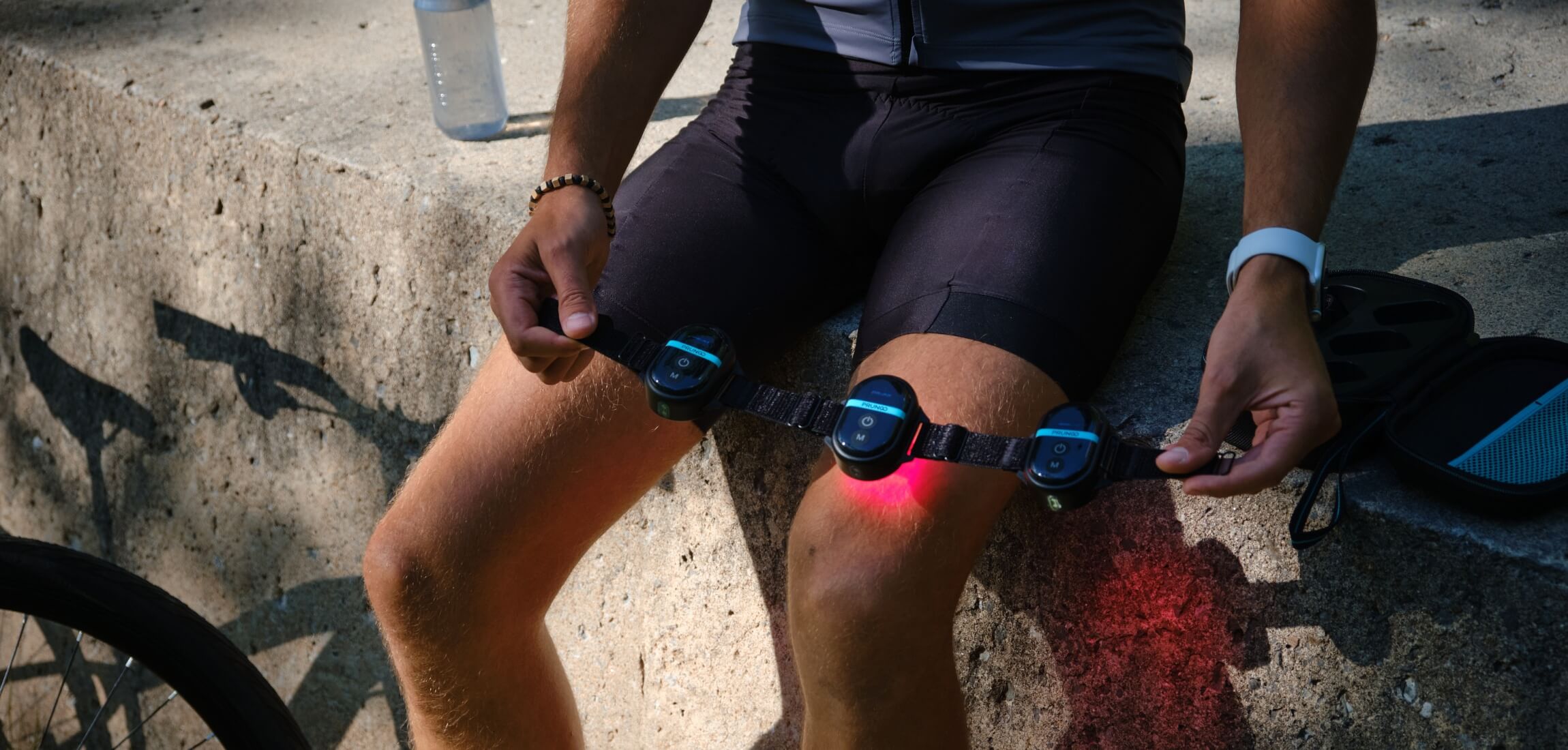
The quality and power of a red light therapy device directly impact its effectiveness. Higher power devices, like the PRUNGO FluxGo and PRUNGO FluxGo Lite, offer deeper penetration, which is essential for brain health and overall therapeutic benefits.
Choosing Devices for Home Use vs. Clinical Settings
When choosing between a portable red light therapy device for home use or a clinical-grade device, consider the intensity and size of the device. For home use, portable options like the PRUNGO FluxGo offer convenience without compromising on power.
Share:
Effective Acne Treatment: Understanding the Science of Red Light Therapy
Exploring Laser Therapy as an Adjunct Treatment for Alcoholism