


Laser therapy has gained attention as an innovative treatment method for a variety of health issues, including addiction. As alcohol use disorder continues to affect millions of people, many are exploring new, effective treatments. One such promising approach is medical-grade red light therapy. This article explores how red light therapy, specifically through FDA-approved devices, is being used as an adjunct treatment for alcoholism recovery.
What Is Laser Therapy for Alcoholism
Understanding Red Light Therapy
Red light therapy involves using low-level lasers or LED lights to penetrate the skin and stimulate cells. The light is absorbed by the body’s tissues, promoting healing and regeneration. For alcoholism, this therapy can support brain health and reduce the physical and mental challenges associated with alcohol addiction.
How Laser Therapy Works in the Brain
Laser therapy’s effects on the brain are profound. When applied to specific areas, it can increase blood circulation and improve cell function in the brain. This stimulation may help repair neural pathways damaged by alcohol abuse, potentially reducing cravings and aiding in the recovery process.
Mechanisms of Alcohol Addiction and How Laser Therapy Might Help
Alcohol addiction alters brain chemistry, often leading to changes in neurotransmitter systems. Red light therapy can help restore balance by influencing neurotransmitters like serotonin and dopamine. By boosting brain function, laser therapy may help individuals regain control over their alcohol use and begin the healing process.
The Science Behind Medical-Grade Red Light Therapy Devices
The Technology Behind Red Light Therapy
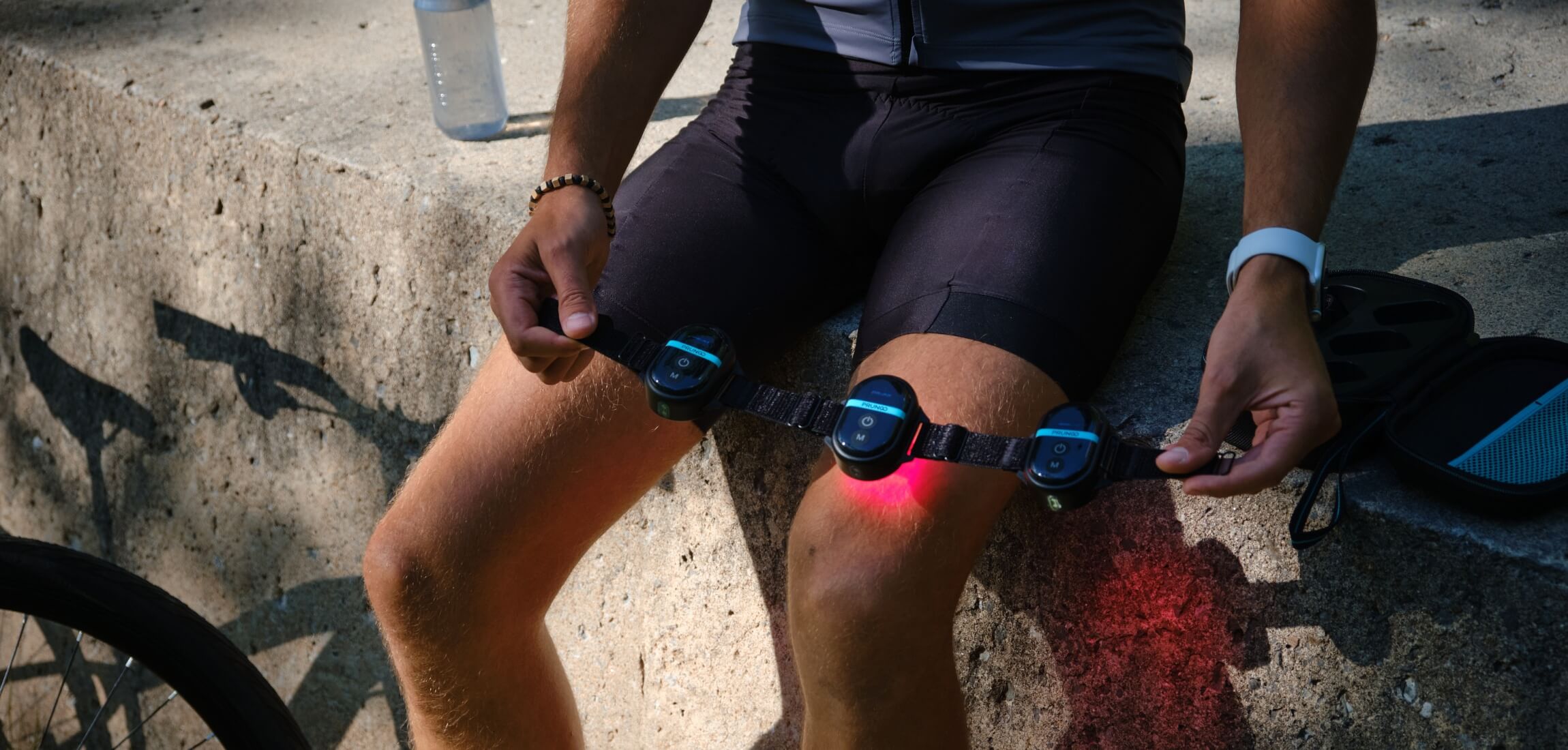
Medical-grade red light therapy devices use specific wavelengths of light that penetrate deep into the body’s tissues. Unlike regular devices, FDA-approved red light therapy machines are built to deliver consistent and effective results. These devices are often portable and can be used at home, offering convenience for users seeking an alternative or complementary treatment for alcoholism.
Effects of Low-Level Laser Therapy on Brain Health
Low-level laser therapy (LLLT) has been shown to enhance cellular activity by stimulating mitochondria, which are responsible for energy production. This effect can boost brain health by improving oxygen flow, which is critical for mental clarity and emotional stability. For people in recovery, maintaining mental and emotional well-being is key to long-term success.
Research Supporting the Use of Laser Therapy for Addiction Treatment
While research on red light therapy for addiction is still evolving, early studies suggest it may be an effective tool in alcoholism treatment. As more research is conducted, the potential for laser therapy to become a mainstream adjunct in addiction treatment increases. It could help fill gaps left by traditional methods, offering a holistic approach to recovery.
Potential Benefits of Laser Therapy in Alcoholism Recovery
Reducing Cravings and Alcohol Consumption
One of the most challenging aspects of alcohol recovery is managing cravings. Red light therapy has been found to help regulate brain chemistry, potentially reducing the urge to drink. By stimulating key areas of the brain, it may make the recovery process easier and less stressful for individuals.
Enhancing Brain Repair and Neuroplasticity
Alcohol use often damages the brain’s structure and function. Red light therapy stimulates neuroplasticity—the brain's ability to reorganize itself by forming new neural connections. This process aids in the repair of brain areas affected by alcohol abuse, which can speed up recovery and improve cognitive function.
Managing Withdrawal Symptoms and Stress
Alcohol withdrawal can be physically and emotionally draining. Laser therapy may help alleviate symptoms such as anxiety, stress, and irritability. By promoting relaxation and calming the nervous system, red light therapy devices can make withdrawal more manageable, which is crucial for maintaining sobriety in the early stages of recovery.
How Laser Therapy Complements Traditional Alcoholism Treatments
Combining Laser Therapy with Detox Programs
Many people seek a comprehensive approach to alcoholism treatment. Red light therapy can complement traditional detox programs by improving the body’s ability to heal and recover. It supports the body’s natural detoxification processes and can be used alongside other treatments, enhancing overall recovery outcomes.
Laser Therapy as Part of a Holistic Treatment Plan
Alcohol addiction recovery is not just physical—it’s also psychological. By integrating laser therapy into a holistic treatment plan, patients can address both the mental and physical aspects of recovery. Red light therapy may help reduce stress and depression, common conditions that accompany alcohol dependence.
Psychological and Emotional Support through Red Light Therapy
While red light therapy primarily focuses on physical recovery, it also offers psychological benefits. The therapy can improve mood, reduce anxiety, and provide a sense of calm. For people recovering from alcohol addiction, emotional stability is essential, and red light therapy may serve as a useful adjunct in maintaining that balance.
Is Laser Therapy Safe for Alcoholism Treatment
FDA Approval and Medical-Grade Device Standards
It’s essential to use FDA-approved red light therapy devices for safety and efficacy. Medical-grade devices are designed to meet strict standards to ensure they work effectively without causing harm. Using FDA-approved devices ensures that individuals receive high-quality treatment, making laser therapy a safe option for alcoholism recovery.
Potential Side Effects and Considerations
As with any treatment, laser therapy has potential side effects. While rare, individuals may experience mild discomfort, skin irritation, or headache. It’s important to follow treatment guidelines and consult with a healthcare provider to ensure the therapy is appropriate for each individual’s needs.
Safety Protocols for Treatment Administration
To maximize the benefits of red light therapy, it’s important to use the therapy under proper guidance. Whether at home or in a clinic, following treatment protocols is essential. When using a portable red light therapy machine at home, users should adhere to recommended time limits and frequencies to avoid overuse and ensure safety.
How to Incorporate Red Light Therapy in Alcoholism Treatment
Treatment Guidelines for Effective Results
For red light therapy to be effective in alcoholism recovery, consistent use is key. Treatment typically involves short, daily sessions using a red light therapy machine. Patients should follow the manufacturer’s guidelines to ensure proper use and optimal results, whether they’re using a red light therapy panel or a portable device.
Home Use vs. Professional Clinic Treatment
While professional clinics offer guided treatment, many individuals are opting for red light therapy at home. Home devices, such as portable red light therapy devices, provide the convenience of daily use. For those seeking privacy and comfort, red light therapy at home full body sessions are a great option.
Duration and Frequency of Red Light Therapy Sessions
The duration and frequency of red light therapy sessions depend on the individual’s needs. Typically, sessions last 10-20 minutes, and users may benefit from 3-5 sessions per week. As a complementary treatment, it’s important to work with a healthcare provider to establish a personalized plan.
The Future of Laser Therapy in Alcoholism Recovery
Ongoing Research and Clinical Trials
The use of laser therapy in addiction treatment is still being explored through research and clinical trials. As studies progress, we may see more evidence supporting its effectiveness in alcoholism recovery. Ongoing trials will shed light on how laser therapy can be optimized to treat alcohol use disorder more efficiently.
The Role of Technological Advancements
Advances in technology are helping to improve the effectiveness of red light therapy devices. Newer models offer greater precision, portability, and ease of use. With the development of more user-friendly and effective devices, such as the PRUNGO FluxGo and PRUNGO FluxGo Lite, more people will be able to access the benefits of laser therapy in their recovery journey.
Potential for Widespread Adoption in Alcoholism Treatment
As more people discover the benefits of laser therapy for alcoholism recovery, we may see widespread adoption in addiction treatment centers and home use. With its potential to reduce cravings, improve brain function, and complement traditional treatments, red light therapy may become an essential tool in the fight against alcohol addiction.
Conclusion
Incorporating medical-grade red light therapy devices into alcoholism treatment holds promising potential. With its ability to enhance brain health, reduce cravings, and improve overall well-being, red light therapy is an excellent adjunct treatment for alcohol use disorder. Whether through professional clinics or convenient home use with devices like the PRUNGO FluxGo and PRUNGO FluxGo Lite, red light therapy offers a holistic approach to recovery. If you’re ready to take the next step in your recovery journey, consider exploring the benefits of red light therapy panels and red light therapy masks to help you regain control of your life.
Share:
Revitalizing Brain Health: Harnessing the Power of Transcranial Photobiomodulation
Unveiling Healing Power: Multiwavelength Photobiomodulation for Tibial and Ankle Fracture Soft Tissue Injuries