Neck pain is a common condition that affects millions of people, often stemming from poor posture, stress, or injury. It can impact daily activities and reduce the quality of life. Finding relief is crucial, and various treatments are available. Among them, red light therapy is becoming a popular and effective solution. Medical-grade red light therapy devices, in particular, offer targeted treatment for neck pain, providing a non-invasive, drug-free option for pain relief. In this article, we will explore the most effective ways to relieve neck pain, with a focus on how red light therapy can play a crucial role in your recovery process.
Causes of Neck Pain
Poor Posture and Sitting Habits
Many of us spend long hours sitting at a desk or looking at screens, often without considering how this affects our necks. Poor posture, such as slumping or craning your neck forward, can place strain on the muscles and joints in your neck. This leads to discomfort, stiffness, and even chronic pain over time. A simple way to combat this is by sitting with a straight back and ensuring that your head is aligned with your spine. Using ergonomic furniture can help prevent neck pain from developing.
Stress and Tension
Stress can have a significant impact on your neck muscles. When you're stressed, your body tends to tighten up, and the neck is a common area for muscle tension to build up. This can cause discomfort, headaches, and stiffness. Reducing stress through techniques like deep breathing, meditation, and regular exercise can help alleviate this type of tension. Additionally, using red light therapy at home can target muscle relaxation and reduce stress-related pain in the neck area.
Injuries and Accidents
Injuries like whiplash, often caused by car accidents, can lead to severe neck pain. These injuries can strain or tear muscles and ligaments in the neck, causing both immediate and long-term pain. Treating neck injuries quickly and effectively is important to avoid chronic issues. Using a red light therapy machine can be beneficial as it stimulates blood flow and promotes faster healing of injured tissues.
Degenerative Disc Disease
As we age, the discs in our spine may begin to deteriorate, leading to conditions like degenerative disc disease. This can cause neck pain and stiffness due to the reduced cushioning between vertebrae. The good news is that medical-grade red light therapy devices can help by promoting the repair of damaged tissues and alleviating pain caused by degenerative conditions. This non-invasive treatment can help improve mobility and reduce discomfort.
Herniated Discs
A herniated disc in the neck occurs when the soft cushion between vertebrae pushes out of place, often pressing on nearby nerves. This can lead to pain, numbness, or weakness in the neck and arms. In such cases, red light therapy for pain can be particularly useful. The therapy targets the area of pain, helping to reduce inflammation and improve circulation, which can speed up the recovery process.
Lifestyle Changes for Neck Pain Relief
Improve Your Posture
Maintaining good posture is key to preventing neck pain. Whether you're sitting at a desk or standing, ensure that your shoulders are relaxed and your neck is aligned with your spine. Avoid slouching and try to keep your head directly above your shoulders. Simple adjustments to your posture can significantly reduce the strain on your neck muscles, preventing pain from developing or worsening.
Take Frequent Breaks
If you're working at a desk or using a computer for long periods, make it a habit to take breaks every 30 minutes. Stand up, stretch, and move around to prevent your neck muscles from becoming stiff. Regular movement helps improve circulation and keeps your muscles from becoming tense. Additionally, using a red light therapy panel during breaks can help relax the muscles and reduce any tightness that might have built up.
Ergonomic Workspace Setup
An ergonomic workspace is essential for avoiding neck pain. Ensure that your computer monitor is at eye level, your chair supports your lower back, and your desk is at a comfortable height. This setup promotes better posture and reduces the strain on your neck and upper back. For added relief, you can also consider using a portable red light therapy device to target areas of tension throughout the day.
Regular Exercise and Stretching
Engaging in regular physical activity, including exercises that strengthen your neck, shoulders, and upper back, can help prevent pain. Stretching exercises are particularly important for maintaining flexibility in the neck and upper spine. By incorporating neck stretches into your daily routine, you can reduce muscle stiffness and improve the range of motion. Red light therapy devices can complement these exercises by accelerating recovery and reducing muscle soreness.
Sleep on a Supportive Pillow
Your pillow plays a crucial role in neck pain prevention. Sleeping on a pillow that supports the natural curve of your neck can help reduce the risk of waking up with stiffness or discomfort. Avoid using overly high or flat pillows, as they can strain the neck muscles. For enhanced recovery, consider using a red light therapy mask before bed to relax your neck muscles and improve sleep quality.
Physical Therapy for Neck Pain
Stretching Exercises
A physical therapist can guide you through specific neck stretches that help improve flexibility and reduce tightness. Stretching the neck muscles can alleviate pain caused by poor posture or muscle tension. Regular stretching not only helps relieve current pain but also prevents future episodes by keeping the muscles flexible and strong.
Strengthening Exercises
Strengthening exercises focus on building the muscles that support the neck and spine. These exercises can help prevent pain caused by weak muscles and improve posture. A physical therapist can recommend exercises to target these muscles, helping you maintain a healthy, pain-free neck. Red light therapy devices can assist in the recovery of these muscles by promoting circulation and healing.
Manual Therapy
Manual therapy, performed by a licensed physical therapist, involves techniques like joint mobilization and soft tissue manipulation. These treatments aim to improve mobility and reduce pain in the neck area. Incorporating red light therapy into your manual therapy treatment can enhance the effects by accelerating healing and reducing inflammation.
Postural Training
Postural training focuses on teaching you how to sit, stand, and move in ways that reduce stress on your neck and back. A physical therapist can help you develop better posture habits, which can prevent neck pain from becoming a chronic issue. Using red light therapy at home can complement this training by helping relax the muscles that might become tense due to poor posture.
Heat and Cold Therapy
Heat therapy helps relax tight muscles, while cold therapy reduces inflammation. Your physical therapist may recommend using these therapies alongside other treatments for neck pain. Red light therapy devices can also be used in combination with heat or cold treatments to promote deeper healing and reduce pain more effectively.
How Red Light Therapy Works for Neck Pain
What is Red Light Therapy?
Red light therapy involves using low-wavelength red light to penetrate deep into tissues, where it stimulates cellular repair and promotes healing. It is a non-invasive treatment that has gained popularity for its ability to reduce inflammation, alleviate pain, and speed up recovery. Medical-grade red light therapy devices are designed to provide targeted relief for conditions like neck pain.
Benefits of Medical-Grade Devices
Medical-grade red light therapy devices are FDA-approved for pain relief and are designed to deliver higher levels of therapeutic light. These devices penetrate deeper into the skin and tissues, offering faster and more effective pain relief. Whether you are dealing with chronic neck pain or recovering from an injury, these devices can provide significant relief.
How Red Light Therapy Reduces Pain
Red light therapy works by increasing blood circulation, which brings more oxygen and nutrients to the affected area. This promotes healing, reduces inflammation, and helps relax muscles. When used on the neck, red light therapy for pain can reduce stiffness, improve mobility, and provide lasting relief without the need for medications or invasive procedures.
Ideal Conditions for Red Light Therapy Use
Red light therapy is particularly effective for conditions like muscle stiffness, chronic pain, and tension. It works best when used consistently over time, providing relief and preventing future pain flare-ups. For neck pain, regular use of a red light therapy machine can significantly reduce discomfort and improve the overall health of your neck muscles.
How to Use Medical-Grade Red Light Therapy Devices
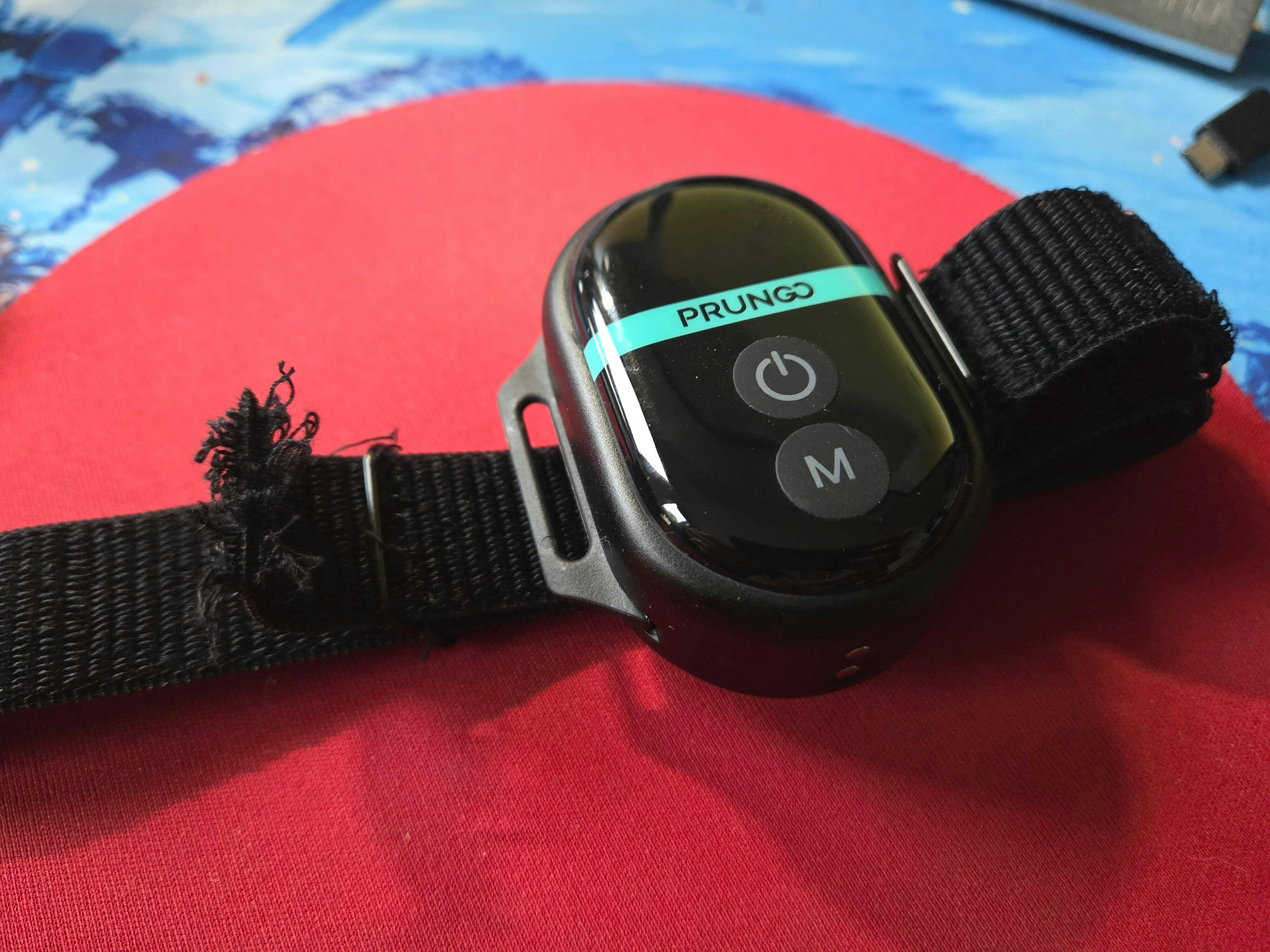
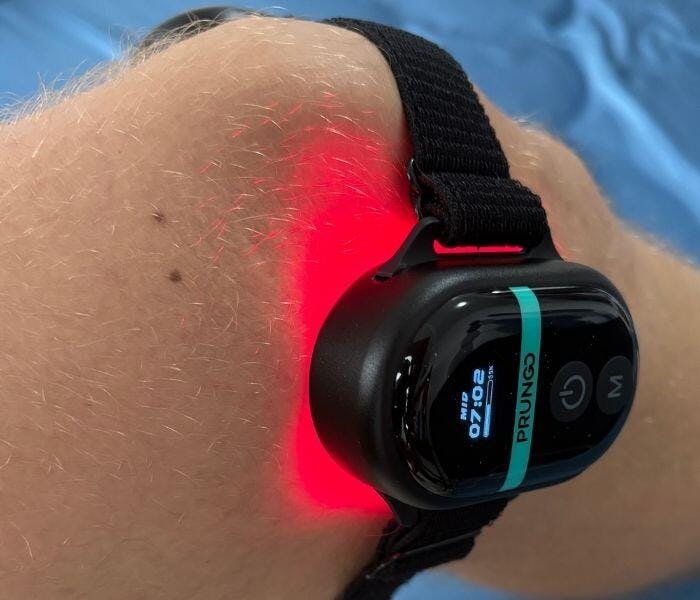
To use a red light therapy device for neck pain, simply position the device close to the affected area and let it shine on the muscles for about 10 to 20 minutes. This can be done daily or as recommended by a healthcare provider. Devices like the PRUNGO FluxGo, a portable red light therapy device, are perfect for at-home use and can be used for full-body or targeted treatments.
Prevention Tips for Long-Term Neck Pain Relief
Regular Physical Activity
Keeping your body active is key to preventing neck pain from recurring. Regular physical activity helps keep muscles strong and flexible, reducing the likelihood of stiffness or strain. Incorporate neck stretches and strength-building exercises into your routine to keep your neck muscles healthy and prevent pain.
Maintain Good Posture
Good posture is one of the simplest and most effective ways to avoid neck pain. Make sure your work and sleep environments support healthy alignment of your neck and spine. Avoid hunching over or looking down for long periods. Red light therapy devices can also help maintain muscle flexibility, preventing tension from building up.
Stay Hydrated
Proper hydration is essential for maintaining the health of your muscles and spinal discs. Dehydration can lead to muscle cramps and tension, making it more likely that you'll experience neck pain. Drink plenty of water throughout the day and make hydration a part of your overall pain management strategy.
Take Frequent Breaks from Technology
With the rise of digital screens, it's more important than ever to take breaks. Extended periods of screen time can cause neck strain, so it's vital to pause and stretch regularly. Red light therapy at home can help ease tension that builds up during these breaks, making it easier to continue your day without discomfort.
Invest in Quality Sleep
Sleep is crucial for muscle recovery. Ensure that your pillow and mattress are supportive and align your neck and spine properly. If neck pain persists, consider using a red light therapy mask before bed to relax your muscles and improve sleep quality.
Conclusion: Finding Relief and Recovery
Neck pain can be a frustrating and debilitating condition, but with the right treatments and lifestyle changes, relief is possible. Medical-grade red light therapy devices offer a powerful, non-invasive solution for pain relief and muscle recovery. By incorporating red light therapy, along with good posture, regular exercise, and stress management techniques, you can keep your neck healthy and pain-free. For those seeking effective at-home treatment, the PRUNGO FluxGo portable red light therapy device is an excellent option. It can help target pain areas and promote healing, whether you're using it for neck pain or full-body therapy. Don't let neck pain control your life—take action with the right tools and strategies, and experience lasting relief with red light therapy.


Share:
Shoulder pain | Causes and treatments
7 Ways to Relieve Shoulder Blade Pain at Home