


Low-level laser therapy (LLLT), often referred to as red light therapy, has gained significant attention for its potential to accelerate healing, especially in the case of bone fractures. This non-invasive therapy uses specific wavelengths of light to promote tissue repair, reduce inflammation, and relieve pain. When applied to wrist and hand bone fractures, it offers an effective solution to optimize the healing process, making it an appealing option for individuals seeking faster recovery. In this article, we will explore how medical-grade red light therapy devices work, their benefits, and how you can use them at home to enhance healing for wrist and hand fractures.
What Is Low-Level Laser Therapy
Understanding the Basics of LLLT
Low-level laser therapy (LLLT), or red light therapy, involves using specific wavelengths of light to stimulate cellular processes in tissues. By targeting the injury site, the therapy encourages cellular regeneration, improves circulation, and reduces inflammation. This therapy does not involve high heat or intense light, making it safe for home use with the right red light therapy devices.
The Science Behind Red Light Therapy
Red light therapy operates on the principle of photobiomodulation. The light penetrates the skin and is absorbed by mitochondria in cells, boosting their energy production. This process enhances tissue repair and speeds up healing. For bone fractures, red light therapy helps increase bone cell activity, promoting faster recovery and reduced swelling.
How LLLT Affects Bone Healing
When applied to bone fractures, red light therapy speeds up the natural healing process by stimulating osteoblast activity—the cells responsible for bone formation. The light also helps improve collagen production, which is essential for tissue repair. For wrist and hand fractures, this means faster bone regeneration and improved mobility.
How Low-Level Laser Therapy Accelerates Bone Fracture Healing
Enhancing Cellular Activity for Faster Recovery
The key to LLLT's effectiveness is its ability to stimulate cells at the injury site. By increasing cellular activity, red light therapy enhances the repair process. This is particularly helpful for wrist and hand fractures, where quick healing is essential for returning to daily activities. Red light therapy helps cells regenerate, contributing to faster recovery times.
Reducing Inflammation and Pain
In addition to promoting cellular regeneration, red light therapy also reduces inflammation around the fracture site. Inflammation is a common cause of pain during bone healing, and by reducing it, LLLT alleviates discomfort, making the healing process more comfortable. Many people use red light therapy for pain relief, as it effectively decreases inflammation and muscle tension.
Stimulating Collagen Production and Bone Growth
Collagen is a vital protein in the healing process, particularly when it comes to bone fractures. Red light therapy promotes collagen synthesis, ensuring that the injured area gets the necessary support to heal. This leads to stronger bone growth and quicker recovery, especially in fractures of the wrist and hand, which require a steady supply of collagen for repair.
Benefits of Using Medical-Grade Red Light Therapy Devices for Bone Fractures
Advanced Technology for Targeted Healing
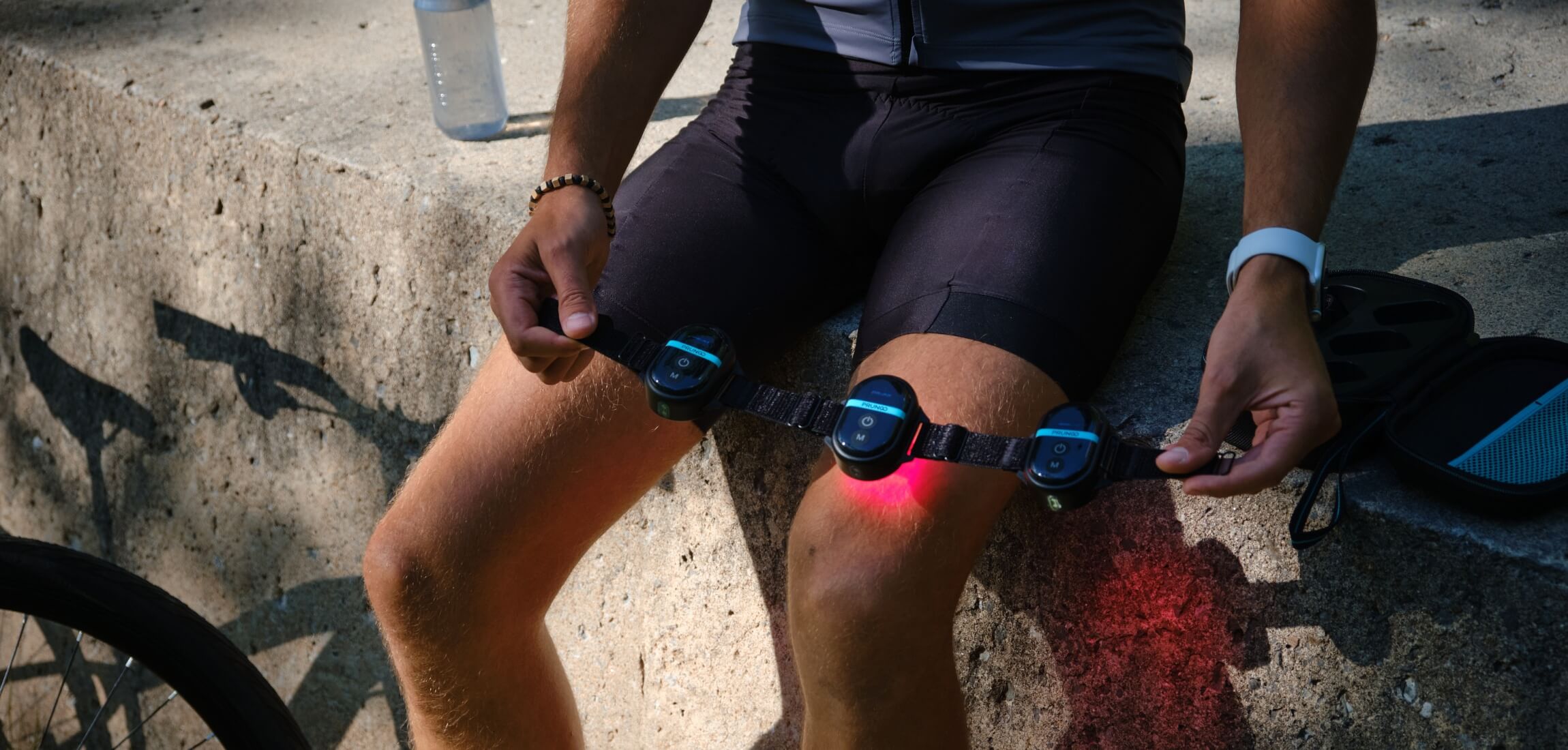
Medical-grade red light therapy devices use advanced technology to deliver the correct wavelength and intensity of light. These devices are designed for precise application, ensuring that the light reaches the injury site effectively. Unlike lower-quality options, medical-grade devices like the PRUNGO FluxGo and PRUNGO FluxGo Lite offer targeted treatment that ensures optimal healing for wrist and hand fractures.
Advantages Over Traditional Healing Methods
While traditional healing methods like casting and surgery are effective, they may not provide the same speed of recovery as red light therapy. Red light therapy is a non-invasive, pain-free treatment that complements traditional methods, accelerating the healing process and reducing the need for pain medications. It is a safe and efficient way to support fracture recovery.
Why Medical-Grade Devices Are Essential for Effective Therapy
When selecting red light therapy devices for bone healing, it’s essential to choose medical-grade products that are FDA-approved. These devices are specially designed to provide the right wavelength and intensity for effective healing. Unlike consumer-grade devices, FDA-approved red light therapy devices for pain, such as the PRUNGO FluxGo, ensure that the therapy is safe and effective for bone fractures.
How to Use Medical-Grade Red Light Therapy Devices for Wrist and Hand Fractures
Step-by-Step Guide for Home Use
Using red light therapy at home is simple with the right equipment. To treat a wrist or hand fracture, place the red light therapy machine at a safe distance from the injury site. Follow the manufacturer's instructions for duration and frequency of sessions. Typically, you will use the device for 10 to 20 minutes per session, several times a week.
Recommended Treatment Duration and Frequency
The treatment duration depends on the severity of the fracture. For most wrist and hand fractures, 10-20 minute sessions two to three times per week are recommended. The frequency may increase depending on your healing progress. Red light therapy for pain relief can be particularly beneficial during the early stages of recovery when inflammation is higher.
Safety Precautions When Using LLLT Devices
While red light therapy is generally safe, it’s important to follow the safety guidelines for use. Ensure that the device is FDA-approved red light therapy for pain and that you’re using it as directed. Avoid direct exposure to eyes and always follow the manufacturer’s instructions regarding distance and duration to prevent any adverse effects.
Clinical Evidence Supporting LLLT for Bone Fracture Recovery
Key Studies on LLLT for Bone Healing
Numerous studies support the effectiveness of low-level laser therapy for bone healing. Research shows that red light therapy can increase the rate of bone regeneration, decrease pain, and reduce inflammation. This makes LLLT a promising complementary treatment for wrist and hand fractures.
Case Studies on Wrist and Hand Fractures
Several case studies have shown the benefits of red light therapy for wrist and hand fractures. Patients using medical-grade red light therapy devices experienced quicker recovery times, less pain, and improved mobility compared to those who didn’t use the therapy.
Testimonials from Patients and Healthcare Providers
Patients who have used red light therapy devices for wrist and hand fractures report positive results, such as faster healing and reduced discomfort. Healthcare providers also acknowledge its benefits, often recommending it as a supplementary treatment to traditional fracture recovery methods.
Choosing the Right Medical-Grade Red Light Therapy Device
Features to Look for in a Quality Device
When selecting a red light therapy machine, it’s important to choose one with the right features, such as adjustable settings for intensity and duration. FDA-approved devices ensure the safety and efficacy of the treatment. A high-quality red light therapy panel or red light therapy mask is also a good option for full-body or localized treatments.
How to Evaluate Device Effectiveness
Not all red light therapy devices are created equal. To evaluate their effectiveness, check for FDA approval and ensure the device uses medical-grade technology. A red light therapy panel, for instance, delivers a broad area of light to accelerate healing, while a portable red light therapy device may be better suited for targeted applications.
Best Practices for Selecting a Red Light Therapy Device for Fractures
When choosing a device for bone fractures, prioritize those with a proven track record for effectiveness in bone healing. Look for FDA-approved red light therapy devices for pain, such as the PRUNGO FluxGo, which provides reliable and targeted treatment for quicker recovery.
Common Misconceptions About Low-Level Laser Therapy for Bone Healing
Is LLLT Only for Severe Fractures
Low-level laser therapy is not just for severe fractures—it’s suitable for all stages of fracture healing. Whether the fracture is minor or severe, LLLT can help accelerate recovery and reduce inflammation, making it a versatile treatment option.
Can LLLT Replace Surgery or Other Medical Treatments
LLLT is not a replacement for surgery but a complementary therapy. It works best alongside traditional treatments like casting or surgery, speeding up the recovery process and reducing pain and inflammation.
Are There Any Risks or Side Effects of LLLT
LLLT is generally safe, with minimal side effects. However, it's important to follow the instructions carefully to avoid overuse. Users should also avoid direct exposure to eyes to prevent any potential harm.
Conclusion
Low-level laser therapy is an effective, non-invasive treatment for wrist and hand fractures, offering a safe and efficient way to accelerate the healing process. By using medical-grade red light therapy devices, such as the PRUNGO FluxGo or PRUNGO FluxGo Lite, individuals can experience faster recovery, reduced pain, and improved bone regeneration. Whether you're treating a minor fracture or recovering from a more severe injury, incorporating red light therapy into your healing regimen can make a significant difference. Try red light therapy at home with FDA-approved devices like the PRUNGO FluxGo, and experience the benefits of faster, more effective healing.
Share:
Unveiling Healing Power: Multiwavelength Photobiomodulation for Tibial and Ankle Fracture Soft Tissue Injuries
Optimizing Recovery: The Role of Laser Therapy in Post-Stroke Rehabilitation