


If you've suffered a distal radius fracture, you're likely looking for effective ways to speed up your recovery. Photobiomodulation therapy (PBMT), commonly known as red light therapy, has gained attention as a promising method for enhancing fracture healing. This therapy uses specific wavelengths of light to promote tissue regeneration and reduce inflammation. In this article, we’ll explore how medical-grade red light therapy devices can aid in distal radius fracture rehabilitation, and how you can incorporate this treatment into your recovery routine.
What Is Photobiomodulation Therapy (PBMT)
Definition and Mechanism of PBMT
Photobiomodulation therapy, or PBMT, involves the use of specific wavelengths of red light to stimulate healing at the cellular level. This light penetrates the skin and targets the mitochondria in your cells, increasing energy production and encouraging the repair of damaged tissues. This helps accelerate the healing of fractures by boosting bone cell regeneration.
How PBMT Differs from Traditional Therapy
Unlike traditional therapies like rest or manual physical therapy, PBMT offers a non-invasive, drug-free alternative that works at the cellular level. While traditional treatments often focus on pain management or physical movement, PBMT directly stimulates biological processes that aid in tissue regeneration and pain reduction.
Key Benefits of PBMT in Fracture Healing
The main benefit of PBMT is its ability to accelerate the healing process by reducing inflammation and promoting faster tissue regeneration. For distal radius fractures, this can mean quicker recovery times and less pain. PBMT also helps improve circulation in the affected area, which can further speed up healing.
The Role of PBMT in Distal Radius Fracture Rehabilitation
Healing Stimulation for Bone Fractures
Red light therapy is particularly effective for stimulating bone healing. The light promotes osteoblast activity, which are the cells responsible for bone formation. This stimulation can lead to faster bone consolidation after a distal radius fracture, shortening recovery time and improving the overall strength of the healed bone.
Enhancing Soft Tissue Recovery Around the Fracture Site
Not only does PBMT help bones heal, but it also supports the recovery of soft tissues such as muscles, ligaments, and tendons around the fracture site. By promoting collagen production and improving blood flow, red light therapy reduces scar tissue formation, enhancing the flexibility and strength of the area once healed.
Reducing Inflammation and Pain Management
One of the most immediate benefits of PBMT for fracture rehabilitation is its ability to reduce inflammation and manage pain. By reducing swelling and promoting the release of endorphins, red light therapy can help alleviate the discomfort associated with healing fractures, allowing for a more comfortable recovery process.
Medical-Grade Red Light Therapy Devices in Fracture Rehabilitation
Why Use Medical-Grade Devices Over Consumer Products
Medical-grade red light therapy devices are designed with specific parameters, such as wavelength and power density, to deliver more effective and deeper tissue penetration. While consumer products might be convenient, they may not offer the same intensity or precision needed for serious rehabilitation. Medical-grade devices, approved by the FDA, ensure you’re receiving optimal treatment for your fracture recovery.
How to Choose the Right PBMT Device for Your Needs
When selecting a red light therapy machine for fracture rehabilitation, look for one that is FDA-approved, portable, and offers a full-body treatment option. You should also consider the device's light wavelength, which should fall within the range of 600-650nm for optimal bone healing. Portable devices are ideal for at-home use, providing convenience without sacrificing quality.
Top Features of Effective PBMT Devices for Bone Healing
Effective red light therapy devices for bone healing should have adjustable intensity settings, a good coverage area, and an optimal wavelength range. FDA-approved red light therapy devices for pain relief are often equipped with safety features such as timers and automatic shut-off mechanisms to ensure consistent and safe treatment sessions.
PBMT for Accelerated Healing Post-Fracture Surgery
Combining PBMT with Post-Surgery Protocols
After surgery, it’s crucial to follow a strict rehabilitation protocol to ensure the best possible recovery. Incorporating PBMT into your post-surgery plan can significantly speed up recovery. The therapy helps reduce swelling and improves the healing of both bone and soft tissues, allowing you to return to your daily activities sooner.
Accelerating Bone Consolidation Post-Surgery
Post-surgery recovery can take time, but PBMT has been shown to enhance bone consolidation after surgery. By stimulating osteoblasts, PBMT accelerates the bone repair process, ensuring the bone heals properly and quickly, thus reducing the risk of complications like delayed union or non-union.
Enhancing Functional Recovery After Surgery
In addition to promoting bone healing, PBMT aids in regaining movement and function after surgery. By alleviating pain and improving circulation, red light therapy helps you regain strength and flexibility in the affected area, making physical therapy sessions more effective.
The Science Behind PBMT and Distal Radius Fracture Recovery
Cellular Mechanisms: How Red Light Affects Bone Cells
Red light therapy works by enhancing mitochondrial function in bone cells, which increases energy production and accelerates the healing of damaged tissues. This process promotes cellular repair, strengthens the bone structure, and encourages faster fracture healing.
Clinical Studies Supporting PBMT for Fracture Healing
There is a growing body of evidence supporting the use of red light therapy for bone healing. Studies have shown that red light therapy increases the rate of bone formation and helps reduce pain and inflammation, making it an effective tool for managing fractures.
Safety and Efficacy of PBMT in Fracture Rehabilitation
PBMT has been proven to be both safe and effective when used properly. FDA-approved devices ensure that patients receive treatment within safe guidelines, and the risk of side effects is minimal. It’s a non-invasive, drug-free alternative that has shown promising results in fracture rehabilitation.
How to Integrate PBMT into Your Rehabilitation Routine
Recommended Treatment Schedules
For optimal results, red light therapy at home can be done for about 10-20 minutes per session, 3-5 times per week. Depending on the severity of your fracture and your recovery progress, your healthcare provider may recommend adjusting the frequency and duration.
Combining PBMT with Other Rehabilitation Therapies
While PBMT is a powerful tool for fracture healing, it works best when combined with other rehabilitation therapies like physical therapy. The combination of therapies helps restore full function and strength to the affected area faster than relying on a single treatment modality.
Monitoring Progress During PBMT Treatment
It’s essential to track your recovery progress while using PBMT. You should consult with your healthcare provider regularly to assess healing. If you notice any signs of complications or changes in pain levels, adjust the treatment schedule as needed.
Potential Risks and Considerations for PBMT in Fracture Healing
Possible Side Effects of Red Light Therapy
Red light therapy is generally considered safe, but some individuals may experience mild side effects such as redness or warmth in the treated area. These effects are usually temporary and subside shortly after the session. If side effects persist, consult with your healthcare provider.
Contraindications and Who Should Avoid PBMT
While red light therapy is safe for most individuals, it is not recommended for those with light sensitivity or certain medical conditions like cancer. Always check with your doctor before starting PBMT, especially if you have any concerns or pre-existing conditions.
Understanding the Limitations of PBMT
Although PBMT can significantly enhance the healing process, it’s important to understand its limitations. It works best when used as part of a comprehensive rehabilitation plan, and while it speeds up recovery, it does not replace the need for physical therapy or other medical treatments.
Conclusion
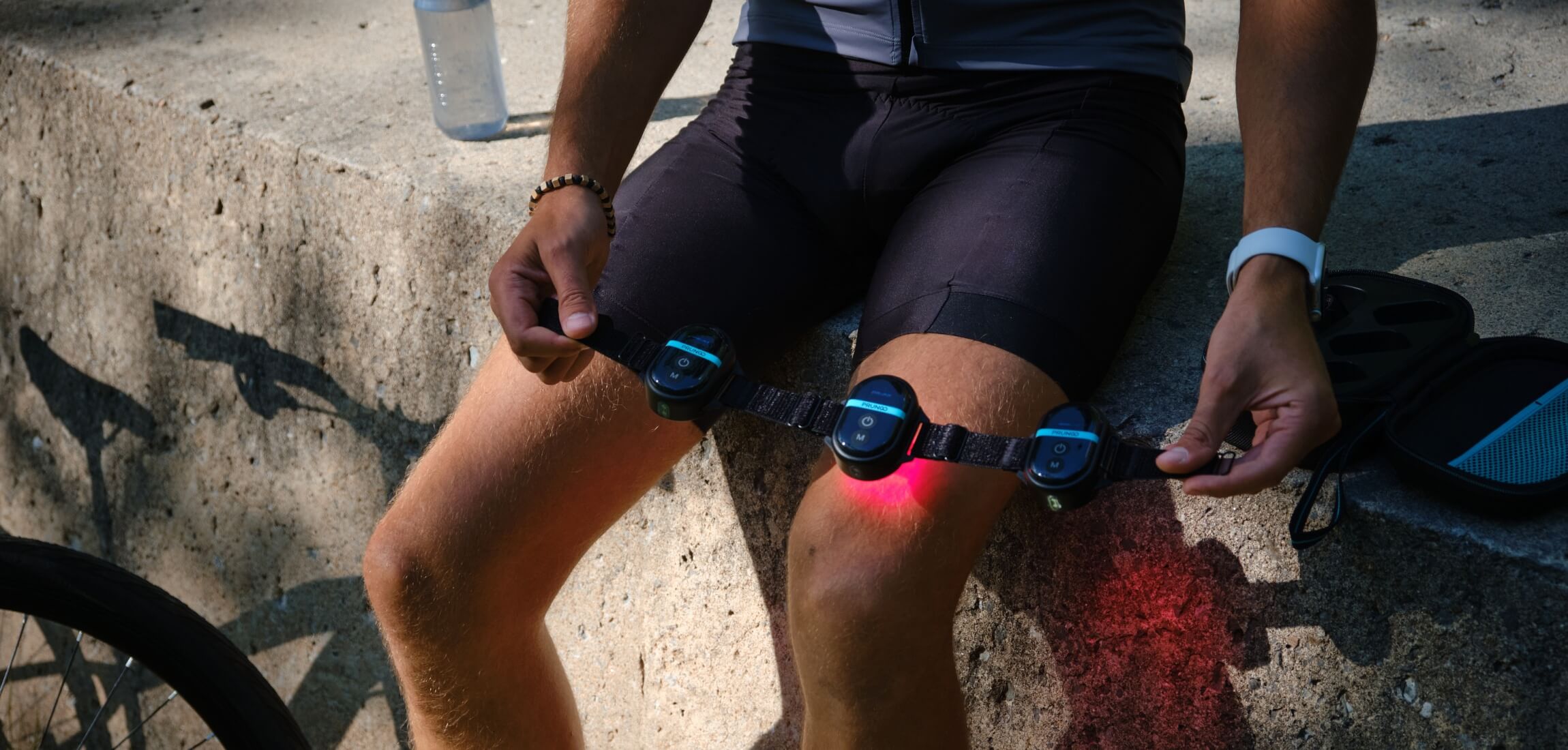
Photobiomodulation therapy offers an effective, non-invasive treatment option for those recovering from distal radius fractures. By incorporating FDA-approved red light therapy devices into your rehabilitation routine, you can accelerate healing, reduce pain, and enhance soft tissue recovery. Whether you’re using a portable red light therapy device at home or opting for a full-body red light therapy panel, it’s important to follow a structured treatment plan for the best results. If you're ready to take your recovery to the next level, consider trying the PRUNGO FluxGo for a portable and efficient solution that integrates seamlessly into your routine. Our red light therapy mask and red light therapy panel can also help maximize your recovery process. Take control of your healing journey today!
Share:
Unveiling the Science Behind Red Light Therapy for Post-COVID Hair Loss
Effective Acne Treatment: Understanding the Science of Red Light Therapy