Low back pain and depression are two of the most common conditions affecting people in the United States. Chronic pain can significantly impact your daily life, and depression often accompanies it, making it difficult to manage both. While traditional treatments such as medication and physical therapy are effective for some, many are now turning to alternative therapies like photobiomodulation (PBM). Red light therapy, in particular, has shown promise as a non-invasive, natural solution for both conditions. This article will explore the potential benefits of PBM, particularly through the use of medical-grade red light therapy devices, for treating low back pain and depression.
Understanding Low Back Pain and Depression
The Prevalence of Low Back Pain in the U.S.
Low back pain is one of the leading causes of disability in the U.S., affecting millions of adults every year. It can result from various factors such as poor posture, muscle strain, or degenerative disc disease. Many people experience chronic pain, which significantly limits their mobility and quality of life. Traditional treatments such as pain medication and physical therapy often offer only temporary relief, leading many to seek alternative solutions like red light therapy.
Depression: A Growing Mental Health Crisis
Depression is a widespread mental health issue, affecting approximately 1 in 6 Americans at some point in their lives. Often linked with chronic pain, depression can make it even harder for individuals to cope with daily challenges. The constant struggle with pain and the inability to find effective solutions can lead to feelings of helplessness. Red light therapy is emerging as a promising method for addressing both conditions simultaneously.
How These Conditions Interact
Chronic pain and depression frequently create a vicious cycle. Pain can lead to poor sleep, anxiety, and hopelessness, which in turn exacerbates feelings of depression. This cycle is difficult to break without effective intervention. Photobiomodulation, particularly through the use of red light therapy devices for pain relief, has shown the potential to alleviate both pain and the symptoms of depression.
What Is Photobiomodulation (PBM)
A Brief Overview of PBM Therapy
Photobiomodulation (PBM) is a therapy that uses low-level light to stimulate healing at the cellular level. It works by penetrating the skin and promoting increased circulation, reduced inflammation, and tissue regeneration. PBM therapy can be performed using red light therapy machines, which are widely available for home use. Many people now prefer red light therapy at home to avoid frequent doctor visits.
Types of Light Therapy Used in PBM
PBM therapy can be administered through different light sources, including LEDs and lasers. The key is using specific wavelengths of light, typically in the red or near-infrared spectrum, to reach tissues deep beneath the skin. Red light therapy devices, including portable red light therapy options, are effective in delivering these wavelengths safely and non-invasively.
Medical-Grade Red Light Therapy Devices Explained
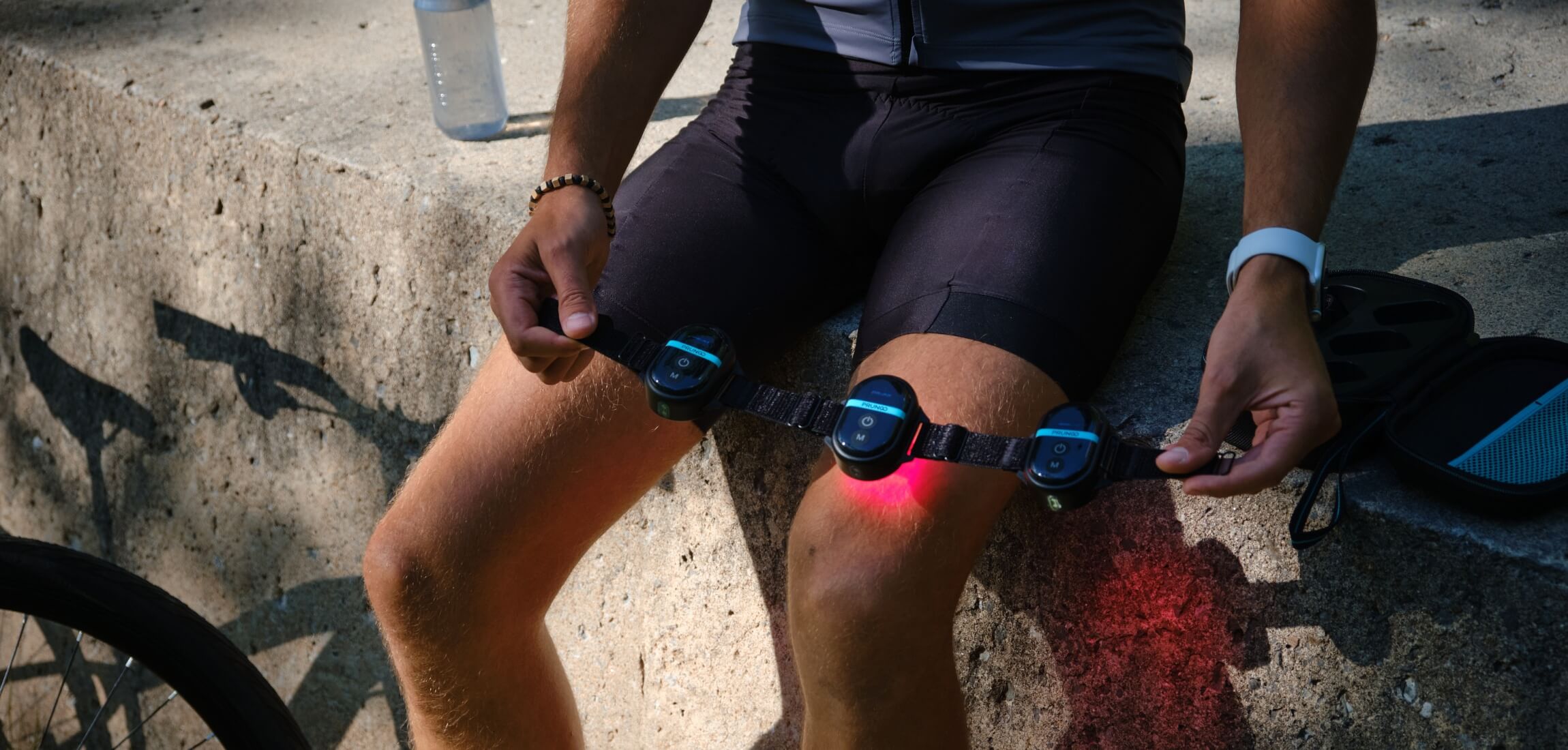
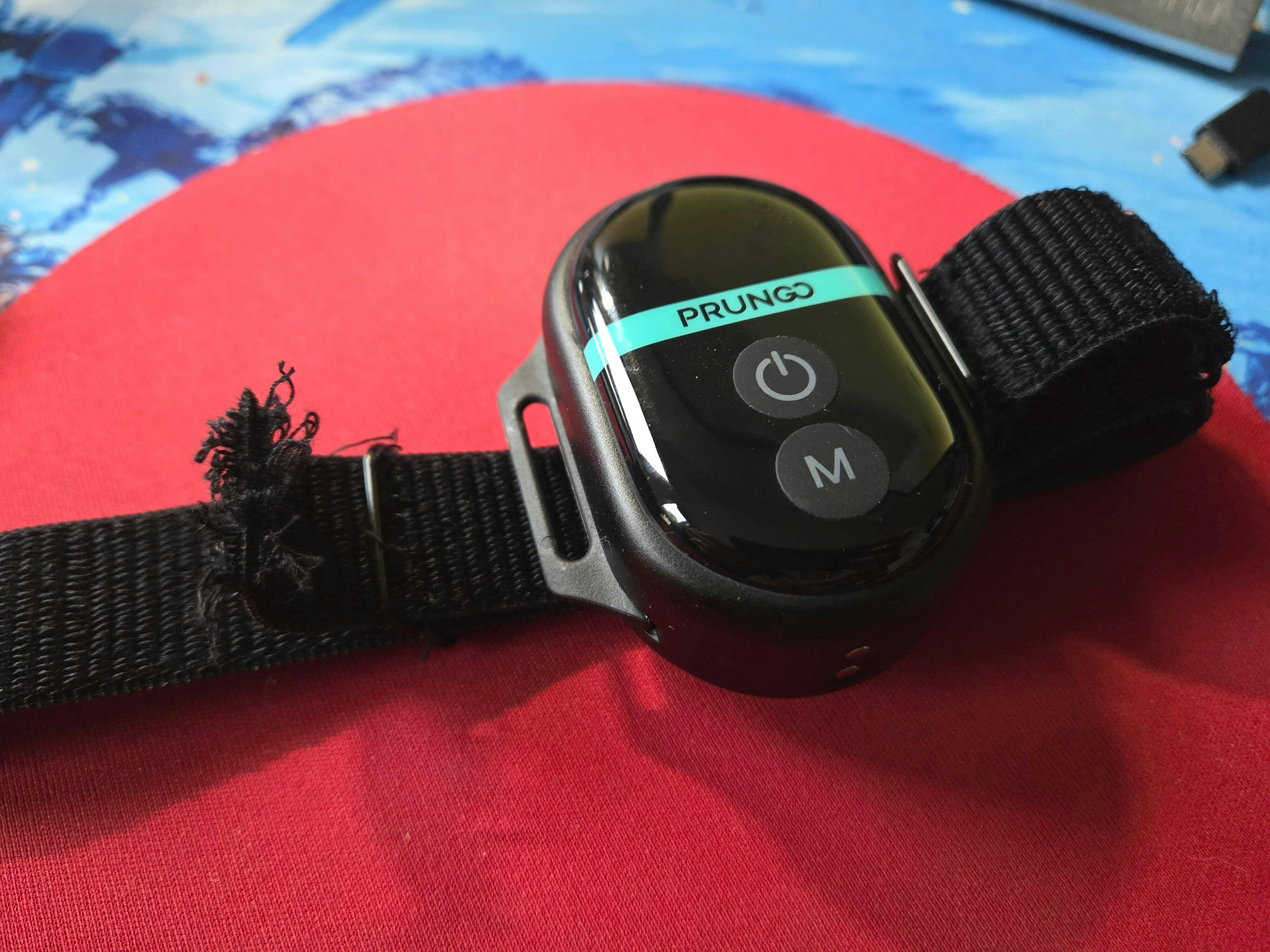
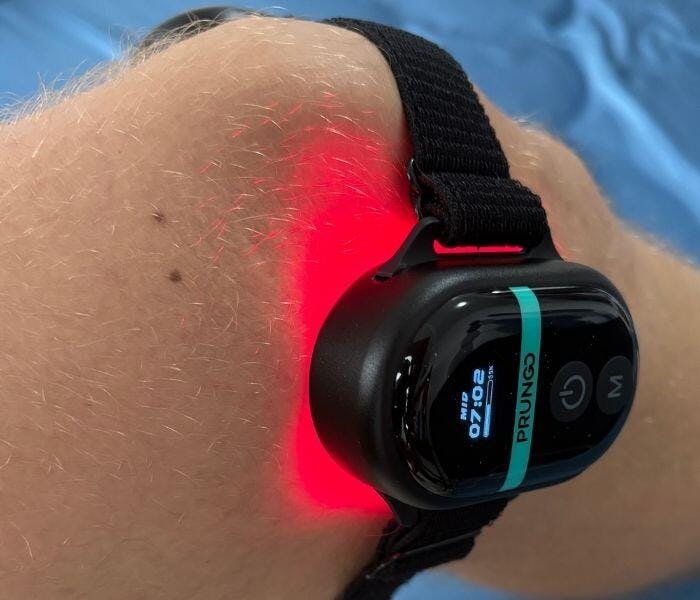
For optimal results, it’s essential to use medical-grade red light therapy devices. These devices are specifically designed to deliver the right amount of light to target pain, inflammation, and mood issues. FDA-approved red light therapy devices for pain, such as the PRUNGO FluxGo and PRUNGO FluxGo Lite, are engineered to meet high standards of quality and safety, ensuring you get the best therapeutic outcomes.
The Science Behind Photobiomodulation for Low Back Pain
Mechanism of Action for Pain Relief
Red light therapy has been shown to reduce inflammation and promote healing in tissues, which is critical for managing low back pain. The therapy stimulates cellular processes like mitochondrial function, helping to increase energy production in damaged cells. This leads to faster healing of muscle and soft tissue injuries, reducing pain and discomfort.
Studies Supporting PBM for Low Back Pain
Numerous studies have highlighted the effectiveness of red light therapy for pain management. Red light therapy for pain works by targeting the root causes of discomfort, including muscle tension, inflammation, and joint issues. Many users report noticeable relief after just a few sessions, making it a viable alternative to pain medications or invasive treatments.
Advantages Over Traditional Treatments
One of the key benefits of red light therapy is that it is non-invasive and drug-free. Unlike pain medications, which can come with side effects and the risk of addiction, red light therapy provides relief without the need for drugs. Medical-grade red light therapy devices can be used in the comfort of your home, offering convenience and long-term benefits.
The Role of Photobiomodulation in Alleviating Depression
PBM’s Impact on Brain Chemistry
Red light therapy also shows promise in the treatment of depression by promoting changes in brain chemistry. The therapy helps increase the production of serotonin and dopamine, which are neurotransmitters responsible for mood regulation. This can help lift the mood of individuals suffering from depression, providing a natural alternative to antidepressant medications.
The Psychological Benefits of PBM
In addition to boosting serotonin levels, red light therapy helps reduce symptoms like fatigue, irritability, and anxiety. Many people report feeling more energized and less stressed after using red light therapy at home. The ability to relax and recharge both physically and mentally makes it an appealing option for managing depression.
Clinical Evidence of PBM for Depression
While research on red light therapy for depression is still ongoing, early clinical trials show promising results. Participants who used FDA-approved red light therapy devices for depression reported improvements in mood, energy levels, and overall well-being. This makes red light therapy a promising tool for those seeking a natural way to manage depression.
How Medical-Grade Red Light Therapy Devices Are Changing Pain and Depression Management
The Advancements in Red Light Therapy Technology
Advancements in red light therapy technology have made it more accessible than ever before. Medical-grade devices are now designed to be more effective, portable, and user-friendly. The PRUNGO FluxGo and PRUNGO FluxGo Lite, for example, are lightweight and easy to use at home, allowing for full-body treatment and targeted therapy for pain and depression.
Comparing Professional Devices vs. Consumer Products
While consumer-grade red light therapy devices are available, they often lack the intensity and precision required for effective treatment. Medical-grade devices, such as those approved by the FDA, deliver higher power output and specific wavelengths to ensure you’re receiving maximum therapeutic benefits.
How to Choose the Right Medical-Grade Device
When selecting a red light therapy device, it’s crucial to choose one that is FDA-approved for both safety and efficacy. Look for devices like the PRUNGO FluxGo that offer specific wavelengths for pain relief and mood improvement. Ensure that the device provides coverage for both localized pain and full-body treatment to address depression as well.
How to Use Red Light Therapy for Low Back Pain and Depression
Treatment Protocols for Low Back Pain
For low back pain, it’s essential to use red light therapy on the affected area. Begin with short sessions of 10-20 minutes a day, focusing on the lower back region. Over time, increase the duration as needed, but always follow the guidelines provided with your device for safe and effective use.
Red Light Therapy for Depression: How Often and How Long
For depression, red light therapy sessions should focus on the head and neck area to stimulate mood-regulating neurotransmitters. Typically, 10-20 minute sessions, 3-5 times a week, are recommended. Consistent use is key to noticing improvements, and over time, you may experience better sleep and reduced anxiety.
What to Expect During Treatment
During red light therapy sessions, you may feel a gentle warmth or mild tingling sensation. Most users experience no discomfort, and some even report feeling more relaxed and energized after a session. The treatment is non-invasive and can be done in the comfort of your home with a portable red light therapy device.
Potential Side Effects and Safety Considerations
Is Red Light Therapy Safe
Red light therapy is generally considered safe, with few reported side effects. It is non-invasive, and because it uses low-level light, the risk of injury is minimal. However, it’s essential to follow the manufacturer’s guidelines and avoid direct exposure to the eyes without protective eyewear.
Possible Side Effects to Be Aware Of
While side effects are rare, some users may experience mild skin redness or irritation after a session. If this occurs, reduce the duration of treatments and consult with a healthcare professional. Always ensure you are using FDA-approved red light therapy devices for maximum safety.
Who Should Avoid Red Light Therapy
Pregnant women, individuals with certain skin conditions, or those using medications that increase light sensitivity should consult a doctor before using red light therapy. It’s always advisable to get medical advice if you have concerns.
Conclusion
Red light therapy is quickly becoming a go-to treatment for both low back pain and depression. With the ability to improve pain relief and mood, medical-grade red light therapy devices are making a significant difference in the lives of many. Whether you’re looking for targeted pain management or a holistic way to alleviate depression, using FDA-approved red light therapy devices like the PRUNGO FluxGo and PRUNGO FluxGo Lite offers convenience and effectiveness. These devices provide everything you need for a full-body experience or focused treatment on specific areas. Don’t let pain or depression control your life—explore the benefits of red light therapy today with PRUNGO’s advanced solutions, including the red light therapy panel and red light therapy mask.


Share:
7 Ways to Relieve Shoulder Blade Pain at Home
Exploring Near-Infrared Light Therapy for Restless Legs Syndrome