


Consumer Trends in the Red Light Therapy Market: Preferences and Insights
Over the past few years, the red light therapy market has seen substantial expansion thanks to its various uses in skincare, pain management, and overall well-being. The rise in demand can be linked to the growing awareness among consumers and the availability of portable red light therapy devices. This piece explores the most recent consumer behaviors, choices, and perspectives within the red light therapy sector, offering valuable information for both consumers and industry professionals.
Understanding Red Light Therapy
Red light therapy, also known as RLT, employs low wavelength red light to address various skin concerns, including wrinkles, scars, and stubborn wounds, among other ailments. When it comes to managing pain, red light therapy is instrumental in alleviating inflammation and improving mitochondrial function in cells. This minimally invasive treatment is not only gaining popularity among healthcare practitioners but also among individuals who are passionate about fitness and individuals in search of effective anti-aging remedies.
Shift Towards Portable Devices
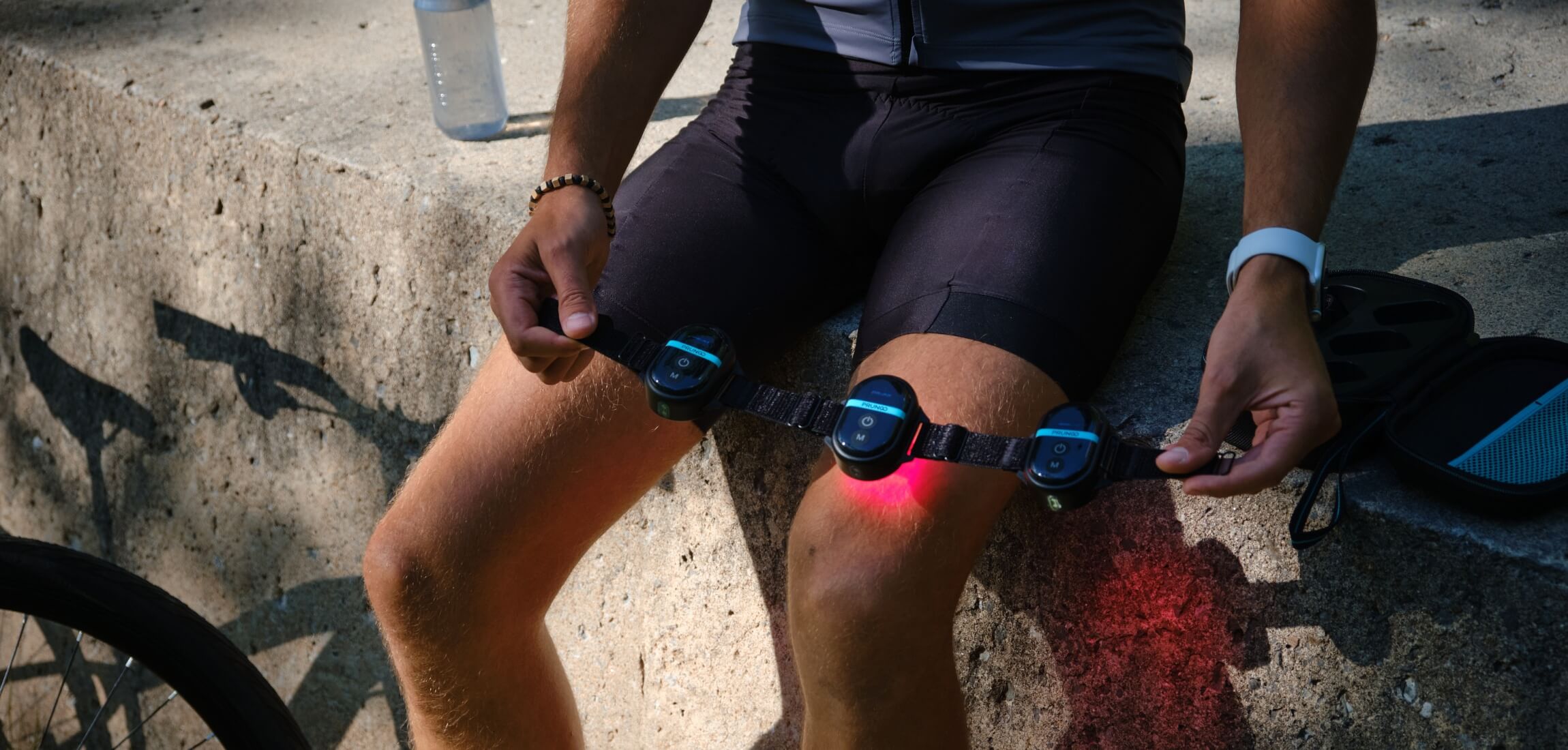
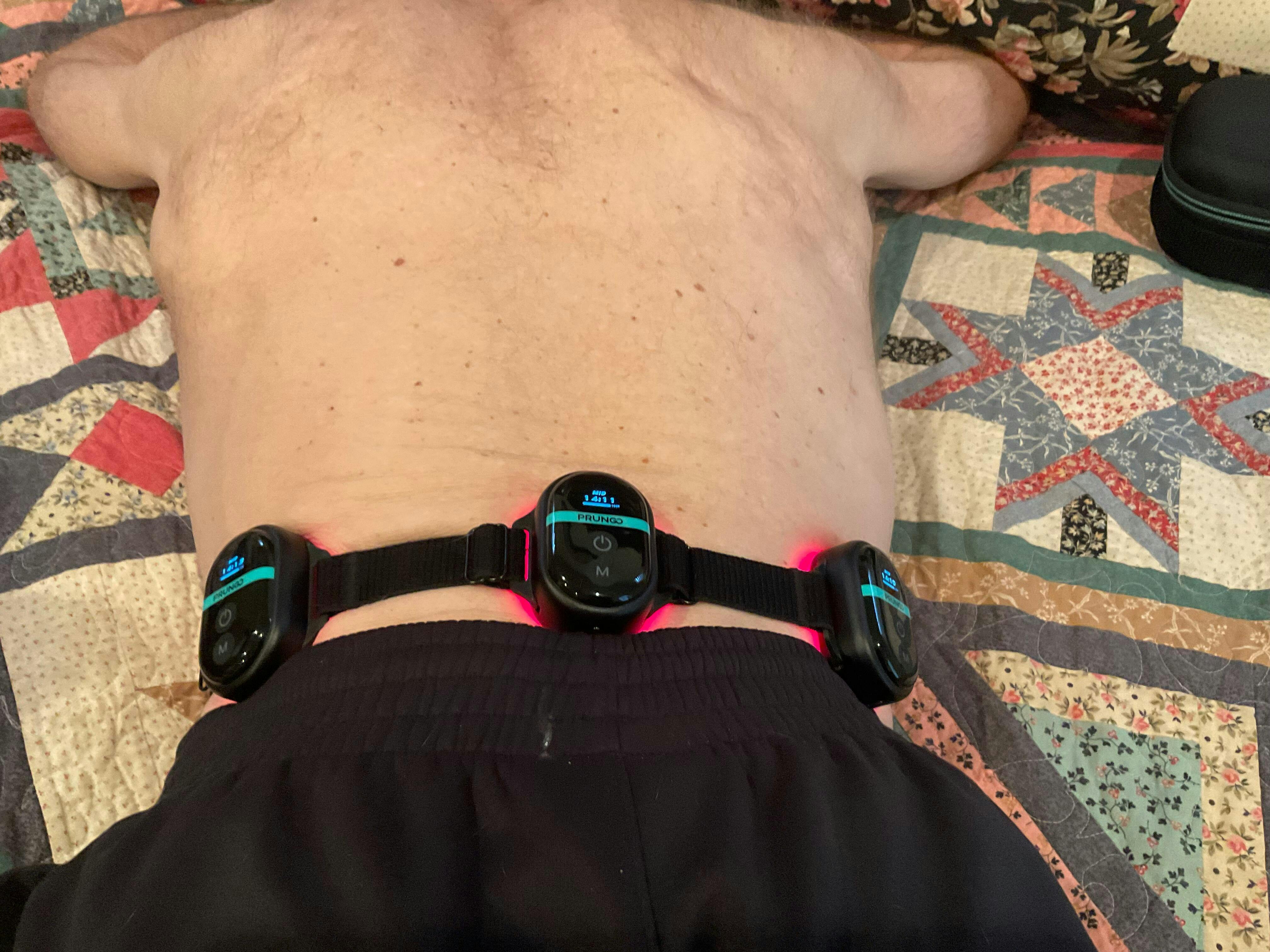
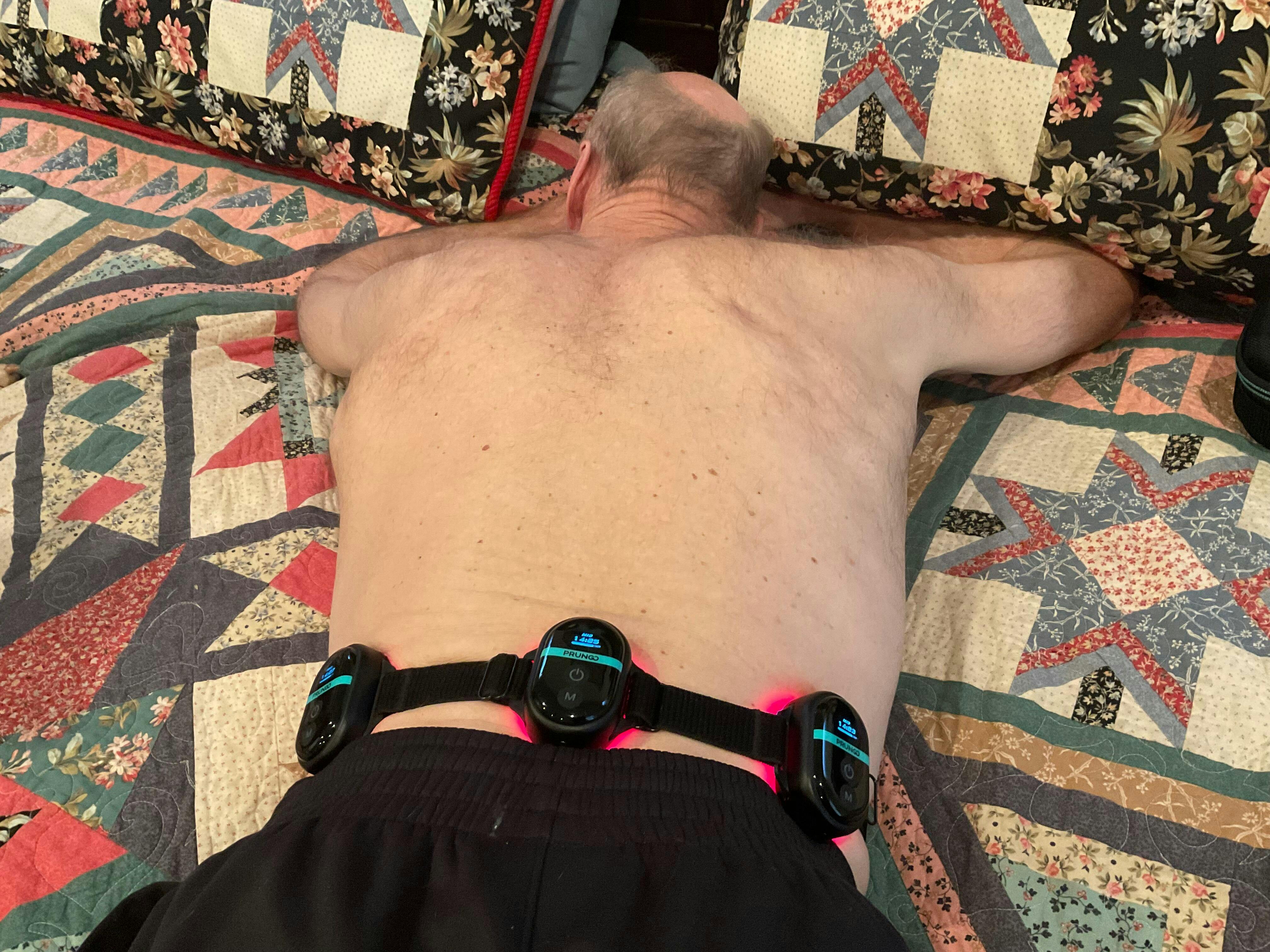
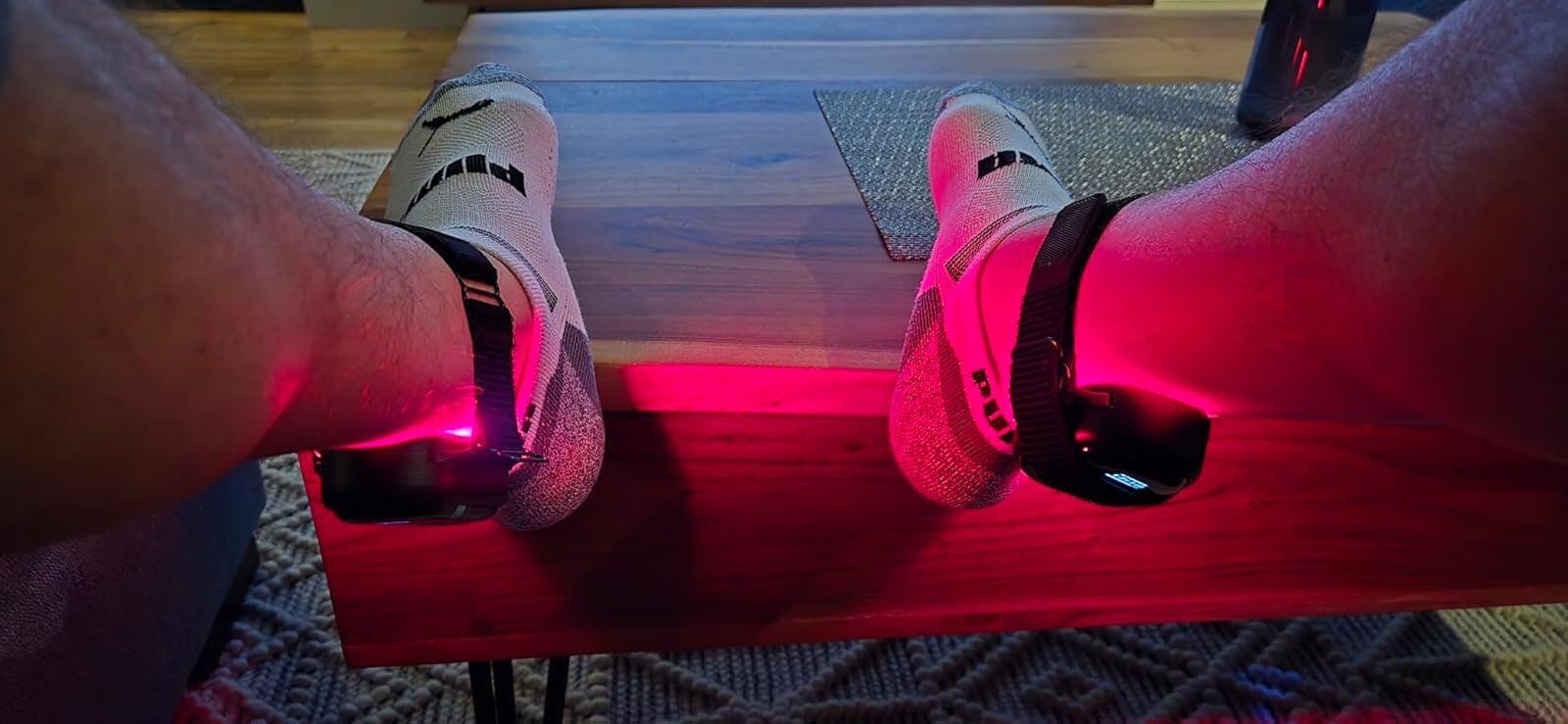
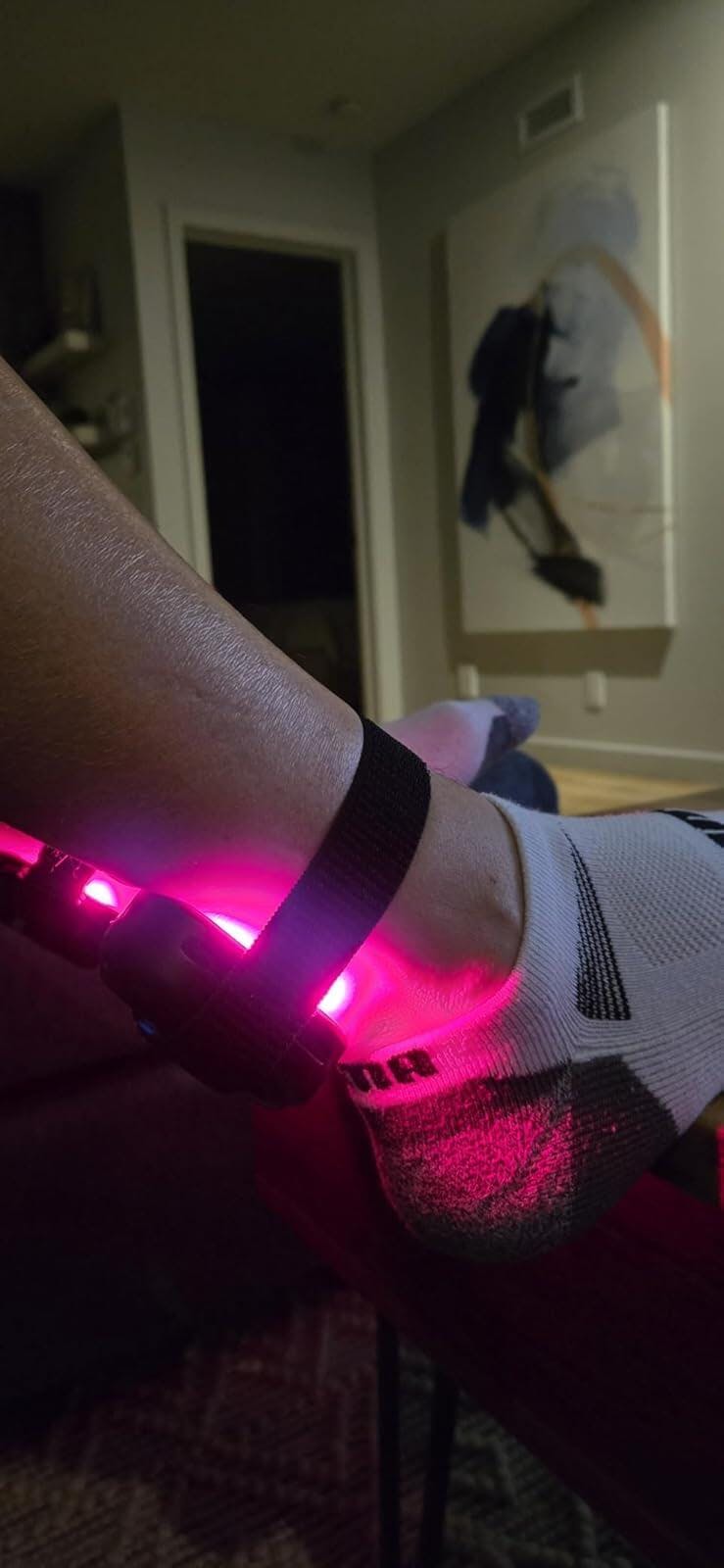
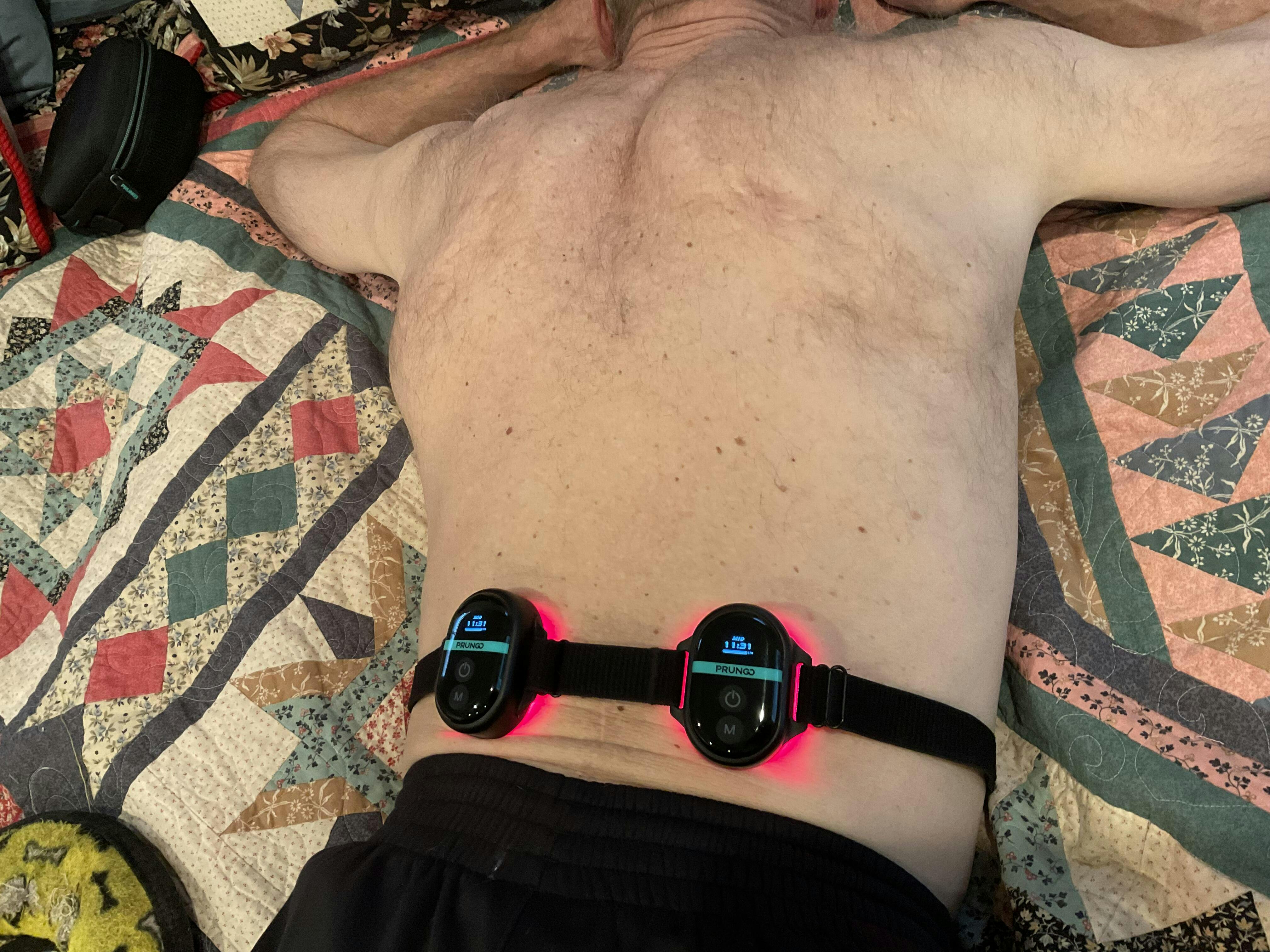
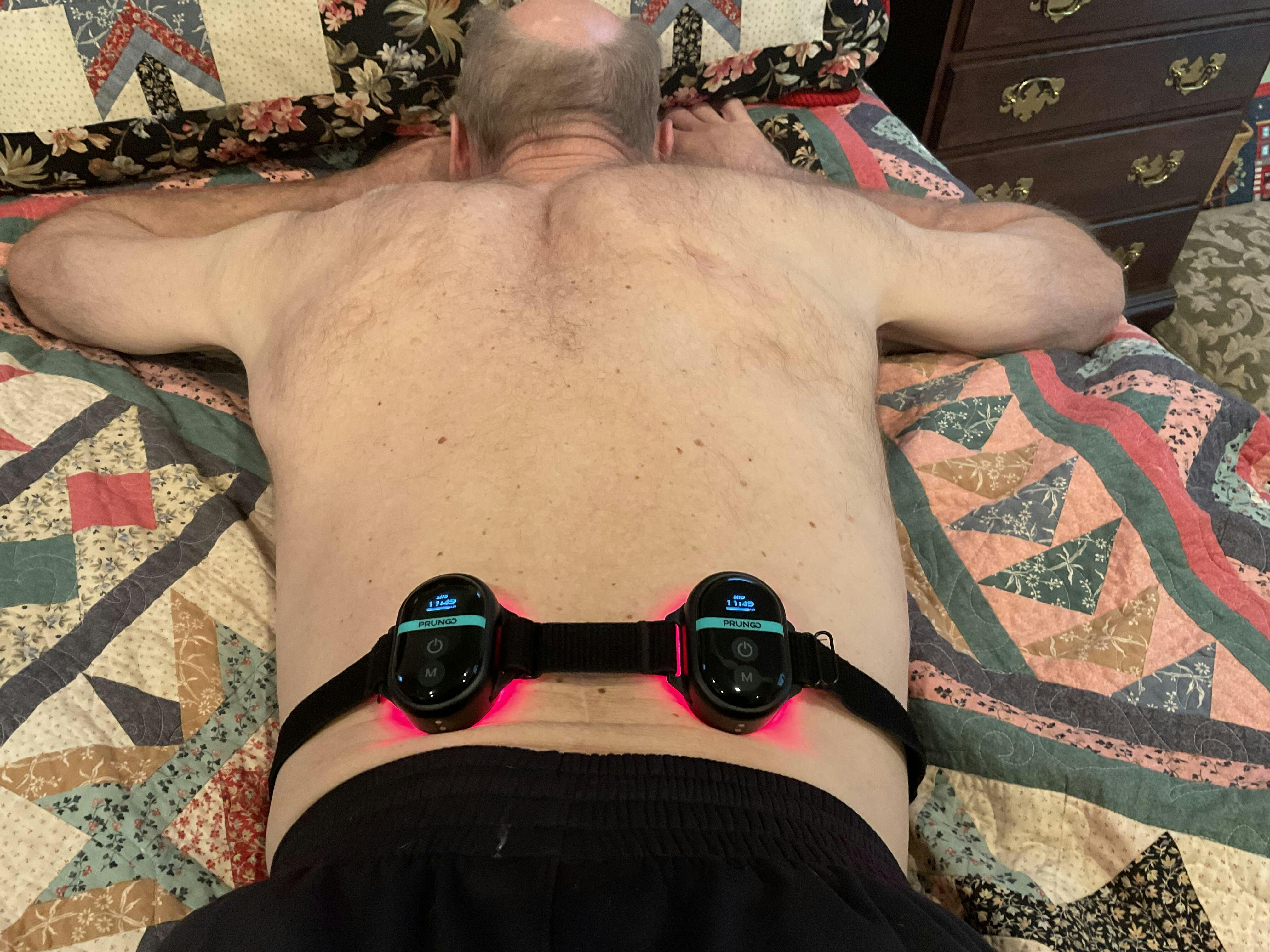
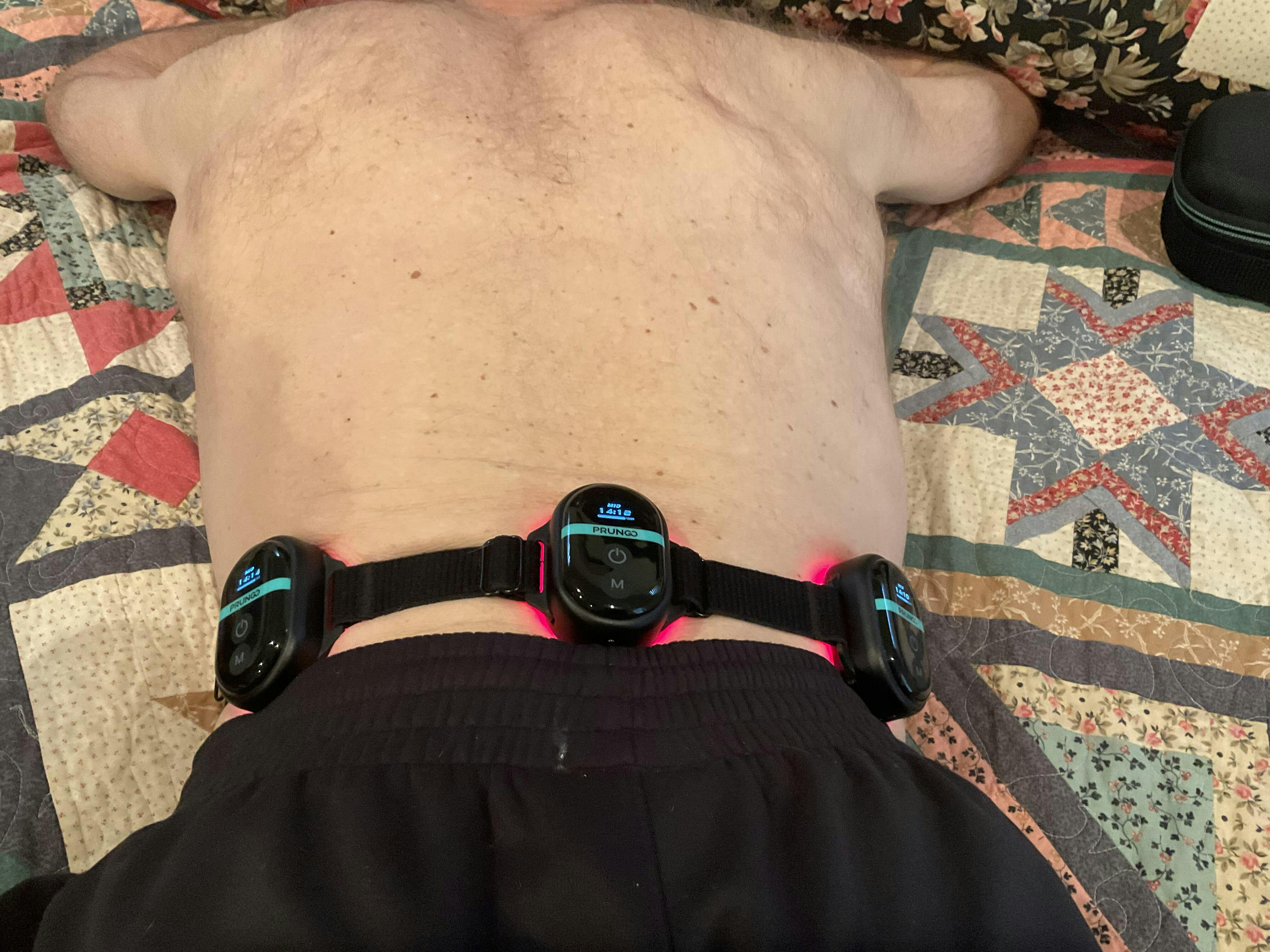
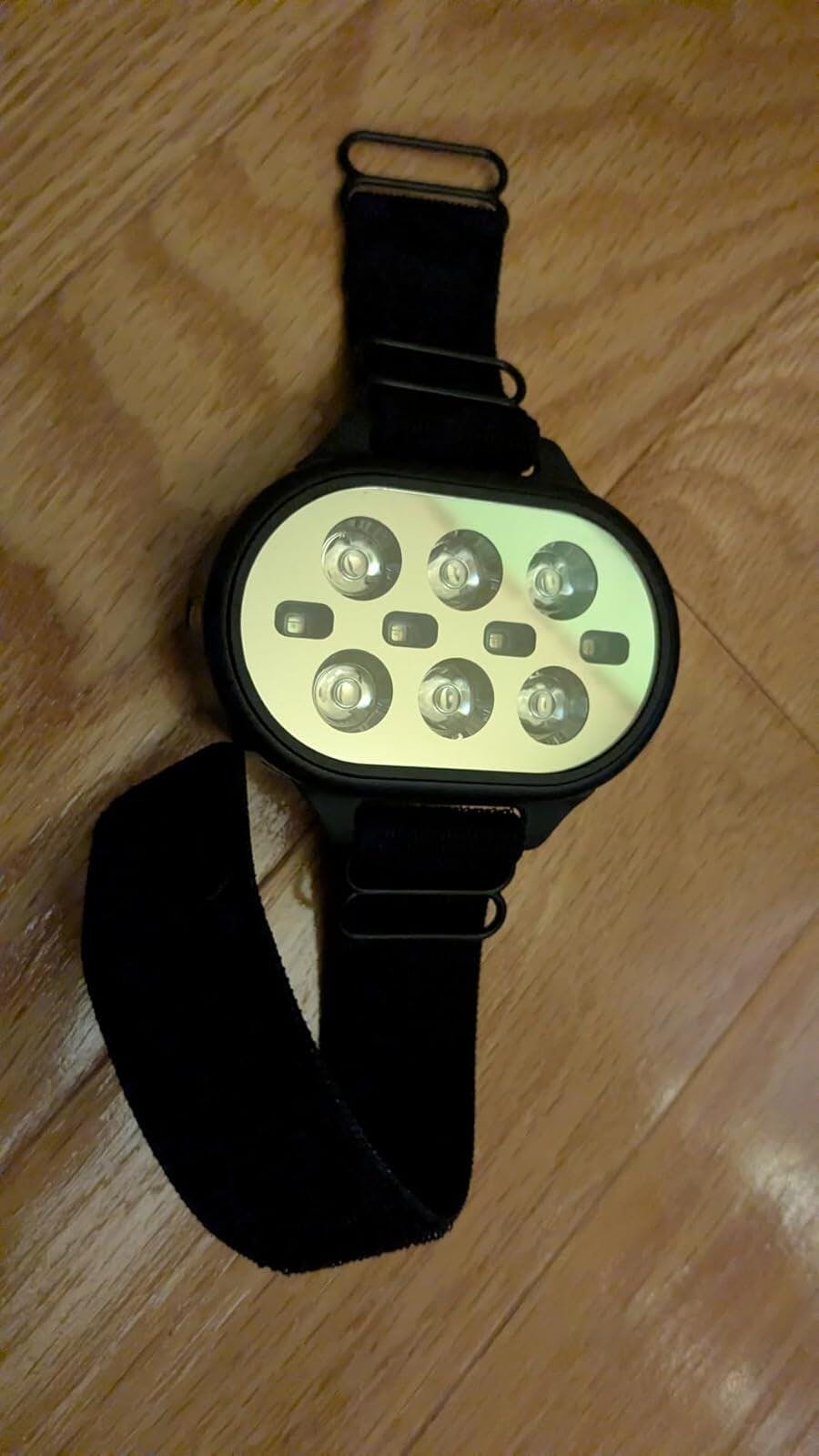
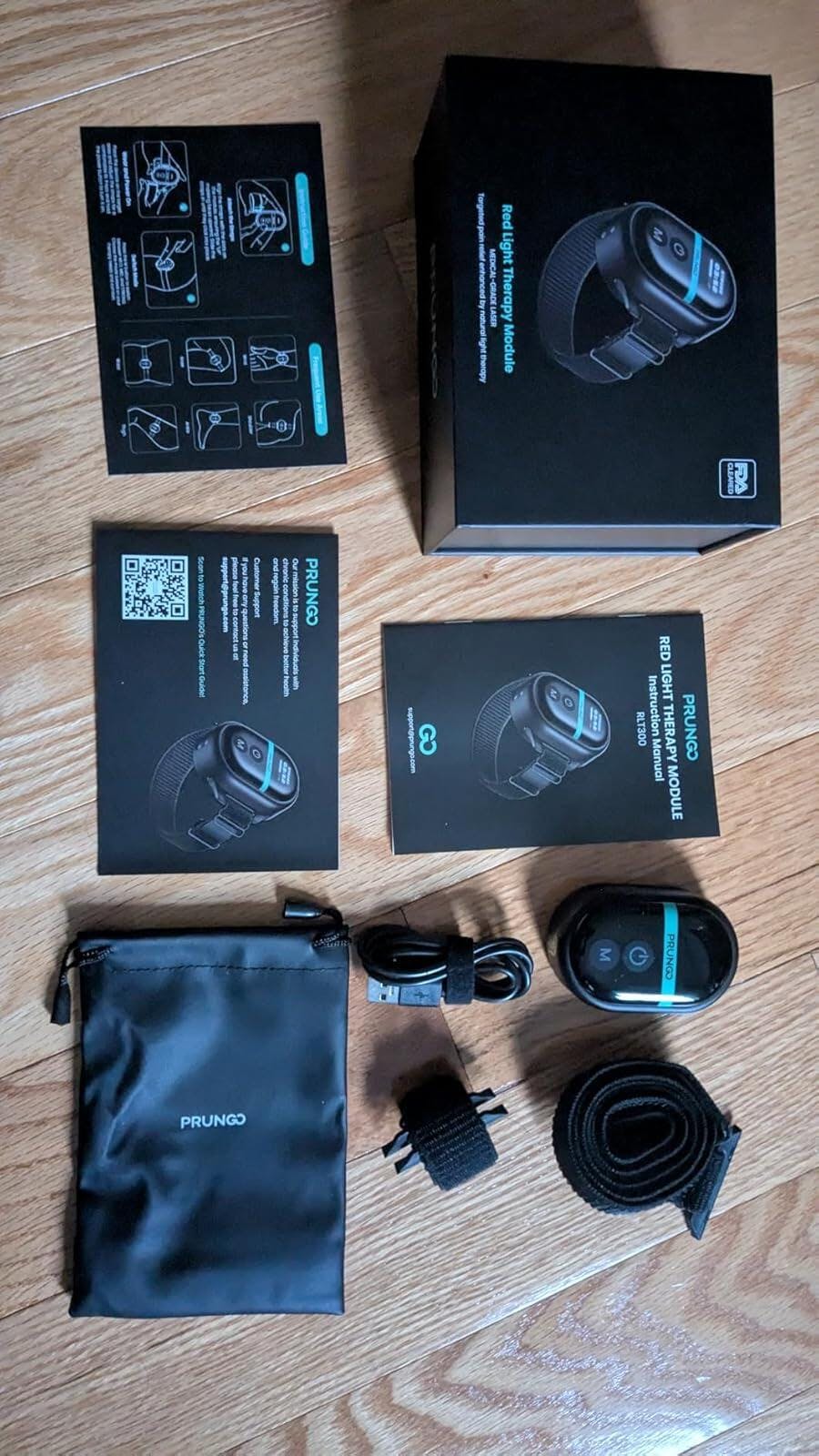
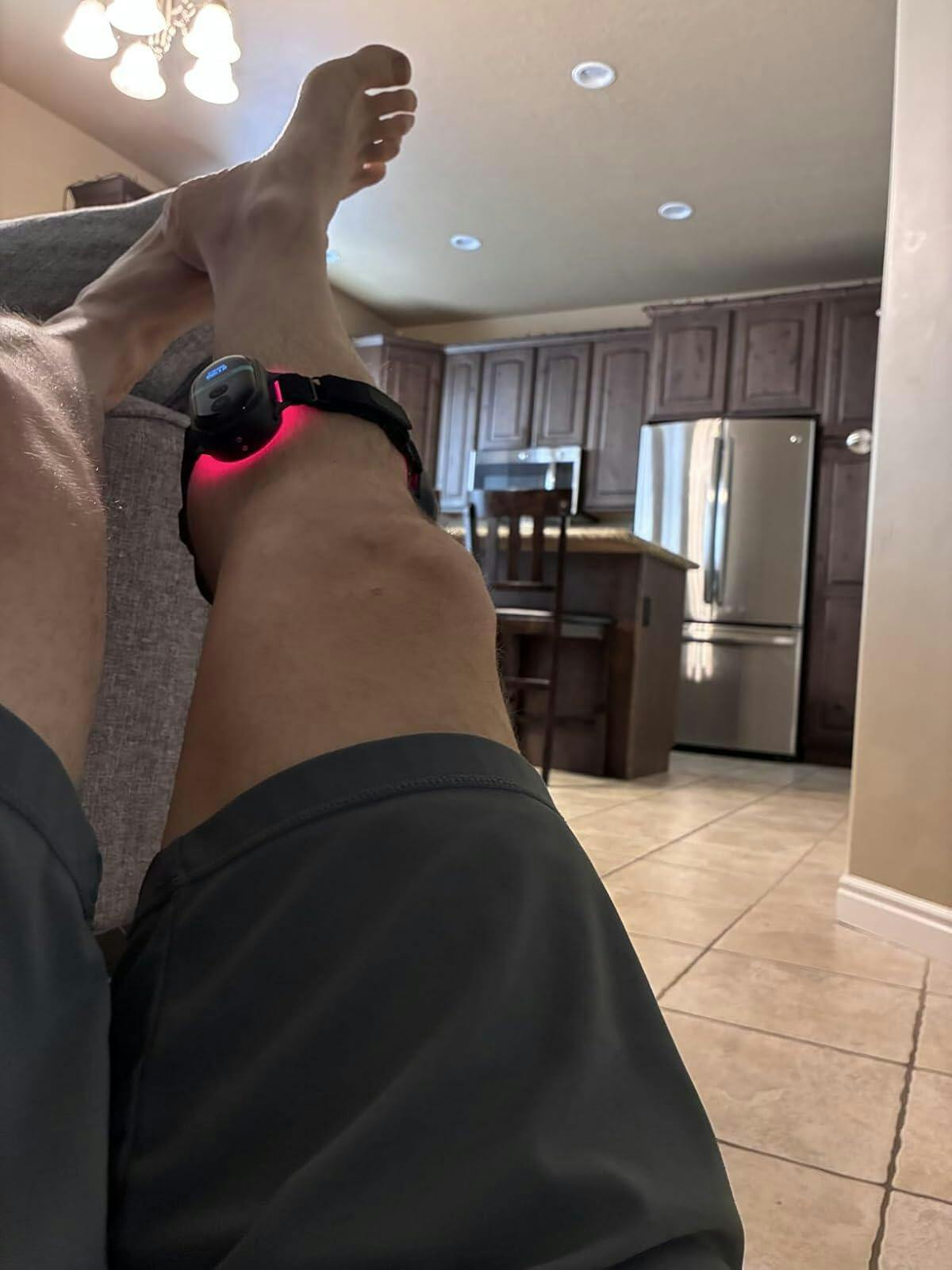
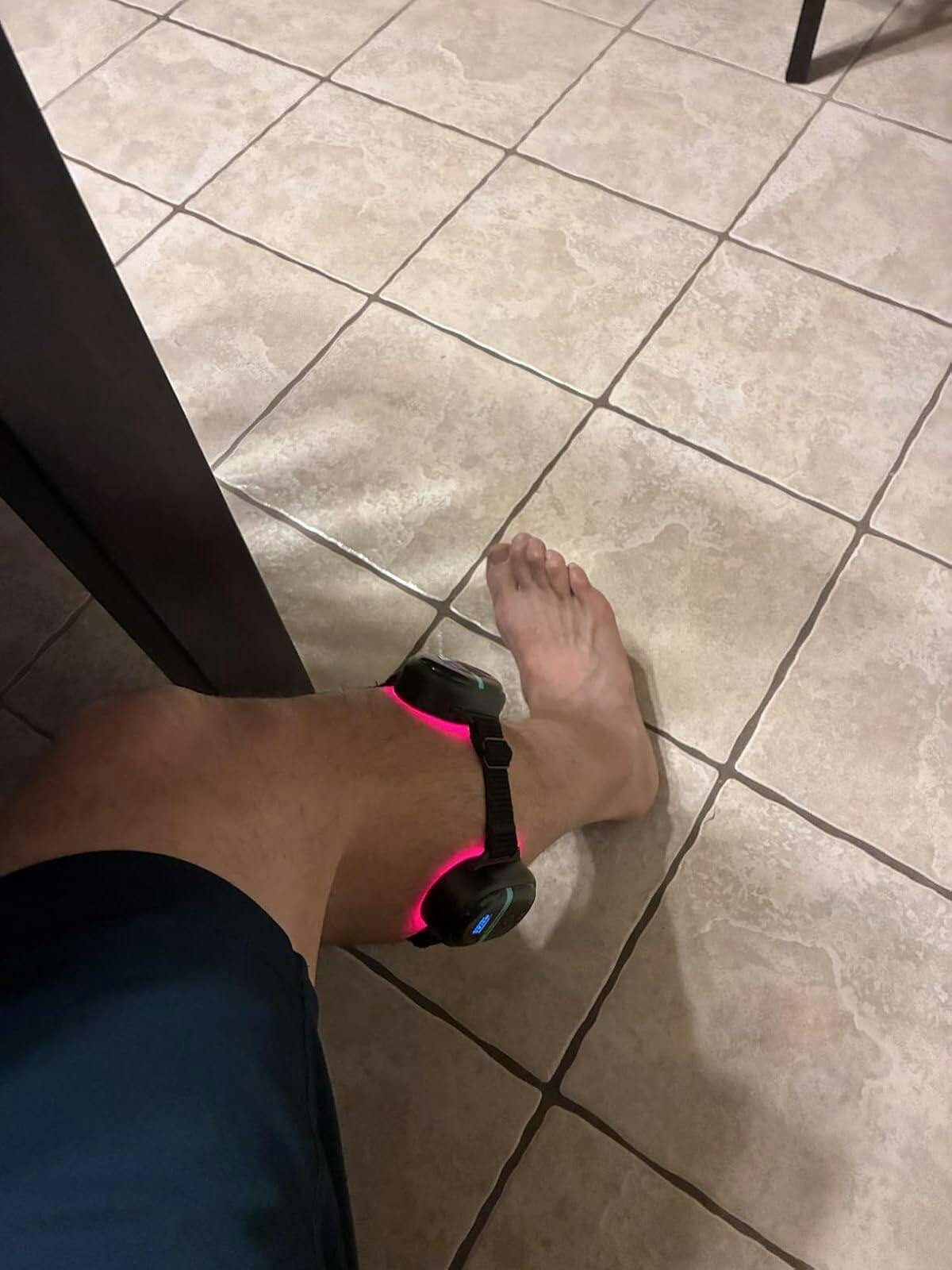
A significant trend in the red light therapy industry is the move towards portable devices. More and more consumers are seeking options that can easily fit into their daily schedules without having to make trips to specialized clinics. Handheld wands and masks, among other portable red light devices, provide the convenience of conducting treatments at home, ultimately saving both time and money. These products are specifically crafted to suit an on-the-go lifestyle, focusing on ease of use and efficacy.
Consumer Preferences in Device Features
Consumers prioritize certain key features when choosing a red light therapy device. The foremost consideration is efficacy, as users look for devices that have scientifically proven red light wavelengths that effectively aid in tissue repair and alleviate pain. Safety features, including timers and eye protection, are also essential to ensure that the devices can be used safely without professional supervision. Lastly, usability and portability play a significant role, with lightweight designs and battery efficiency being highly preferred to enable convenient usage of the device at any time and any place.
Expanding Applications of Red Light Therapy
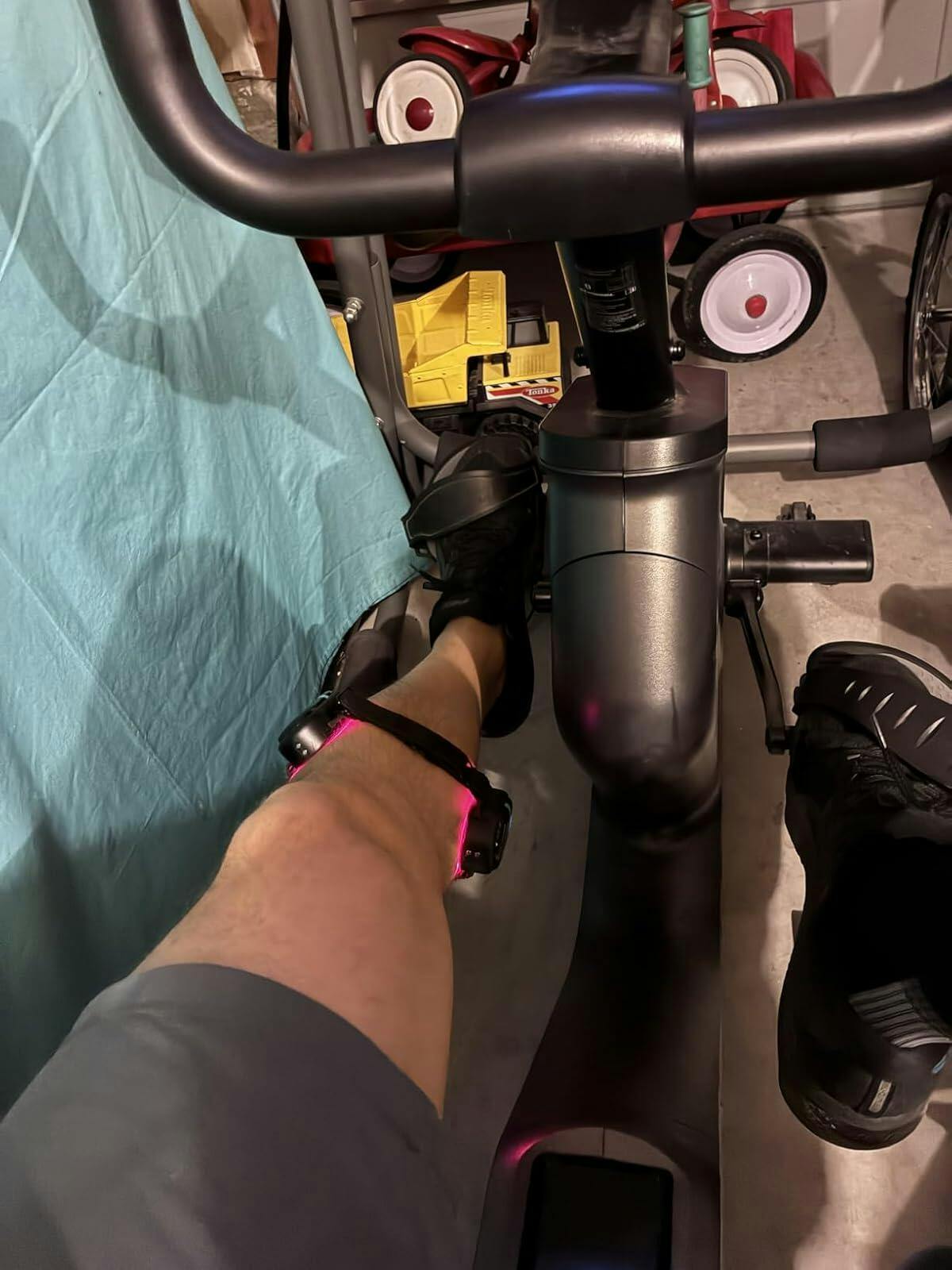
Red light therapy is being utilized in various fields beyond just skin care and pain management. New research indicates promising advantages in mental health, with red light being linked to mood enhancement and alleviation of depression symptoms. Additionally, athletes are turning to red light therapy in sports and fitness to boost recovery and performance by enhancing cellular function and reducing inflammation.
Consumer Education and Awareness
With the market growing, the significance of consumer education is on the rise. Manufacturers and healthcare providers are stepping up their initiatives to inform potential users about the advantages and correct application of red light therapy. This involves providing comprehensive user guides, informative videos, and engaging webinars to simplify the technology for newcomers, ultimately cultivating a well-informed consumer community.
Market Insights and Future Trends
Looking ahead, the red light therapy market is set to continue its growth trajectory. Innovations in LED technology and the integration of IoT for personalized therapy sessions are expected to be key drivers of this market. Moreover, with the rise in telemedicine, there is potential for red light therapy applications to be more accessible through remote guidance and monitoring, further boosting the market’s expansion.
Conclusion
The red light therapy market is at an exciting juncture, with technological advancements and a growing body of research supporting its varied benefits. As consumer preferences lean increasingly towards convenient, safe, and effective health solutions, red light therapy devices are expected to become a staple in wellness routines. By staying informed about these trends and preferences, consumers and industry players can make better decisions that enhance health outcomes and drive continued innovation in this promising field.
Share:
Industry Collaboration in Red Light Therapy: Driving Innovation and Market Growth