



Red light therapy, also known as low-level laser therapy (LLLT) or photobiomodulation, is a non-invasive therapeutic technique that uses red or near-infrared light to deliver low-energy light waves to the body's tissues. This therapy is believed to stimulate various biological processes at the cellular level, resulting in potential health and cosmetic benefits.
Work mechanism of red light therapy
Mitochondrial Activation
The key to red light therapy's effectiveness lies in its ability to stimulate cellular activity, primarily within the mitochondria, which are the energy-producing powerhouses of cells. The targeted wavelengths of red (around 630-660 nanometers) and near-infrared light (around 810-850 nanometers) are absorbed by chromophores in the mitochondria, primarily cytochrome c oxidase. This absorption activates various cellular processes.
Enhanced ATP Production
The absorbed light energy increases the production of adenosine triphosphate (ATP), the primary source of cellular energy. ATP is crucial for numerous cellular functions, such as metabolism, repair, and growth. The boost in ATP production helps cells perform their tasks more efficiently.
The heightened ATP production and other cellular responses induced by red light therapy include:
Collagen Production: Increased collagen synthesis, contributing to improved skin health and a reduction in the appearance of fine lines and wrinkles.
Anti-Inflammatory Effects: Reduced inflammation, which can help alleviate pain and support the body's natural healing processes.
Enhanced Blood Flow: Improved microcirculation and oxygen delivery to tissues, aiding in wound healing and tissue repair.
Cellular Repair and Growth: Altered gene expression that encourages cellular repair and growth.
What is red light therapy used for
The beneficial outcomes of red light therapy have led to its use in various clinical and cosmetic applications, such as skin rejuvenation, pain relief, wound healing, and muscle recovery. It is also being explored in the treatment of conditions like arthritis, tissue injuries, and neurological disorders. Considering it’s fundamental concept of stimulating cellular processes to achieve therapeutic benefits, there are some situations where people can use red light therapy.
Acne Treatment: Red light therapy can help reduce acne breakouts and inflammation. It targets the sebaceous glands and promotes skin healing.
Wound Healing: It is employed to speed up the healing process of wounds, surgical incisions, and scars. Red light therapy may reduce scarring and improve the overall appearance of the skin.
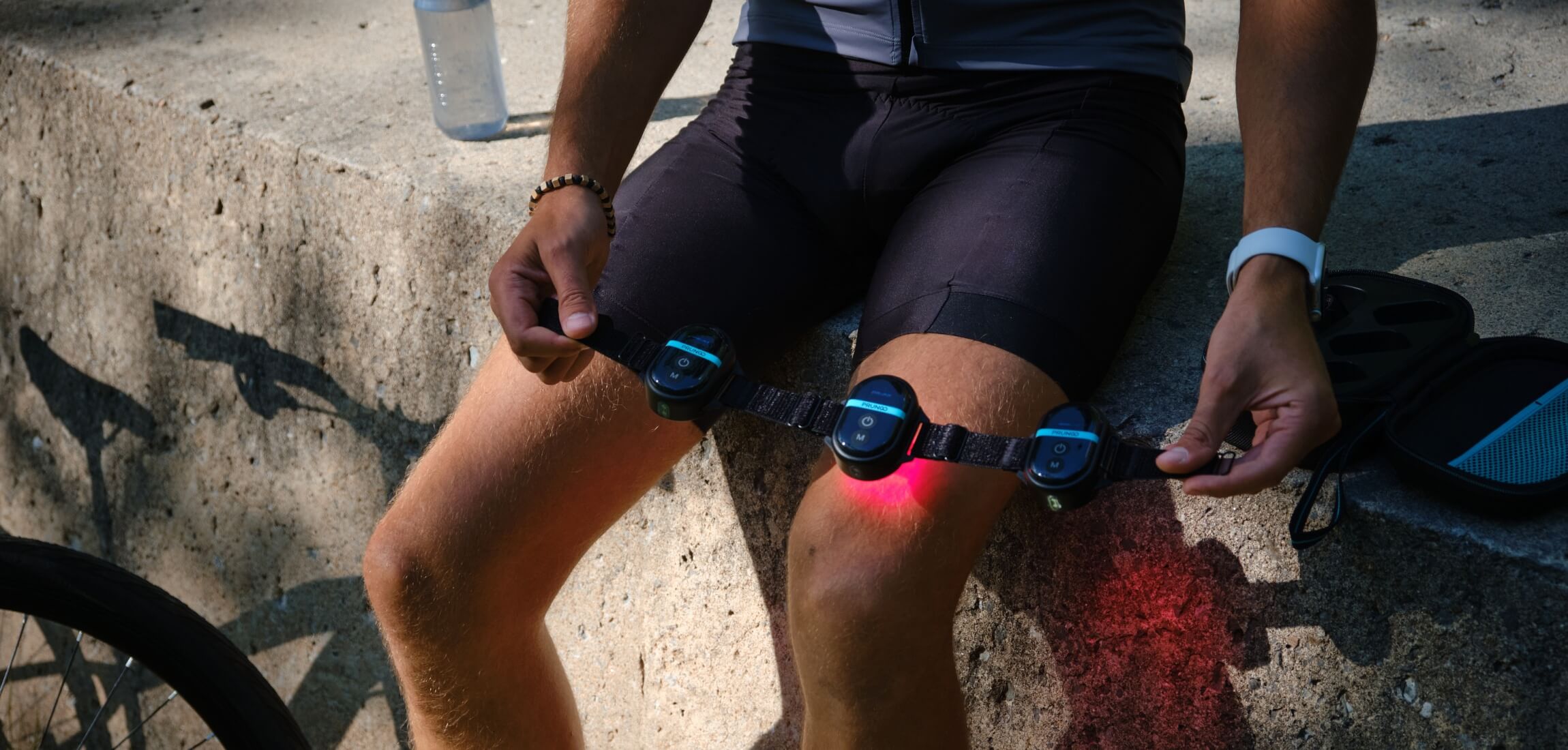
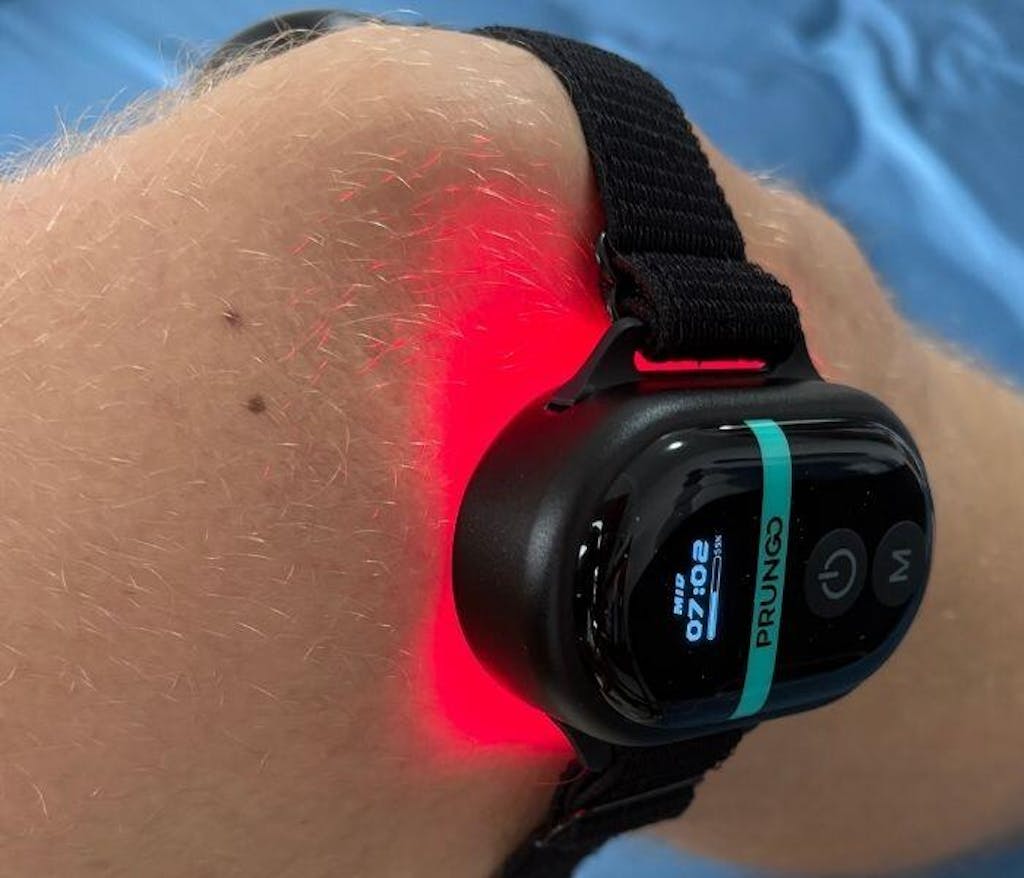
Pain Relief: Red light therapy is applied for pain management in conditions such as arthritis, muscle soreness, and joint pain. It may help reduce pain and inflammation.
Muscle Recovery: Athletes and individuals use red light therapy to speed up muscle recovery after workouts or injuries. It can reduce muscle soreness and promote faster healing.
Psoriasis and Eczema: Red light therapy is employed to reduce the symptoms of skin conditions like psoriasis and eczema by reducing inflammation and itching.
Cellulite Reduction: Red light therapy is used to improve skin texture and reduce the appearance of cellulite by promoting collagen production.
Post-Surgery Healing: After surgical procedures, red light therapy can aid in the healing process, reduce pain and inflammation, and improve the appearance of surgical scars.
Neurological Conditions: It is being investigated for potential benefits in conditions like traumatic brain injury, Alzheimer's disease, and other neurodegenerative disorders.
Dental Health: Red light therapy has applications in dentistry for promoting oral health and treating conditions like gum disease.
Seasonal Affective Disorder (SAD): In some cases, red light therapy may be used to alleviate symptoms of seasonal affective disorder, a type of depression associated with changes in seasons.
Pain Management in Cancer Patients: It can help manage pain and discomfort in cancer patients, especially those experiencing chemotherapy-induced peripheral neuropathy.
Sports Injuries: Athletes and sports medicine professionals may use red light therapy to address sports-related injuries, accelerate healing, and reduce inflammation.
Skin Rejuvenation: Red light therapy is used to improve the appearance and health of the skin. It can reduce the signs of aging, such as fine lines and wrinkles, and promote a more youthful complexion.
Is red light therapy safe
Red light therapy is generally considered safe when used as directed and with appropriate devices. It is non-invasive, does not involve the use of harmful ionizing radiation, and has few known side effects. However, like any medical or therapeutic treatment, there are some important considerations to keep in mind:
Device Quality: It's crucial to use high-quality red light therapy devices that are designed for the intended purpose and meet safety standards. Look for FDA-cleared or approved devices when available, as these have undergone regulatory scrutiny for safety and efficacy.
Eye Protection: Depending on the type of device and its wavelength, it may be necessary to use protective eyewear to shield your eyes from potentially harmful light exposure. Always follow the manufacturer's recommendations regarding eye protection.
Avoiding Overexposure: While red light therapy is generally safe, overusing or prolonged exposure to red or near-infrared light could potentially cause adverse effects, such as skin irritation or exacerbation of existing skin conditions. Follow the recommended treatment duration and frequency provided by the manufacturer or your healthcare professional.
Consultation: Before starting red light therapy, especially if you have underlying medical conditions, are taking medications, or are pregnant, it's advisable to consult with a healthcare professional. They can provide guidance on the appropriateness of red light therapy for your specific situation.
Photosensitivity: Some medications and skin conditions can increase photosensitivity, making the skin more vulnerable to the effects of light. It's essential to be aware of any photosensitivity concerns and consult with a healthcare provider if you have them.
Skin Type: Red light therapy is generally well-tolerated by different skin types. However, some individuals with very sensitive or darkly pigmented skin may need to exercise caution and adjust treatment parameters accordingly.
Consistency: Consistency in treatment is often important for achieving desired results. Skipping or overusing sessions may affect the effectiveness of red light therapy.
It's important to note that while red light therapy has demonstrated promising results in numerous studies, the specific mechanisms and optimal treatment parameters may vary depending on the application and condition being treated.
Consulting with a healthcare professional or specialist is advisable to determine the most suitable red light therapy protocol for individual needs.
Share:
Red Light Therapy: Pros And Cons
What’s the Best Red Light Therapy Device?